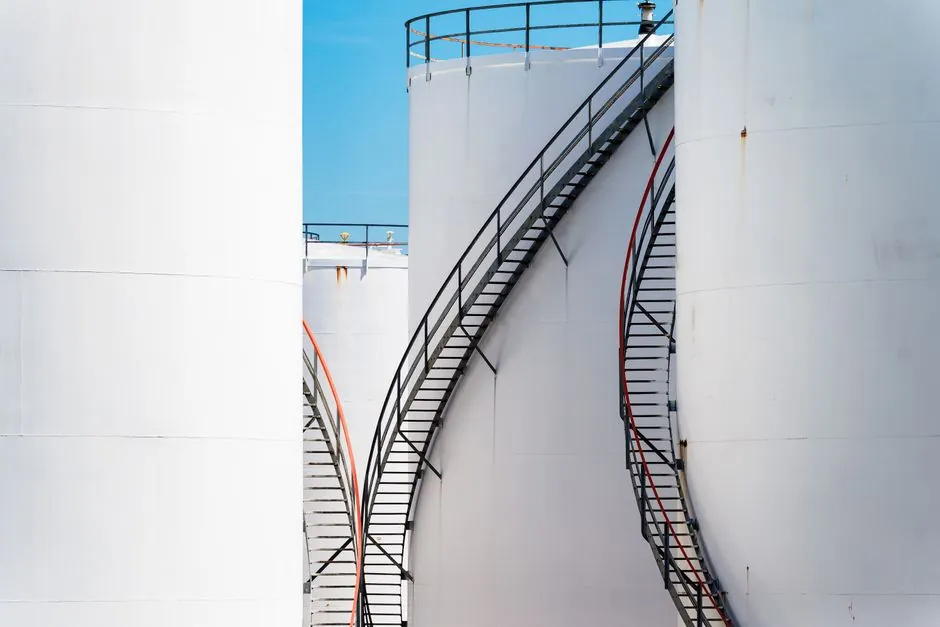
Quarrying operations moving acids, flocculants, and emulsions should specify ISO 20ft tank containers in the 21,000 to 26,000 L capacity band, with a minimum 6.00 BAR test pressure, 316L stainless vessels, and either PTFE or rubber lining matched to cargo corrosivity [S1][S2].
Standard envelope is 20 ft x 8 ft x 8.6 ft (6.06 m x 2.44 m x 2.59 m) on a carbon-steel frame, MAWP typically 4.00 BAR, max cargo temperature 120 degrees C, and gross weight capped at 36,000 kg with tare around 3,650 to 4,060 kg [S1]. Beyond the standard frame, swap bodies push capacity to 29,000 to 35,000 L, but at the cost of intermodal compatibility that quarrying dispatch on mixed road-rail often requires [S1]. For a primer on the asset class itself, the tank container reference page covers the full family; the industrial valve page is the place to look for the bottom-discharge and pressure-relief trim that quarrying duty hammers hardest.
Cargo Classification and T-Code Selection for Quarrying Reagents
Quarrying reagent streams split cleanly into three regulatory buckets, and the T-Code must be selected against the IMDG class, not the marketing name [S2]. T11 covers non-hazardous mining chemicals and flocculants, T14 handles hazardous acids such as hydrochloric acid and zinc chloride, T50 is reserved for LPG and ammonia used in quarry-shot-hole and refrigeration service, and T75 covers LNG-class cryogenic gases [S1]. For solid and high-viscosity reagents, a T-code with an integrated steam or electric heating jacket prevents solidification in winter haulage; baffles are specified where surging liquids on rough quarry tracks are a documented handling risk [S2].
Filling limits must sit between 80% and 95% of nominal capacity, with effective payload calculated from cargo density against the 36,000 kg gross cap to avoid axle-weight violations on haul trucks exiting the pit [S2]. Vapor pressure sets the relief-valve specification, and density dictates whether a 21,000 L vessel actually carries a 32,350 kg payload or underfills dramatically, a frequent procurement miss when buyers specify by volume alone [S1][S2].
Material and Lining Comparison: 316L, PTFE, and Rubber
Standard 316L stainless steel is the default vessel material for the chemical tanker fleet because of its resistance to chloride pitting and its weldability under ASME and ISO rules [S2][S3]. For highly corrosive reagents such as hydrochloric acid, hydrofluoric acid blends, and zinc chloride, a PTFE or rubber lining on a 316L shell is the established upgrade; rubber-lined ISO tanks are specifically paired with acid-based chemicals, while PTFE lining is preferred where temperature swings exceed rubber's working envelope [S1][S2].
Food-grade and pharmaceutical-grade containers require an electropolished interior at Ra at or below 0.8 micrometres; quarrying rarely needs this surface finish, but buyers should still verify the data plate and avoid mis-applying a food-grade price premium to a non-sanitary use case [S2]. Frames are high-tensile carbon steel, free from deformation at handover, and gaskets must be intact on the bottom valve cluster [S2]. A side-by-side materials view: 316L bare suits neutral-to-mildly-alkaline reagents at the lowest capex; PTFE-lined 316L handles strong acids and elevated temperatures at roughly 1.5 to 2 times the unit cost; rubber-lined shells are the budget pick for ambient-temperature acids but cap at lower working temperatures than PTFE [S1][S2].
Compliance Stack: IMDG, ADR, RID, TPED, and Class Society Marks
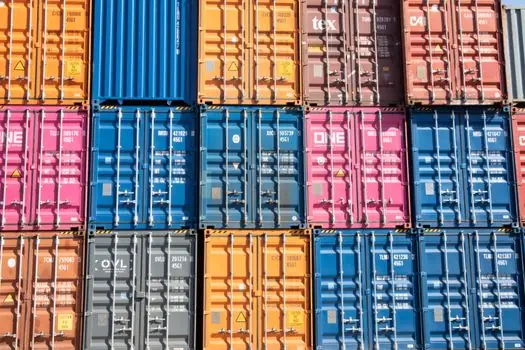
Any cross-border quarrying shipment must carry IMDG Code compliance, UN markings, ADR labels for European road legs, and RID plates for European rail transfer [S2][S3]. EU-bound cargo almost always requires TPED certification with the pi mark, and a class society certificate from DNV, ABS, or CCS validates structural integrity and the hydrostatic pressure test [S2]. US-domestic dispatch falls under US Department of Transportation standards, and the International Convention for Safe Containers (CSC) plate is mandatory wherever the unit moves in intermodal service [S3].
The two inspection gates that catch quarrying fleets off-guard are the intermediate inspection at 2.5 years and the periodic hydrostatic test at 5 years; missing either window triggers port rejection regardless of the vessel's apparent condition [S2]. Refurbished and pre-owned units are a legitimate budget route for non-hazardous liquids, but the most recent hydrostatic test date and the internal cleaning certificate must be on file before handover, especially when switching to food-grade or high-purity service [S2][S3].
Procurement Path: New Build, Lease, or Refurbished
New tank containers eliminate unknown service history, hidden damage, and contamination from prior cargo, and they ship with the latest safety valves, pressure-relief systems, and insulation or heating options already certified [S3]. For steady quarrying volumes on fixed haul routes, purchase wins on asset value and schedule control; for seasonal or project-driven demand, leasing outsources recertification, insurance, and maintenance to the lessor [S2]. A new 20ft ISO tank in standard 316L trim typically lands in the 21,000 to 26,000 L band; swap tanks extend to 35,000 L, and custom sizes are available for specialist quarrying reagents [S3].
For heavy civil and roadbuilding applications adjacent to quarrying, the related 40ft asphalt tank container spec map covers the higher-temperature heated-vessel envelope that bitumen and emulsified asphalt demand. The same procurement logic (pressure class, lining chemistry, inspection cadence) applies, but the working-temperature window and insulation mass scale up significantly. Buyers porting a fleet from a road-construction base into mineral-processing service should revalidate the T-code rather than assume the asphalt T-code transfers cleanly.
Sizing, Valve Trim, and Commissioning Checks
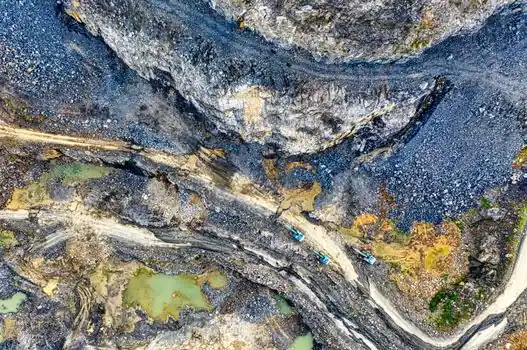
Standard ISO tanks carry 21,000 to 27,000 L within the standard frame, with 32,100 to 32,350 kg payload against the 36,000 kg gross cap, and tare weights clustering between 3,650 and 4,060 kg depending on capacity and trim [S1]. Working pressure sits at 4.00 BAR and test pressure at 6.00 BAR across the four standard sizes, which gives quarrying operators consistent relief-valve sizing regardless of which litre step they procure [S1]. Bottom-discharge and pressure-relief valve brand selection matters: Fort Vale and Perolo are the OEM-trim names most quarries spec, and the data plate must record capacity, MAWP, and tare before acceptance [S2].
For flow measurement on fill and discharge lines, the flow meter reference page covers the Coriolis and mag-meter options that pair cleanly with tank-container custody transfer. The IBC tote family, covered in the IBC tank page, is the right sub-1,000 L alternative for low-volume reagent dosing inside the plant, not for intermodal haulage, and that is a procurement boundary worth flagging early. Physical inspection at commissioning should confirm weld quality, frame straightness, gasket integrity, and a valid cleaning certificate, especially on second-hand units transitioning into acid service [S2].
Where Tank Containers Are the Wrong Fit for Quarrying
Tank containers are not the right tool for dry mineral concentrates, crushed aggregate, or stone dust, where a silo tank or a standard dry-bulk container handles the cargo at lower cost and with simpler pressure-vessel compliance [S1]. High-purity pharmaceutical or food-grade service at a quarry-adjacent processing site should not be specified on a fleet that also carries hydrochloric acid; the cleaning overhead and cross-contamination risk erase any capex saving from sharing a vessel pool [S2][S3]. Cryogenic LNG at the T75 level demands a separate vessel class, driver training, and pressure-control regime, and should not be folded into a generic quarrying tank-container procurement [S1].
Two signals worth tracking: revisions to IMDG Class assignments for mining chemicals, which historically shift every two to four years and can move a reagent between T11 and T14 overnight, and class society guidance on in-service inspection of lined vessels, where ultrasonic lining-thickness verification is replacing older visual-only methods. Either change ripples directly into which T-Code a quarry can lawfully dispatch on a given route.