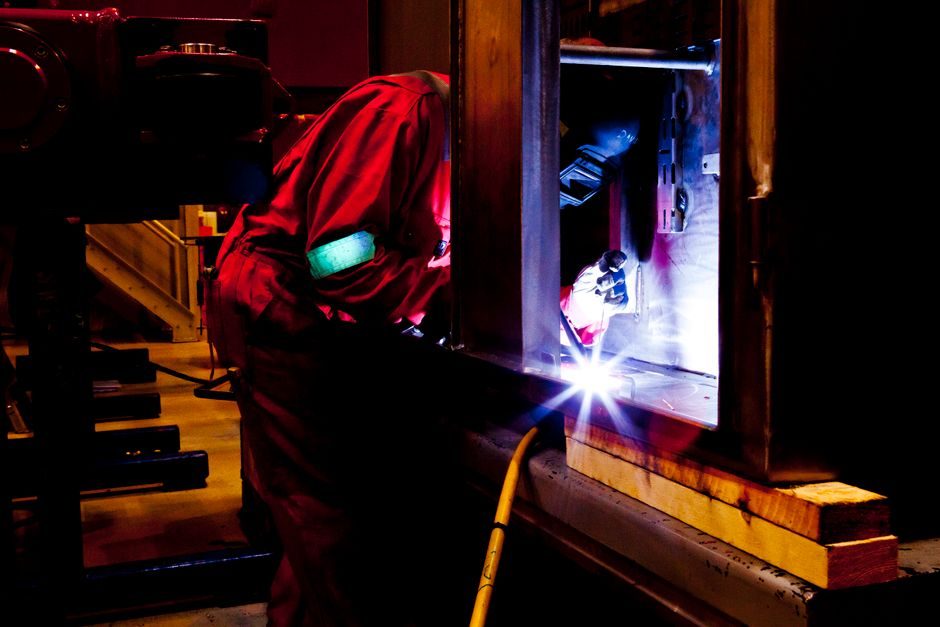
A correctly specified TIG (Tungsten Inert Gas) machine is defined by four interacting parameters — current type (DC, AC/DC or pulsed), maximum output in amperes, duty cycle at that output, and arc-starting method (HF / lift-TIG / scratch) — and each one gates which base metal and joint geometry the unit can actually weld.
For a process engineer sizing equipment, the first decision is whether the work is thin-gauge stainless/aluminum (favoring AC output with adjustable balance and frequency), heavy carbon-steel plate (favoring high DC amperage, 200 A and above), or mixed-fabrication shops that need a synergic MIG/TIG/stick multi-process inverter such as the TELWIN ELECTROMIG 550 SYNERGIC, which lists MIG, TIG and MAG/arc capability on the same chassis [S1].
Process Mode and Current Type: DC vs AC/DC vs Pulsed
DC-only TIG is the cost-effective baseline for mild steel, stainless steel and copper, where the arc stays on a negatively-charged electrode; AC/DC adds the ability to clean and penetrate the refractory aluminum-oxide layer on aluminum and magnesium workpieces, which is the reason most fabrication shops handling 1–6 mm aluminum sheet specify an AC-balanced unit [S2]. Pulsed TIG layers a low background current under a peak current, concentrating heat input and reducing warpage on stainless; pulsed machines therefore dominate thin-wall tube, aerospace and pharmaceutical-piping work where heat-affected zone control is non-negotiable [S2].
Output Range, Duty Cycle and Power Input
Three-phase industrial multi-process units in the 350–550 A class are commonly listed with duty cycles in the 40–60 % envelope at their peak current, which is why TELWIN's ELECTROMIG 550 SYNERGIC platform is positioned for shop-floor rather than intermittent-repair work [S1]. Single-phase 200–250 V hobbyist inverters typically top out at 200 A with 25–35 % duty, and that gap is the single most common spec mismatch flagged on purchasing specifications. For a deeper look at how current, duty and process interact when comparing TIG against stick and MIG, the Arc Welding Machine 2026 buying guide walks through the same gate logic.
Arc Starting, Shielding Gas and Tungsten Preparation
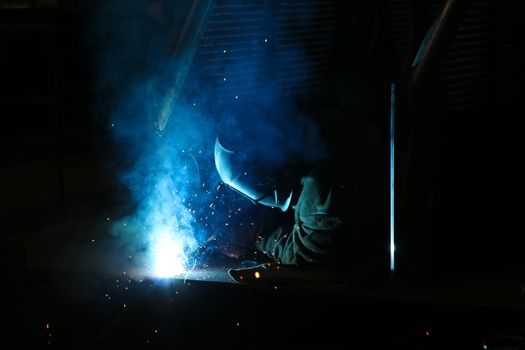
Arc-starting method is a make-or-break safety gate: high-frequency (HF) start delivers a non-contact arc strike ideal for stainless and titanium where contact contamination cannot be tolerated, lift-TIG uses a low-amperage contact start that eliminates HF electrical noise — important near CNC controls or in EMC-sensitive labs — and scratch start is the legacy MMA-style strike rarely specced for new equipment [S2]. Shielding gas selection drives both weld profile and machine gas-purge sequencing: pure argon (99.99 %) is the default for steel, stainless and aluminum; argon-helium mixes (typically 75/25) raise arc energy for thick aluminum; argon-hydrogen (2–5 % H₂) accelerates travel on stainless but must never contact titanium. Post-flow timers (typically 5–30 s after arc-off) protect the tungsten and the cooling bead from oxidation, and a machine without an adjustable post-flow is automatically disqualified for stainless or titanium work [S2].
Material Coverage: Steel, Stainless, Aluminum, Exotic Alloys
The base-metal decision matrix is straightforward: DC machines cover mild steel, stainless, copper, brass and titanium with argon shielding; AC-capable machines add aluminum and magnesium; pulsed AC/DC extends into thin-wall stainless tube and aerospace alloys where heat input must stay below a defined J/mm threshold. Inverter multi-process platforms in the 200–550 A range now routinely cover the full material matrix from 0.5 mm stainless sheet to 6 mm aluminum plate on a single unit, which is why Chinese-volume TIG/MIG/MMA multi-function inverters have become the default entry on Made-in-China and B2B catalogs at this spec point [S3]. For shops running exotic or repair work, the deciding factor shifts from output to waveform control — adjustable AC frequency, AC balance, pre-flow, post-flow and pulse parameters are what separate a hobbyist inverter from a fabricator-grade unit.
Cooling, Foot Pedal, Automation Interface
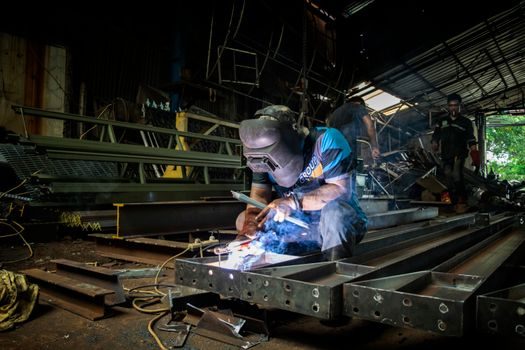
Water-cooled torches (typically rated 300–500 A continuous duty) versus air-cooled torches (typically rated up to 200 A) is the next hardware gate once output climbs above ~180 A, because an air-cooled torch on a 300 A machine will not survive a full shift. Foot-pedal or finger-tip amperage control is the standard human-machine interface for manual TIG and remains a hard requirement on most fabrication shop purchase orders, even as automated and orbital TIG heads increasingly take over the high-volume tube and pharmaceutical-piping work [S2]. For automated cells, look for dedicated trigger leads, 24 V logic I/O, and fieldbus or analog setpoint options; these are the integration points that turn a hand-operated welder into a robotic or CNC-torched station. For further reading on how these hardware gates line up against the broader machine-tool and industrial-motor buying logic, the Three-Phase Asynchronous Motor selection guide lays out the same spec-vs-supplier comparison discipline.
Spec Sheet, Sourcing and Manufacturer Tiers
When comparing Chinese OEM catalogs against European multi-process brands, three spec rows must be read identically: (1) output A at stated duty %, (2) open-circuit voltage and input voltage/phase, (3) supported process list (MMA / TIG DC / TIG AC / pulsed / synergic). Guangzhou Golden Elephant Industrial Group, a Made-in-China-listed TIG welding machine supplier, is one of many Guangdong-based OEMs offering inverters across this envelope for export buyers [S4]. The same comparison also surfaces high-frequency welding equipment built around induction heating rather than arc welding — a different technology family used for tube-mill and seam-welding lines rather than manual or orbital TIG, and not a substitute for the inverter TIG equipment covered here [S5]. The encyclopedia entry on TIG welders gives a broader process overview for spec writing, while the coding machine and cutting machine reference pages cover adjacent fabrication-line equipment that typically sits next to a TIG station on the shop floor.