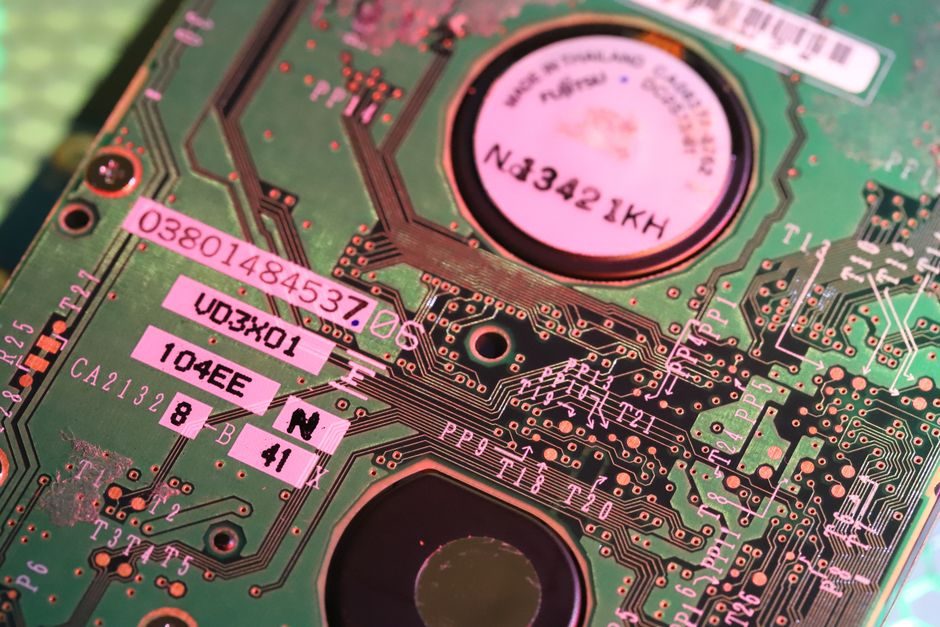
PCBASIC markets itself as a top PCB prototype manufacturer with one-stop intelligent manufacturing covering layout, design and fabrication, while LST (lstpcb.com) positions as a one-stop PCB and PCBA supplier with full SMT lines, programming, testing, and packaging capabilities [S3][S4].
NextPCB operates the dominant process-education channel for the segment, publishing 2026-dated guides on BOM preparation for PCBA and side-by-side reviews of the top 10 free Gerber viewers released in 2026, signalling where design hand-off friction still costs buyers time [S9]. SourceForge's June 2026 PCB design software for Mac ranking remains the go-to reference for schematic-to-layout tool selection in parallel with fab sourcing [S7].
Prototype shops vs one-stop EMS: where the 2026 leaders split
PCB prototype suppliers compete on small-batch layer counts (typically 2–16 layers), 24–72 hour turnarounds, and free DFM review; PCBASIC's "design to delivery" framing targets exactly that quick-turn niche, with stackup choices usually topping out where controlled-impedance and HDI microvia processes begin [S3]. One-stop EMS suppliers like LST bundle PCB fabrication, component programming, functional testing, and packaging/labeling under a single PO — the spec buyer benefits when NPI volumes scale past hand-assembly limits and a contract labor + materials line item is acceptable [S4].
For a buyer comparing the two paths, the decision gate is clear: prototypes under ~50 boards with design churn favor quick-turn fab houses with free DFM; runs above several hundred boards with box-build scope favor the one-stop EMS route. SourceForge's 2026 Mac PCB CAD ranking (Altium Designer, KiCad, EAGLE, DipTrace, etc.) is the upstream gate every project hits before fab quotes are even requested [S7].
Lead-time, layer count, and process signals to interrogate before quoting
Quick-turn prototype fabs in China quote 24-hour build time for 2–4 layer boards in 1.6 mm FR-4 with ENIG finish; standard 4–6 layer runs ship in 3–5 working days, while 8–16 layer multilayer jobs stretch to 7–10 working days when impedance control or via-in-pad is required [S3]. One-stop EMS shops add 5–10 working days for SMT assembly when components are consigned, and 10–20 working days for turnkey BOM sourcing against allocation risk on MCUs, passives, and FPGAs [S4].
Buyers running 2026 NPI should also pin copper weight, surface finish (HASL vs ENIG vs OSP), and minimum hole/trace geometry on the RFQ — the most common prototype-to-production handoff failures come from under-specified 3 mil trace/space and 0.2 mm vias that prototype fabs accept but volume lines reject. For context on copper pricing as a direct material lever, see the copper market 2026 outlook.
Design-to-quote workflow: BOM, Gerbers, and DFM review
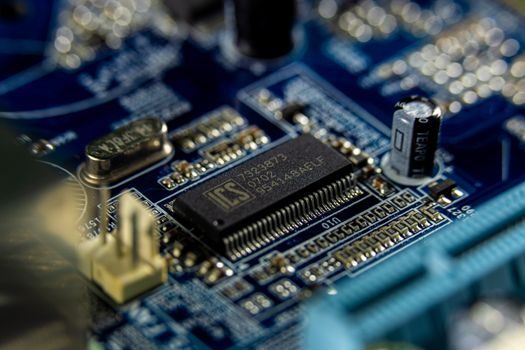
NextPCB's 2026 BOM preparation guide states the assembly house needs reference designators, manufacturer part numbers, quantities, and a clear consigned vs turnkey split before a PCBA quote is binding — missing columns are the single most common cause of quote slippage [S9]. Gerber file viewers reviewed by the same publisher in 2026 (Gerbv, ViewMate, CAM350, EasyEDA viewer) let buyers run their own DFM pass before submission, catching silkscreen-over-pad and copper-to-edge clearance errors that fab DFM would otherwise flag and bounce [S9].
Pairing a free Gerber viewer with a design-rule check against the chosen fab's stated capabilities — typically 3 mil line/space, 0.2 mm drill, and 0.4 mm pitch BGA on prototype lines — collapses the prototype-to-quote loop from days to hours. Buyers also verify UL94V-0 flammability rating, IPC-A-600 acceptance class (2 vs 3), and RoHS/REACH compliance as separate line items on the PO, since one-stop EMS houses treat these as opt-in adders, not defaults [S4].
Decision matrix: fab capability, assembly integration, and tooling
Quick-turn prototype fabs (PCBASIC-class) score highest on layer count flexibility, free DFM, and 24–72 hour delivery, but lowest on full box-build, consigned inventory, and long-term PPAP-grade documentation [S3]. One-stop EMS shops (LST-class) score highest on assembly integration, functional test, and packaging/labeling, with mid-tier layer capability and longer prototype lead times [S4].
Design-only EDA vendors (Altium, KiCad) sit upstream of both, with Altium priced as a perpetual + subscription license in the multi-thousand-USD/year band and KiCad remaining the open-source default for Mac users in the SourceForge 2026 ranking [S7]. A typical 2026 selection matrix therefore routes: KiCad/Altium for schematic + layout → PCBASIC for prototype fab → LST or equivalent EMS for NPI-to-volume assembly, with the same BOM traveling through both stages.
Risk and failure modes buyers underweight
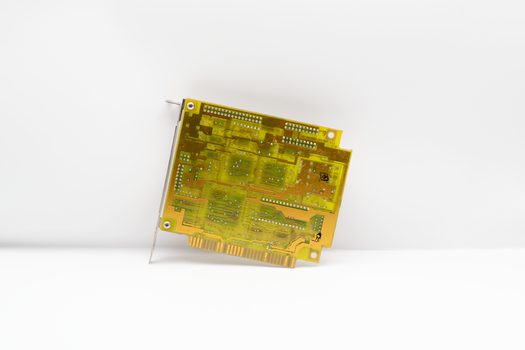
Prototype fabs frequently accept files that volume EMS lines reject — silkscreen-on-pad, missing solder mask dams between BGA pads, and acid-trap acute angles in ground pours are the top three reasons an NPI run ships from the prototype shop and stalls at the EMS line [S9]. Buyers who skip a Gerbv-class DFM review before prototype submission pay the learning cost twice: once in prototype rework, once in EMS re-spin.
One-stop EMS pricing is sensitive to component allocation, especially for legacy microcontrollers and high-value FPGAs that moved into allocation windows in 2025–2026; a quote that ignores allocation risk will balloon when the EMS house substitutes or holds the line. For a structured view of upstream material cost pressure feeding into PCB copper-clad laminate, the cobalt supply chain 2026 map shows how battery-metal demand is reshaping adjacent chemical supply lines that touch PCB chemistry and plating.
Sourcing, standards, and what to put on the PO
A defensible 2026 PCB/PCBA PO pins: IPC-A-600 acceptance class (2 for commercial, 3 for industrial/military), UL94V-0 flammability, RoHS/REACH compliance, ENIG or specified alternate finish, controlled-impedance tolerance (typically ±10% on 50/90/100 Ω lines), and explicit acceptance of the fab's stated minimum trace/space and drill sizes [S3][S4]. For buyers shipping into the US, an explicit DFARS / ITAR clause is required on defense-adjacent runs even when the fab is China-based.
Forthune's 2026 America's Most Innovative Companies ranking is dominated by tech and finance sectors, with Alphabet topping the list for the fourth consecutive year and the 300 listed companies bringing in over $12.5 trillion in trailing-12-month revenue — a useful proxy for the demand side pulling PCB orders [S6]. Track through Q3 2026: prototype fab lead times on 8-layer impedance-controlled jobs (currently 7–10 working days from PCBASIC-class shops) and EMS-house allocation notes on legacy MCUs as the strongest leading indicators of where 2026 sourcing pressure will land [S3][S4].
For component-level specifications, see pressure transmitter, flow meter, and industrial valve.