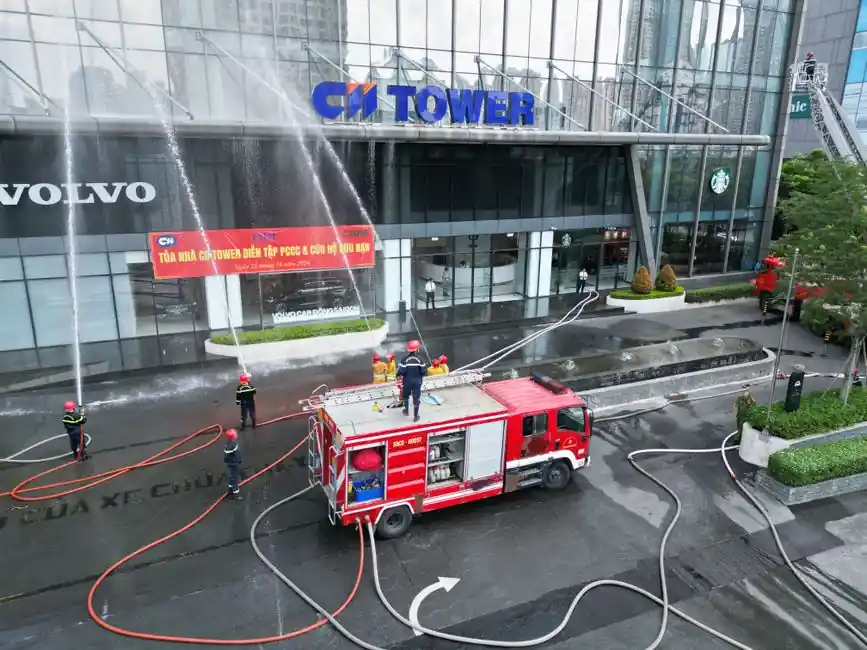
Boom failure and collapse is one of the most recurring truck crane accident signatures, with mobile crane hazard lists citing structural boom failure as a top category [S7].
The five dominant failure modes for truck-mounted cranes are boom collapse, two-blocking, hydraulic system loss, outrigger or ground failure, and rigging/hoist rope failure, all of which map to specific OSHA standards and inspection intervals.
Boom Failure and Collapse
Boom collapse is a top-ranked mobile crane accident type, typically triggered by exceeding rated capacity, sudden shock loads, or fatigued boom sections [S7]. A peer-reviewed analysis of crane root-cause failures identified steel structure and connecting pins as among the most frequent failure points across crane types [S5]. Two-blocking, where the hook block contacts the boom head, is a separate but related boom-damaging event caused by operator inattention or anti-two-block device failure [S6]. Prevention centers on rated-capacity limiters (RCL), anti-two-block switches, pre-shift boom visual inspection, and adherence to OSHA 1910.180 daily inspection requirements for hydraulic leakage and deterioration. For a wider view of which truck crane components fail first and what to stock, see this truck crane spare parts selection guide.
Hydraulic System Failure and Boom Drift
Sudden hydraulic pressure loss can cause a truck crane to drop its load, swing the boom uncontrollably, or tip, even when OEM load limits are respected [S3]. Gearbox, hoist, and brake wear are commonly reported crane component failures, with regular lubrication of wire ropes, plain bearings, and roller bearings specified as the primary prevention [S2]. OSHA 1926.1412 requires a qualified person to inspect any crane modification affecting load-sustaining structural or braking components before return to service. Mechanically locked hydraulic actuators (such as positive locking devices with up to four million pounds of load-holding capacity) can hold position indefinitely if hydraulic pressure is lost, eliminating thermal creep in the boom cylinder [S3].
Outrigger, Ground, and Tip-Over Failure
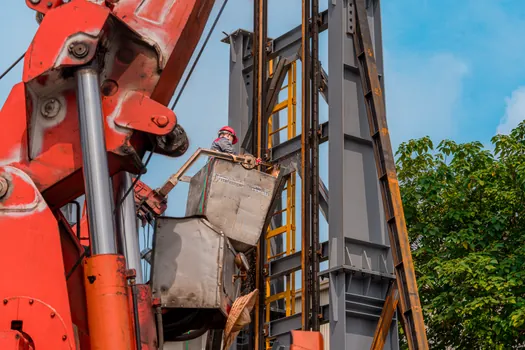
Truck crane tip-overs trace directly to outrigger misuse or soft ground, a hazard category that OSHA 1926.1402 addresses by requiring firm, drained, and graded ground plus blocking, cribbing, or mats [S3]. Overloading combined with outrigger failure is one of the most cited common crane hazards in industry safety analyses [S6]. A gantry-style load path analysis is instructive here: lateral leg loading from a swinging load, rather than axial compression, is what actually breaks a crane leg, and the same logic applies to truck crane outrigger beams under side-pull [S1]. The fix is the same in both cases: stay well under the rated limit, spread the load, and never drag the crane sideways while loaded. Daily checks of outrigger pads, hydraulic cylinders, and pin engagement are required under 29 CFR 1910.180.
Rigging, Hoist Rope, and Chain Failure
Hoist ropes, chains, and chain hoists fail from five named mechanisms: excessive loading, quick loading (shock), poor sling design, abrasion, and corrosion [S2]. Rigging failure on a truck crane typically results in a dropped load and a whip-back hazard to nearby workers and equipment [S4]. OSHA-mandated inspections of slings and hoist ropes, combined with documented operator training under 1926.1427, reduce this category. Lubrication intervals on wire rope are not optional: under-lubrication can push a rope to failure in a matter of weeks of normal service [S2]. Reject criteria include broken wires, diameter reduction, kinking, and heat damage, all standard across OSHA and ASME B30.9 sling rules.
Electrical Faults and Operator Error
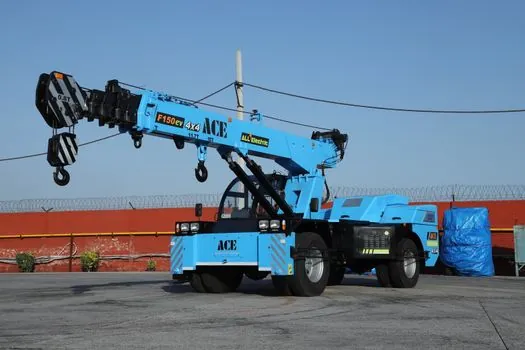
Electrical faults, including welded contact sticking and electronic component wear, are listed among the most common issues across all crane types, including truck cranes, and they demand scheduled inspection rather than reactive replacement [S2]. Operator error compounds with power-line contact: mobile crane route planning must clear overhead lines because boom-to-line contact is a leading electrocution signature [S4]. OSHA fines for crane violations can reach $161,323 per citation, and inspections are the number one OSHA crane violation [S3]. A truck crane is, mechanically, a construction machine subclass, so specifying it requires treating the outrigger pack, boom, and hoist as one coupled system, not three independent components. Operators must be certified under 1926.1427 and signal persons under 1926.1428 [S3].
Comparison: Failure Mode vs. Primary Prevention
Truck crane failure modes are not equally preventable: boom collapse responds to RCL and anti-two-block devices, hydraulic drift to mechanical lock valves and pressure monitoring, outrigger failure to ground pressure calculation and mat sizing, rigging failure to inspection and lubrication, and electrical faults to scheduled component replacement. OSHA 1910.180 governs truck cranes specifically with daily hydraulic checks, while 1926.1402 covers ground conditions, 1926.1412 covers modifications, 1926.1427 covers operator qualification, and 1926.1428 covers signal person qualification [S3]. A truck crane shares the dump truck chassis platform but is engineered as a lifting device, so its safety stack leans on ASME B30.5 and the OSHA crane standards, not on standard truck maintenance regimes. The most expensive failure mode by total incident count is boom collapse, but the most preventable category is operator error, since training, certification, and pre-lift planning are paper-exercise controls with direct field effect [S4].
Limitations and Engineering Trade-offs
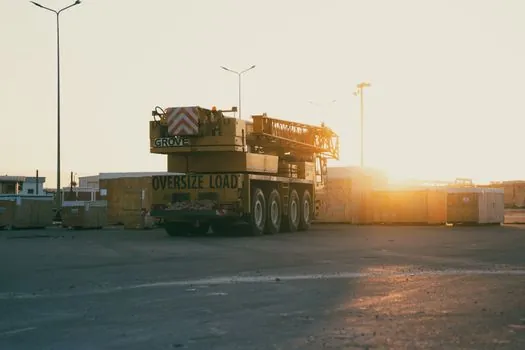
Rated-capacity limiters cut boom-overload risk but do not address two-blocking, ground failure, or rigging failure, so a truck crane safety stack needs all four controls in parallel. Hydraulic lock valves add weight and service complexity in exchange for fail-safe load holding, a trade that suits critical lifts but adds cost for routine work [S3]. Outrigger mats solve soft-ground failure only when correctly sized for soil bearing pressure, undersized mats transfer the failure from the outrigger to the ground. Operator training reduces human error but cannot eliminate it under fatigue, visibility loss, or schedule pressure, the three conditions most often present in post-incident reports [S4].
Sourcing and Standards Reference
The standards stack for truck crane failure prevention runs: 29 CFR 1910.180 (truck crane inspection), 29 CFR 1926.1400 series (cranes and derricks in construction), 1926.1402 (ground conditions), 1926.1412 (modifications), 1926.1427 (operator certification), 1926.1428 (signal person), and ASME B30.5 for mobile and locomotive cranes, with OSHA fines reaching $161,323 per violation [S3]. Truck-mounted crane buyers should confirm the OEM provides an RCL, anti-two-block switch, and load chart covering all outrigger positions before acceptance. A peer-reviewed root-cause study identifies foundation, steel structure, bolts, pins, ropes, and safety limit devices as the six most frequent failure clusters across crane types, which is the same shortlist a truck crane maintenance plan should target [S5].
Trackable next signals include any 2026 revision to the 1926.1400 subpart CC final rule (the OSHA crane standard has had multiple stakeholder comment cycles), updates to ASME B30.5 interpretations, and the next round of OSHA crane violation data expected in late 2026.