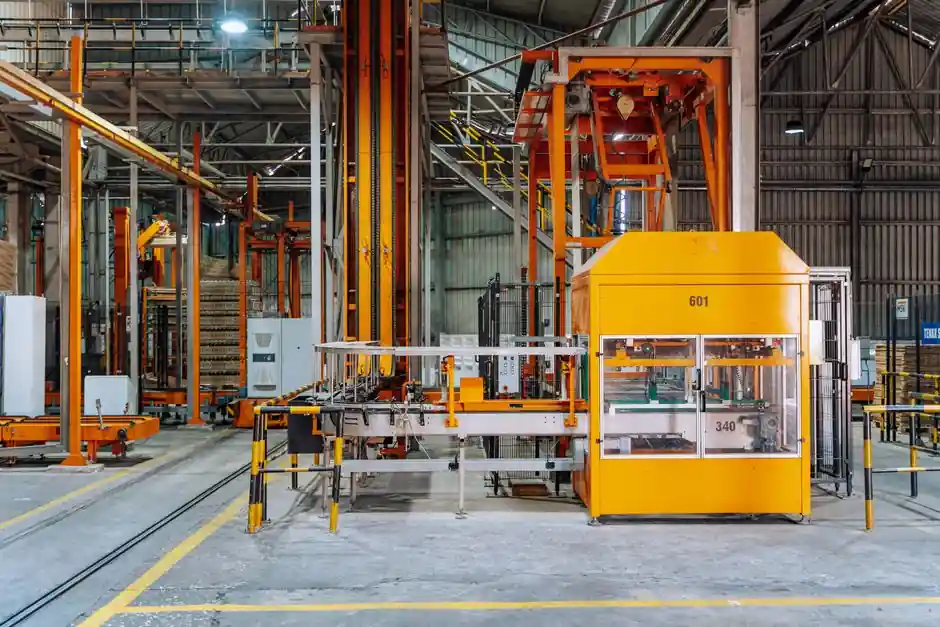
A complete zinc ingot line stacks five equipment tiers, from scrap-fed induction melting furnaces to PLC-driven mold conveyors producing 50 to 108 ingots per cycle, and the 2026 global zinc market is valued at roughly $30B with 3–4% annual growth, keeping demand for process-grade casting hardware firmly active [S4][S5].
Zinc's low melt point (419.5°C pure, 380–420°C for common die-casting alloys) puts the equipment bar in a different place than aluminum or copper: crucible-grade graphite or ceramic, modest induction kW ratings, and aggressive fume extraction above the pour station. Stack choice between horizontal mold conveyors, vertical continuous casters, and semi-automatic batch systems drives the next decision once melt capacity is fixed [S1][S3][S4].
Melting Furnace Tier: Induction vs. Propane-Fired Crucible
Electric induction furnaces sized for zinc run at lower kW ratings than aluminum or copper melters because of zinc's 419.5°C liquidus, and induction is preferred over gas-fired crucible pots where melt cleanliness and alloy composition control matter, since the electromagnetic stirring homogenizes the bath without introducing combustion byproducts [S3][S4].
For hobby or pilot scale, propane-fired furnaces rated above 420°C (788°F) with graphite or ceramic crucibles remain the entry path, and temperature control with insulated chambers is non-negotiable above 420°C to suppress zinc vaporization and the resulting zinc-oxide fume hazard [S3]. Operators on enclosed induction lines should still treat the pour zone as a fume Class A area, since zinc oxide generation starts well below the 907°C boiling point whenever surface agitation is high. Induction kW sizing rule of thumb: roughly 0.4–0.6 kW per kg of melt held at temperature, but specific supplier data must be requested per OEM.
Ingot Casting Machine: Horizontal Conveyor vs. Vertical Continuous
Horizontal ingot casting machines dominate zinc because the standard ingot form factor (typically 20–25 kg pigs) suits a chain-driven mold conveyor, with 50 to 108 mold cavities per machine and mold life rated by cycle count rather than calendar time [S4]. Vertical continuous casters appear in specialty long-billet zinc applications but are uncommon for commercial SHG-grade ingot output.
Cooldo and Lufeng-class fully automatic zinc ingot casting lines integrate zinc liquid-level control, an ingot casting station, an automatic stacking unit, an electric control cabinet, and a microcomputer control system, and the level-control loop is the single most failure-prone subsystem on these lines, since zinc oxide dross accumulates on the float and skews level readings within 4–8 weeks of continuous operation [S1][S6]. A 108-mold line at a 30-second cycle time runs at roughly 12,960 ingots per hour at nameplate, so unplanned downtime economics are severe.
Selection Criteria: Capacity, Alloy Range, Automation Tier
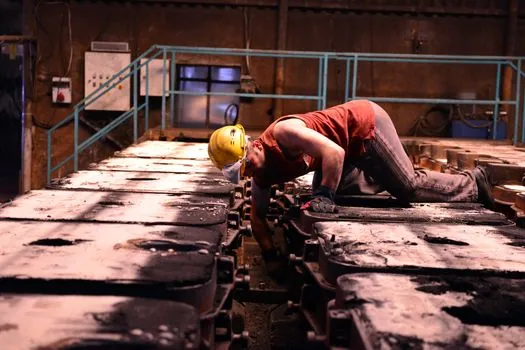
Four decision criteria separate the candidate machines: hourly throughput, alloy range (pure zinc, Zamak-family zinc-aluminum, or zinc-lead), automation tier (manual pour, semi-automatic, fully automatic with robot stacking), and utilities footprint (induction power, cooling water, compressed air for the mold release spray) [S1][S4][S6].
Selection also has to weigh the upstream melt feed (batch crucible pot vs. continuous induction launder), the downstream stack pattern (manual palletizing vs. automatic stacker tied to a wrapper), and the dross removal frequency, which on a 108-mold line can run 4–8% melt loss as oxide if skim cycles are skipped. Buyers comparing quotes should request: nameplate kW and actual specific energy consumption in kWh per tonne, mold material (cast iron vs. graphite-coated steel), cycle time at the quoted alloy, and PLC platform with spare-parts commitment. The reference zinc die casting machine encyclopedia page covers the related die-cast variant for buyers who need finished part geometry rather than re-melt stock.
Comparison: Manual Batch vs. Semi-Auto vs. Fully Automatic Line
Manual batch systems (propane crucible, hand-poured iron molds) suit sub-1-tonne/day operations and have the lowest capex but the highest labor per ingot and the largest fume-exposure risk for the pourer [S3][S4].
Semi-automatic lines add a heated launder and a mold conveyor but still rely on operators for dross skimming, stack-pattern change, and quality sampling, and they typically run 5–20 tonnes/day. Fully automatic lines with PLC liquid-level control, robot stacking, and inline weighing hit 30–100+ tonnes/day but require integration of an NDT check or at minimum a sample-based density test to flag cold-shut or gas-pocket defects before shipment [S1][S4][S6].
Mold, Cooling, and Skim System Engineering
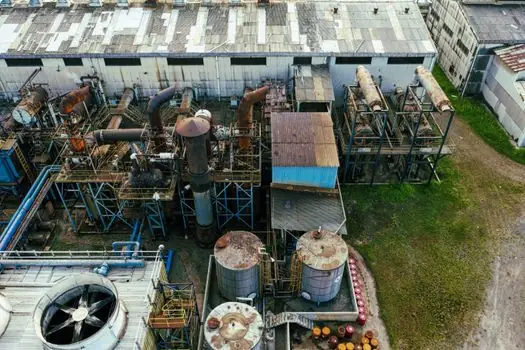
Mold life is the hidden operating cost on a zinc line: cast iron uncoated molds run 20,000–50,000 cycles before dimensional drift forces re-machining, while graphite-coated steel molds push past 100,000 cycles on pure zinc but wear faster on zinc-aluminum alloys above 4% Al [S4].
Cooling water flow per mold cavity is the second hidden variable, since insufficient water flux raises cycle time and excessive flux creates steam-driven porosity on the ingot face. Buyers should also note that zinc's high thermal conductivity means skimming is more forgiving than aluminum, but oxide entrainment into the pour stream is harder to detect downstream.
Who This Equipment Is For, and Where It Falls Short
Zinc ingot lines make sense for SHG-grade producers serving galvanizers, brass mills, and die-casting alloyers; for recyclers running die-cast scrap back to alloy ingots; and for integrated miners running captive output, but they are the wrong choice for anyone needing near-net-shape parts, where zinc die casting presses belong, or for ultra-high-purity 99.99%+ applications where electrolytic refining and vacuum distillation are the right process route [S2][S3][S4].
The lines also do not handle lead, copper, or aluminum in their standard configuration, and cross-contamination between alloys is a re-melt penalty that erodes the cost advantage, so buyers planning multi-metal operations should spec dedicated launders and furnaces per alloy family [S4]. Process engineers should also check utility stability: induction zinc lines are more sensitive to voltage sag than aluminum lines because the lower melt temperature means smaller thermal margin during a power dip, and a 2-second dip during pour can cold-shut a full mold face.
Sourcing, Standards, and Buyer Watch-Outs
Most Chinese OEM suppliers (Cooldo, Lufeng, HTGP) publish cycle-time and mold-count data but not long-term energy-consumption figures, so buy with a stage-payment tied to a FAT (factory acceptance test) running 8–24 hours at the quoted tonnage. The Procurement Resource 2026 cost report gives a usable benchmarking baseline for plant capex and working capital, and the India-focused NIIR business primer confirms demand drivers (galvanizing, brass, die-casting alloys) that are not specific to any single region [S5][S7]. For a comparison with how casting-adjacent equipment is selected in a different process, see the TIG welder supplier map 2026, which follows a similar OEM-disclosure pattern for welder selection. Also worth scanning for spec-writing practice is the industrial fastener demand 2026–2030 outlook, since galvanized fasteners are a major downstream zinc consumer and the volume mix there signals which ingot grades will tighten first.
Track the next two signals when sourcing: (1) the LME zinc cash-3M spread, which historically leads furnace restart/curtailment decisions by 4–8 weeks and therefore signals equipment lead-time stretching, and (2) any move by major Chinese OEMs to publish standardized kWh-per-tonne figures, which would let buyers compare lines without on-site FAT. Until then, the safest procurement path is a 30-tonne/day semi-automatic line from a vendor with at least five reference installations running more than two years, and a fully automatic line reserved for buyers with 50+ tonnes/day committed offtake.
For the relevant spec sheets and selection criteria, see additive manufacturing material.