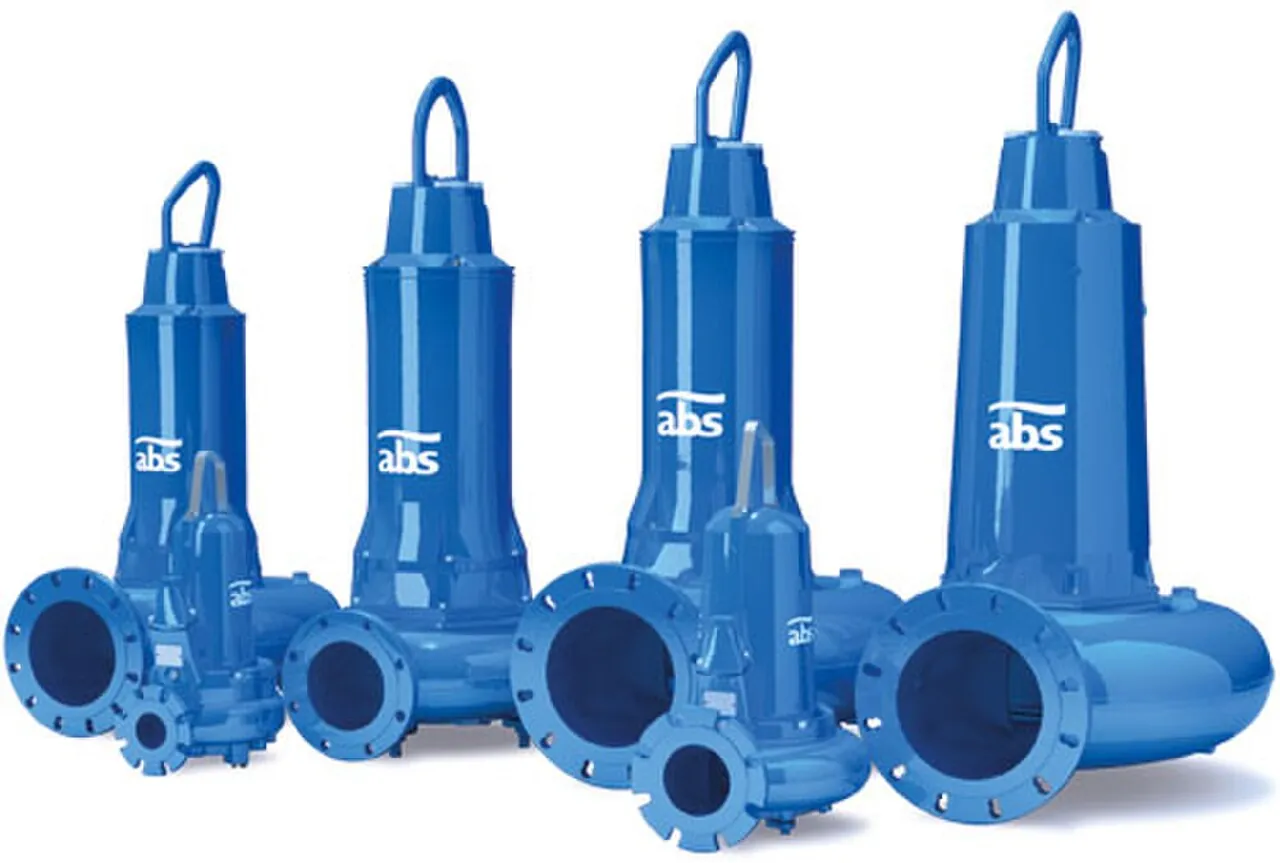
A grit classifier is the headworks machine that receives the water-grit mixture a grit removal system has pulled from the wastewater stream, an aerated grit chamber's rake, a vortex unit's separator, or a hydrocyclone's underflow, and washes and dewaters it: an inclined screw lifts the grit out of a small settling pool up a trough while wash water and agitation release the trapped organics back to the plant, and the machine discharges a drained, low-odor grit cake ready for a container while the organics-laden overflow returns to treatment. The Water Environment Federation's grit removal fundamentals and the US EPA's municipal treatment primer describe the duty's context, and this page treats the complete machine, trough, screw, drive, and feed interfaces, as the purchasing object.
This page is written for the engineer specifying a grit classifier for a new headworks, a retrofit adding washing to a legacy grit system, or an upgrade chasing cleaner grit and less odor. It works through what the machine does and what is actually being bought, how the pool and the screw do the work, which design choices such as screw geometry, washing intensity, and feed source separate one offering from another, the parameters that recur on vendor data sheets, and the selection factors and RFQ language that decide whether the plant's grit is clean enough to dispose of cheaply.
The decision concentrates in five places: the upstream grit system that feeds it, chamber, vortex, or cyclone, because the feed's water-to-grit ratio and organics content write the washing duty; the plant's flow range, average and peak, which sizes the pool and the screw; the washing intensity and organics return that set the cake's quality; the discharge dryness the disposal route demands, container, truck, or landfill; and the materials and access that let the machine survive an abrasive, corrosive, and hydrogen sulfide-rich lifetime. Get those right and the grit is boring, which is the point.
Chapter 1 / 06
What a Grit Classifier Is and What Is Being Decided
The machine this page describes is a steel trough, inclined at twenty-something to forty degrees from horizontal, with a horizontal or sloped hopper section at its lower end forming a small pool, a screw or spiral conveyor running the trough's length on a center shaft, and a drive at the upper end. Grit slurry, pumped or gravity-fed from the removal system, enters the hopper; grit settles into the screw's path, which slowly lifts it up the trough, draining as it climbs, while lighter organics stay in suspension and overflow a weir back to the wastewater stream. In washing variants, water sprays, agitation, or a separate wash zone resuspend and release the organics from the grit before the climb, so the discharged cake carries far less volatile solids; the drained grit drops from the screw's top into a bin, bag, or conveyor for disposal.
What is being decided when a grit classifier is purchased is a grit quality statement. The buyer is purchasing the ability to take a stated grit slurry, at a stated grit load and organics content, and deliver a stated cake, dryness by percent total solids and cleanliness by volatile solids content, at the plant's full flow range, with the organics returned to treatment rather than landfilled with the grit. Everything on the vendor data sheet, screw diameter, trough length, pool volume, drive torque, exists to support that statement, and honest vendors size from the grit's character, load, gradation, and oil and grease, rather than by copying the last project.
The grit classifier sits in the headworks family with well-defined neighbors that this encyclopedia treats separately. It is not the grit chamber, aerated or vortex, nor the hydrocyclone of cyclone-separator lineage that often feeds it, all of which remove grit from the flow and hand it to this machine as slurry; it is not the bar-screen or rotary-drum-screen machinery upstream that racks and screens the rag and solids the grit stream rides with; and it is not the clarifier or gravity-thickener of the plant's sedimentation side, whose sludges are organic, not granular. Its product goes to disposal, its overflow returns to the plant, and in some layouts its washed organics feed the sludge train toward thickening and digestion, screw-press or filter-press dewatering downstream.
Different buyers buy the same machine for different grit. A municipal plant on a combined sewer system receives street grit, sand and cinder, heavy and fast-settling, with storm peaks that multiply the load. A separate-system plant receives a steadier, finer grit with more organics, wanting the washing stage most. A plant with industrial discharges may see foundry sand or abrasive manufacturing solids with their own gradation. A coastal plant sees beach sand character; a plant after a force main receives grit pumped up the system, degraded and grease-coated. The grit's gradation and grease content, and the flow's peaking factor, write the specification; the screw physics does not change.
The economics deserve their own paragraph because grit quality is disposal money. Grit landfilled wet and organics-rich pays tip fees by the tonne for water and for putrescible volume, generates odor and vector complaints at the bin, and hauls trucks of nearly nothing; the same grit washed to sixty-plus percent total solids and under a few percent volatile solids disposes as inert mineral, cheaper per tonne, denser per truck, and quiet at the curb. The washing classifier's premium over a bare dewatering screw repays itself in haul and tip savings on most plants, which is why washing variants have become the municipal default rather than the upgrade.
A short tour of named duties makes the machine concrete. In a classic headworks, flow passes a bar screen, then an aerated grit chamber rakes settled grit to a sump, a grit pump sends it as slurry to the classifier, the inclined screw lifts and drains it, and the overflow returns to the channel while the cake drops to a dumpster. In a compact vortex headworks, a stacked-unit design puts the vortex separator and the classifier screw on one tank, gravity handing the grit across with no pump. In a cyclone-fed retrofit, hydrocyclone underflow discharges to a classifier sized for its concentrate. Each duty names the same knobs, pool, screw, washing, and drainage, with numbers that scale while the settling physics never changes.
Chapter 2 / 06
How the Pool, the Screw, and Washing Do the Work
Separation in the machine is a small sedimentation statement repeated continuously. The feed's grit, specific gravity near two point seven against the organics' near one, settles in the pool's quiet zone while the water and its suspended organics overflow the weir; the pool's volume against the feed flow sets the overflow rate, and the pool must be sized so the target grit sizes settle and the target organics do not. Screw flights, turning slowly, convey the settled grit up the trough; the flight pitch and the shaft speed set the lift rate, matched to the grit load with margin for storm peaks.
Drainage happens on the climb. As the screw lifts grit out of the pool, the trough's inclination lets water run back down the flights to the pool, and the cake dewaters progressively toward the discharge lip; the final dryness, commonly around sixty percent total solids for a clean grit, is a function of the drainage length, the flight spacing, the residence in the air, and the grit's own gradation, fine grit holds more water and dewaters worse. The trough's upper section is drainage engineering as much as conveying, and longer machines buy dryness with steel.
Washing is where organics leave the grit. In simple classifiers, the pool's overflow alone carries the organics that the feed turbulence kept suspended, and the cake retains whatever settled with the grit; in washing classifiers, deliberate energy, agitation paddles, air diffusers, water sprays on the climb, or a dedicated wash zone ahead of the pool, resuspends the organic film and grease from the grit particles so the overflow weir, not the dumpster, receives it. The wash water is the plant's own flow or service water, and its volume joins the overflow return; the design question is how much energy and water for how many volatile points of cake cleanliness, and the honest answer is tested, not assumed.
The feed system is half the machine's success. Gravity-fed arrangements, vortex units stacked or chuted above the classifier, deliver a steady slurry at the machine's design dilution; pumped arrangements, grit pumps on a chamber sump, deliver intermittently by level control, and the classifier's pool must accept the batch without overflowing grit, its screw storing the surge between feeds. The feed's dilution ratio, water to grit, is a design input not a detail: too thin and the pool overflows fine grit back to the plant, too thick and the pipe or chute sands up. The RFQ should state the feed source, its delivery pattern, and the expected grit load range.
Materials and the environment are the survival layer. Grit is a mineral abrasive attacking every sliding and turning surface, and the headworks air, hydrogen sulfide rich, corrodes above the waterline; so troughs are stainless or coated steel, often 316 in corrosive plants, screws are stainless or abrasion-coated with hard-faced flight tips, and wear liners, replaceable trough bottoms of polyethylene or urethane, take the abrasion where it concentrates. Drives are gearmotor-direct, slow, high-torque, and a variable frequency drive gives the screw the trim that feed patterns want. Seals, bearings out of the wet zone, and washdown piping complete a machine designed to be hosed, ignored, and relied on.
Control is simple but real. The screw runs by timer, by level in the hopper, by feed-interlock with the grit pump, or continuously in high-load plants; the overflow and pool levels are passive weirs; and the discharge side, a bin level or a conveyor interlock, stops the machine before it buries its own product. Odor control, covers on the hopper and trough with venting to a scrubber or carbon unit, is common where the headworks is enclosed, and the machine's contribution to the headworks' odor inventory, unwashed grit especially, is one of the washing stage's quiet selling points.
Chapter 3 / 06
Classifier Types, Feed Systems, and Machine Boundaries
Classifier-and-washer combinations are the municipal mainstream: the inclined screw with a washing stage, agitated pool, sprays, or a dedicated wash zone, delivering the low-volatiles cake the disposal market wants. Bare dewatering classifiers, the simple inclined screw without washing, survive in low-organic grit duties and legacy plants; their cake is wetter and dirtier, and their disposal costs quietly say so. Within the washing class, the geometry variants, pool-in-trough against separate-hopper designs, screw diameter and length classes, and the washing energy's form, divide the vendors' catalogs, and the differences that matter commercially are cake quality and wear life on the plant's actual grit.
Feed arrangements name the installed classes. Stacked or compact units integrate the vortex grit separator and the classifier in one structure, gravity-fed, footprint-small, and increasingly the small-plant default; chamber-fed systems rake or airlift grit to a sump and pump it to a freestanding classifier, the classic large-plant arrangement; and cyclone-fed systems, the hydrocyclone on the grit slurry with its underflow to the classifier, concentrate the grit before the machine, letting a smaller classifier serve a high-flow headworks, with the cyclone itself a cousin of this encyclopedia's cyclone-separator page. Each arrangement changes the feed's dilution and pattern and thus the classifier's sizing basis.
Adjacent machines mark the boundary. The grit classifier is not the grit chamber or vortex separator that captures the grit, not the hydrocyclone that concentrates it, and not any of the fine-screen machinery, bar-screen or rotary-drum-screen, that precedes capture; it is the washing and dewatering endpoint of the grit train, and its feed contract is the capture system's underflow. Downstream of the plant's grit train, the organic solids' world begins, clarifier and dissolved-air-flotation sedimentation, gravity-thickener concentration, digestion and dewatering by screw-press, filter-press, or decanter-centrifuge, and washed grit's escaped organics rejoin exactly that train through the classifier's overflow. Product handling neighbors, a bin, a belt conveyor, or a bucket elevator to storage, are the discharge interface; pumps, a sewage-pump or grit-pump lineup, are the feed's.
Scale classes run with the plant. Small package plants run compact screws of a few hundred millimeters; mid-size municipal machines run half-meter screws with washing stages; large plants run multiple machines or long screws on chamber-fed systems with storm margin. Every size class shares the failure physics, abrasion, corrosion, and rag, and the differences among offerings are materials, wear-part economics, and washing performance rather than architecture. Retrofits, adding washing to an existing dewatering screw or a classifier to a legacy chamber, are common projects and vendors quote them against the same cake-quality numbers as new steel.
The headworks context deserves a closing paragraph because the classifier is one player in a chain. Upstream, screens take the rag that would wrap the screw, and the flow's velocity history, channels, wet wells, and force mains, has already decided what grit reaches the capture stage and in what grade; downstream, the plant's sludge train, thickeners, digesters, dewatering, works better for the organics the classifier returned. An induced-gas-flotation unit on oily industrial flows, a flow meter on the channel accounting what arrives, a level transmitter on the feed sump, these are the instrumentation and treatment neighbors of a working headworks, and the classifier's specification should name its position in that chain rather than pretend to stand alone.
Chapter 4 / 06
Key Specification Parameters
The vendor data sheet for a grit classifier centers on capacity, cake quality, and machine class, and each number carries a duty consequence. The table below lists the parameters that recur across manufacturers' catalogs from compact to large municipal machines, with typical ranges a buyer will see. Values for a specific project come from the plant's grit characterization and flow range, and the ranges here are orientation, not a substitute for that engineering.
Parameter
Typical catalog range
What it decides
Grit handling capacity
tens of liters of grit per hour to m3/h
Screw size; number of machines
Feed slurry flow
unit specific, 10 to 100+ m3/h
Pool sizing; overflow rate
Plant flow range served
average to peak factor basis
System sizing; storm margin
Screw diameter
250 to 1,000 mm class
Capacity; torque; machine class
Trough inclination
20 to 40 degrees
Drainage length; dryness; height
Cake total solids
50 to 65+ percent typical
Disposal weight and haul cost
Cake volatile solids
to below roughly 3 percent washed
Odor and putrescibility class
Wash water demand
plant specific by design
Operating cost; return load
Drive power
1 to 7.5 kW class
Torque margin; restart under load
Materials
304 or 316 stainless, liners
Corrosion and abrasion life
Three of these numbers deserve the buyer's suspicion when they arrive without a basis. Cake total solids quoted without the grit's gradation hides the fine fraction that never dewaters. Volatile solids quoted for a washed cake without the washing energy and water basis behind it is a brochure number. Capacity quoted in grit volume without the plant's peak factor ignores the storm hour that actually sizes the machine. An RFQ that demands the grit characterization basis, gradation and load range, separates engineered offers from assembled ones.
Materials and construction follow the environment. Troughs and screws are stainless, 304 in benign heads, 316 in sulfide-rich ones, with polyethylene or urethane wear liners on the trough bottom where the flights run; hard-facing protects flight tips in heavy grit; drives are sealed gearmotors sized for restart under load with the trough full, the honest torque case; and bearings sit above the wet zone with gland or air-purged seals. Covers, access hatches, and washdown headers are part of the installed machine, and odor-control connections belong in the scope where the headworks is enclosed.
Chapter 5 / 06
Selection Decision Factors and RFQ Language
Selection starts with the grit, not the catalog. The load, average and storm, the gradation, how much passes 150 microns, and the organics and grease the grit carries, decide the machine's size, the washing stage's energy, and the cake's honest quality; plants without a grit study should run one, because a classifier sized to assumptions grits the plant differently than one sized to data. The capture system feeding it, chamber, vortex, stacked, or cyclone, sets the feed pattern and dilution, and the classifier's sizing follows that contract, not a generic curve.
The disposal route is the quality decision. A landfill that accepts only inert mineral wants washed cake, low volatile solids and no free liquids, and pays the washing stage for itself; a forgiving route tolerates a bare dewatering machine's product. Odor policy, enclosed headworks and neighbors, pushes the same direction as washing. The plant's flow peaking sets the machine's storm margin, multiple machines or a long screw's storage, and the layout, channel depth and available height, decides freestanding against stacked arrangement. Each of these is a statement the RFQ should carry rather than a default the vendor should guess.
The table below organizes the decision into the factors that recur across projects, with the questions the buyer should be able to answer before the RFQ goes out. Each row is a place where an incomplete answer becomes an underspecified machine and a disposal or odor argument later.
Decision factor
What the buyer must state
Consequence if left open
Grit characterization
Load average and storm, gradation, organics, grease
Machine and washing stage guessed
Feed system
Chamber, vortex, stacked, or cyclone; dilution and pattern
Pool sizing wrong; sanding or overflow
Cake quality target
TS and VS numbers the disposal route demands
Disposal cost and odor miss
Flow range
Average, peak factor, storm behavior
Machine buries or overflows at peak
Materials and air
Sulfide class, enclosed or open, odor control
Corrosion life and odor scope wrong
Layout
Channel depth, height, access, bin or conveyor
Freestanding or stacked forced late
Interfaces
Grit pump control, bin level, odor venting
Control and interface disputes late
RFQ language for a grit classifier should name the grit and the cake. A workable specification states: the grit characterization, load at average and peak flow with gradation and organics basis; the feed system and its slurry dilution and delivery pattern, pumped, gravity, or cyclone underflow; the cake specification, total solids and volatile solids on a stated test basis; machine architecture, washing classifier with the washing energy form named, with vendor free to propose within it; screw and trough materials for the plant's sulfide class with wear liner expectations; drive sizing basis including restart under load; covers and odor connection scope; control philosophy, screw operation and interlocks with the feed system; and the acceptance basis, a demonstration period at the plant's flows with the cake sampled to the stated TS and VS basis. Naming the interface equipment, the grit pump or chute upstream and the bin or conveyor downstream, lets vendors bid the connections correctly.
Chapter 6 / 06
Installation, Standards, Failure Modes, and Maintenance
Installation is structural and interface work. The trough and hopper set on their supports at the feed and discharge elevations the layout gives; feed piping or chutes, overflow return, wash water, and vent connections tie in; and the discharge arrangement, bin, bagger, or conveyor, installs at the lip. Commissioning runs water first, verifying pool behavior, overflow return, and drain angles, then grit in the plant's real pattern, with the cake sampled over the first weeks to set the operating baseline. The machine's simplicity is real, but its interfaces, feed dilution and bin capacity, are where installations succeed or frustrate.
Standards for grit classifiers are machine and wastewater plant practice rather than a single machine standard. Structures follow the plant's structural and wastewater equipment codes; rotating machine safety follows guarding practice for the exposed screw; materials follow the water industry's corrosion guidance for sulfide service; and the headworks' odor and ventilation requirements follow the site's environmental framework. There is no single international grit classifier standard governing the machine end to end, so the RFQ must name the applicable structural, mechanical, and safety codes and the vendor's manufacturing standards for troughs, screws, and drives. Edition references should be verified current at purchase rather than copied from an old specification.
The recurring failure modes are abrasion, corrosion, and rag. Flight and liner wear slowly open clearances and drop conveying efficiency, caught by cake-rate trending until liner renewal at a planned interval; sulfide corrosion above the waterline thins troughs and covers in unventilated heads, caught by thickness survey; rag from screens upstream wraps the screw shaft and chokes flights, caught by torque trends and cleared at cleaning; and the feed system's own failures, a sanded grit pump or a choked chute, present as starvation or surge at the classifier. The drive, slow and simple, mostly outlives the wear parts, and the machine's catastrophic modes are few, which is the headworks' quiet compliment to it.
Maintenance planning is interval driven and washdown friendly. The table below lists the recurring items with the typical cadence a plant will schedule, assembled from common practice; the real schedule follows the grit's abrasiveness and the plant's storm frequency and should be reset from the first year's wear data.
Long-term care keeps the disposal economics honest as the collection system drifts. Sewer rehabilitation and storm patterns change the grit that arrives; fine fractions increase as systems age, and the machine tuned for the old gradation quietly dewaters worse; periodic cake sampling and wear surveys against the commissioning baseline catch the drift early. Liner material upgrades and washing-stage retrofits pay on machines whose grit has changed under them. The plant that treats the classifier as a disposal-cost instrument, sampled and trended, is the plant whose grit line item stays boring through the decades, which is exactly what a headworks machine wants to be.
FAQ
What is the difference between a grit classifier and a grit washer?
The names have merged in practice. A bare classifier dewaters: the inclined screw lifts grit from a small pool and drains it, but whatever organics settled with the grit stay in the cake. A washer-classifier adds washing energy, an agitated pool, sprays, or a wash zone, that resuspends the organic film before the climb, so organics overflow back to the plant and the cake leaves as clean mineral. Most machines sold today are washer-classifiers, because washed grit's disposal costs and odor are so much lower, and this page treats the combined machine as the class.
Why does washed grit matter for disposal?
Because unwashed grit is landfilling the wrong things. A raw classifier cake carries perhaps a third volatile solids, grease and organics that rot, stink, attract vectors, and are refused or surcharged at many landfills as putrescible waste; it also carries half its weight as water, hauled and tipped by the tonne. Washed cake, sixty-plus percent total solids and low single-digit volatile solids, is an inert mineral, dense, dry enough for most permits, and quiet at the bin. The washing stage's capital repays itself in haul and tip savings on most plants, which is why washing became the default.
What feeds a grit classifier?
The grit slurry that a capture system produces. An aerated or vortex grit chamber rakes or draws grit to a sump and pumps it over; stacked compact units gravity-feed the classifier from the vortex separator above; and cyclone-fed systems run the slurry through a hydrocyclone first, concentrating the grit so a smaller classifier serves. The feed's dilution ratio and delivery pattern, steady gravity or batched pumping, are sizing inputs the classifier's pool must be designed around, and the RFQ should state the source, the pattern, and the grit load range rather than leave the vendor to assume them.
How dry is the cake from a grit classifier?
Typically around sixty percent total solids for a clean medium grit, with fine grit dewatering worse and coarse grit better. The dryness comes from the drainage on the inclined climb, longer troughs and slower screws buying dryness with steel and residence, and the grit's gradation setting the ceiling, fine fractions hold water that drainage cannot beat. The disposal route writes the number the machine must make, and the RFQ should state it with a test basis, because percent total solids is a contractual number in disposal contracts, not a brochure adjective.
Why is a vortex or aerated grit chamber upstream?
Because the classifier cannot capture grit from the raw flow; it only cleans what capture has removed. The grit chamber's job, by aeration-induced roll, vortex swirl, or plain velocity control, is to settle grit out of the moving wastewater and concentrate it, while the classifier's job is to wash and dewater that concentrate. The two machines are bought as a system, stacked or pumped, and the classifier's feed contract, dilution and load, is written by the capture stage's design, which is why this page's RFQ section insists the feed system be named.
What wear parts does a grit classifier need?
Liners and flights dominate. Grit is a mineral abrasive working on every wetted sliding surface, so trough bottoms take replaceable polyethylene or urethane liners, flight tips take hard-facing, and the screw itself is a wear component whose renewal is planned, not emergency. Sulfide corrosion above the waterline is the second attacker, managed by stainless grades and ventilation. Bearings, seals, and the gearmotor are standard machine items on their own schedules. The vendor should state expected liner and flight life for the plant's grit load, and the buyer should budget on those wear bases.
What should a grit classifier RFQ include?
State the grit characterization, load at average and peak with gradation and organics basis; the feed system with its dilution and delivery pattern; the cake specification, total solids and volatile solids on a stated test basis; architecture, washing classifier with the washing energy form, with vendor free to propose; screw and trough materials for the sulfide class with liner expectations; drive sizing including restart under load; covers and odor connections; control philosophy and interlocks with the feed system and bin; and the acceptance basis, a demonstration at plant flows with cake sampled to the stated basis. Naming the grit pump or chute upstream and the bin or conveyor downstream lets vendors bid the connections correctly.