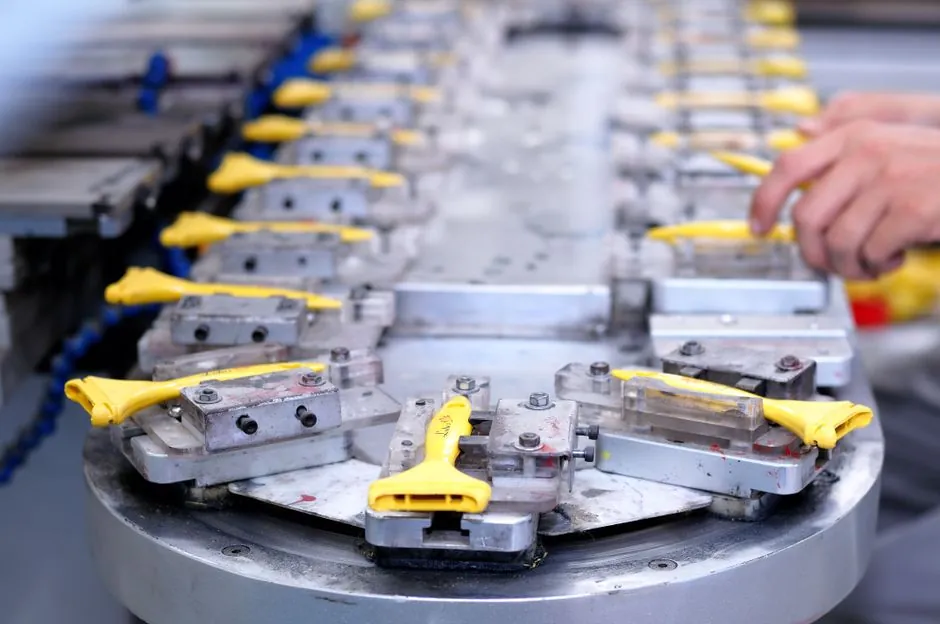
AGV procurement in 2026 resolves to a short list of system-integrator OEMs and a longer tail of regional cart and forklift builders, with JBT, Toyota Industries, Daifuku, Seegrid, Dematic, and Kiva-aligned (KION) platforms dominating the high-throughput warehouse and automotive tier [S1][S5].
The practical question for a process or logistics engineer is not "which vendor is biggest" but which navigation class, payload band, and fleet-management stack matches a given brownfield or greenfield layout; the answer drives supplier shortlisting before price negotiation even starts [S2][S3].
Navigation Classes: Wire, Tape, Laser, and SLAM Vision
Four guidance families still cover the AGV installed base in 2026, each with a different cost-to-flexibility ratio: inductive wire (slot cut into the floor with a current-carrying loop), magnetic tape or magnet strip, laser triangulation against reflectors, and natural-feature / vision SLAM [S4].
Wire-guided AGVs remain the cheapest to install per meter of path but the most expensive to reconfigure, which makes them a poor fit for sites expecting more than one or two layout changes per year; laser- and vision-guided units (often marketed as LGVs or as hybrids bordering AMR behaviour) cost more per vehicle but move the same route change to a software upload [S4][S3]. Magnetic-tape AGCs sit at the low end, common in electronics and light-assembly cells, and trade payload and speed for path flexibility [S4]. Engineers specifying new builds should map the expected layout-change frequency in months before locking a guidance class, because the TCO gap over 7-10 years between wire and vision is dominated by change-order cost, not unit price.
Top-Tier System Integrators and Their Niches
JBT Corporation and Toyota Industries (parent of Toyota Material Handling) anchor the North American and European automotive and air-cargo handling tier, with deep installed bases in assembly-line tugger and forklift AGVs [S1][S8]. Daifuku and its Dematic subsidiary cover intralogistics at distribution-center scale, including AS/RS-coupled counterbalance and reach vehicles that feed rack in/out positions [S1][S3]. Seegrid, Vecna Robotics, Fetch Robotics, and OTTO Motors represent the U.S. vision-and-AMR-leaning cohort, often specified when the facility wants SLAM navigation without retrofitting the floor [S5]. Kiva Systems (now under Amazon Robotics, but its platform lineage flows through KION group partnerships) remains the reference architecture for goods-to-person fulfillment at scale [S7].
Engineers evaluating these names should treat them as system integrators, not just vehicle vendors: the binding constraint on a 50- to 200-vehicle deployment is rarely the truck itself, it is the warehouse-execution-system (WES) or WCS handshake, traffic-management software, and battery/charging strategy those integrators bring to the project [S2][S3].
Vehicle Type vs. Application: A Selection Matrix
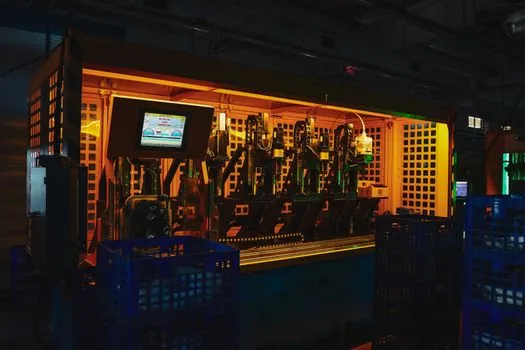
Dematic's published application matrix gives a clean cross-reference: point-to-point pallet transfer defaults to top-load or counterbalance units; AS/RS handoff uses counterbalance, reach, or VNA chassis; deep-lane staging near the dock favors counterbalance or stacker builds; trailer loading and drive-in racking both lean counterbalance; very-narrow-aisle (VNA) high-bay work is essentially its own vehicle class with wire-in-floor navigation [S3].
Tugger and cart-based AGVs pull trailers along repeatable routes and dominate automotive assembly and WIP movement; unit-load vehicles and automated guided carts handle totes and station-to-station transfer in packaging, pharma, and electronics [S2]. A shortlist should match each material flow lane to one of these chassis classes before vendor demos are scheduled, because the same brand can refuse a job simply because their standard chassis does not cover the lane geometry.
Standards, Safety, and Sourcing Discipline
AGV safety in regulated jurisdictions falls under industrial-vehicle standards (ANSI/ITSDF B56.5 in the U.S., EN ISO 3691-4 in the EU for driverless industrial trucks), with site risk assessment layered on top; procurement specs should reference the applicable standard by number and require documented compliance, not vendor assurances alone. Battery selection between lead-acid, lithium-ion, and increasingly lithium-iron-phosphate is a parallel decision that affects charging-room ventilation, opportunity-charge strategy, and forklift-class fire-suppression rules. [S5]
For buyers building a regional shortlist, the IQS Directory and AGV-specialist portals remain the cleanest single-screen view of North American integrators, with separate pages for state-level filtering (e.g. Michigan AGC builders such as IDC Corporation) when a regional service footprint is a hard requirement [S6]. Buyers should also verify vendor financial health and reference-site list, because AGV projects have multi-year warranty and service tails that outlive a typical 3-year capital cycle.
Limitations and Failure Modes Buyers Hit
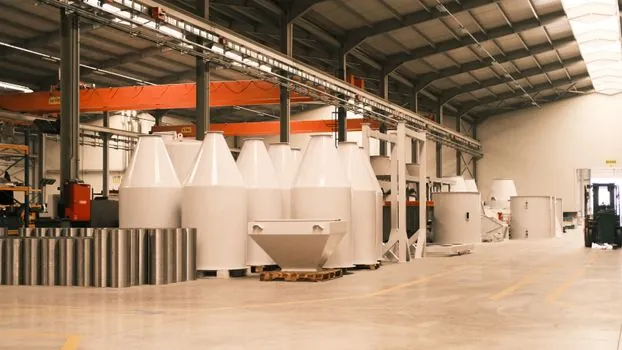
The most common failure mode on a brownfield AGV install is not vehicle hardware, it is the gap between the AGV fleet manager and the existing WMS/WCS: traffic conflicts, queue blocking at chokepoints, and charge-station contention all surface in the first 90 days and trace back to integration scope, not truck reliability. A second recurring issue is floor tolerance: laser-guided vehicles need flatness and reflectivity assumptions that older industrial slabs do not meet without grinding, and a magnet-tape retrofit on a contaminated floor (oil, dust, weld spatter) fails within weeks. [S2]
Buyers also over-spec payload: a counterbalance chassis rated 2,500 kg is rarely the bottleneck, the bottleneck is the aisle width, the turning radius, and the lift-height-clearance envelope of the rack, which is why early 3D laser scans of the building save more money than any vendor discount. Related context on heavy-equipment commissioning and site-prep tolerances is collected in guides such as concrete-pump-truck installation site prep, outrigger load, and first-pour checks and skid-steer loader 8-step commissioning flow, which apply similar tolerances-first thinking to adjacent mobile-plant classes.
Where the Market Is Moving: AMR Convergence and Software Lock-In
The cleanest separation between AGV and AMR (autonomous mobile robot) is that AGVs depend on infrastructure (wire, tape, reflectors) while AMRs do not, but every major AGV vendor on the 2026 shortlist now sells an AMR SKU or partners with one, and the fleet software stacks have converged to a common traffic-management and WES-API pattern [S4][S7]. That convergence means buyers comparing 2026 quotes should look past vehicle specifications toward the openness of the fleet API, the cost per vehicle per month for software licensing, and the exit clause if the integrator is changed mid-life.
Practical next node: request a paid or no-cost site survey that delivers (a) a 2D layout with annotated guidance class, (b) a traffic simulation with peak-hour queue lengths, and (c) a battery/charging plan with electrical single-line diagram, before signing a purchase order. Trackable signals over the next 6-12 months include vendor announcements of LFP battery options, AS/RS-native VNA AGVs, and WES-agnostic fleet managers that drop the proprietary software premium. Engineers who pin their specs to navigation class, payload band, and API openness rather than brand will be able to swap integrators when the warranty term ends without redoing the floor.
Component reference pages worth checking: agv robot, guided wave radar level, and construction machinery and equipment.