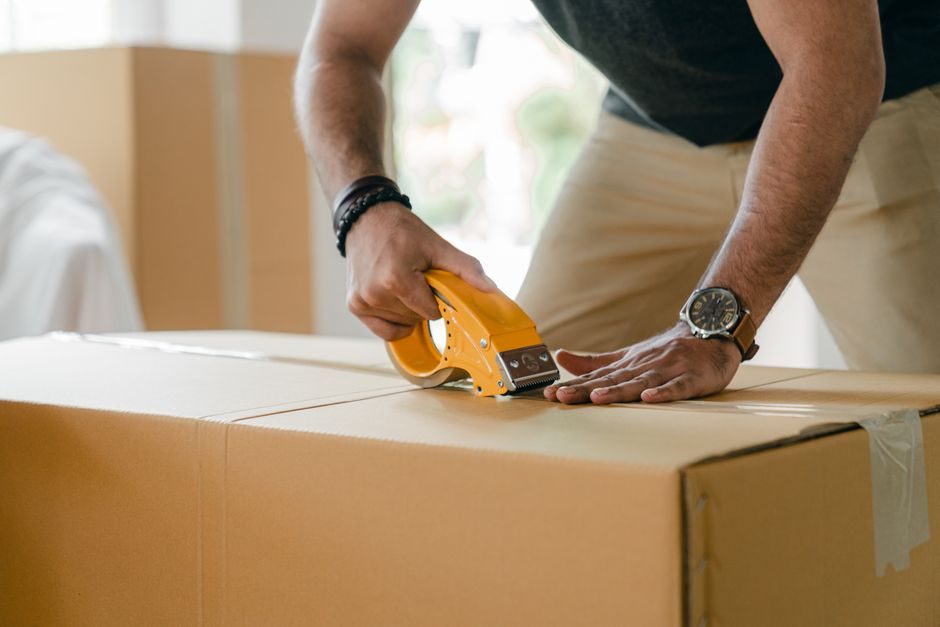
A case packing machine is the end-of-line work cell that forms, loads, and seals a corrugated or paperboard shipping case around collated product — top-load, side-load, wrap-around, and pick-and-place variants cover roughly 90% of installed lines in food, beverage, pharma, and personal-care plants.
Selection hinges on three measurable axes — case format range (RSC, HSC, wrap-around, tray), throughput in cases per minute, and SKU changeover time — and each axis carries a specific failure mode that buyers usually discover only after commissioning [S3].
Core Advantages: Throughput, Labor, and Case-Erection Consistency
Mechanised case erection delivers square, dimensionally consistent cases every cycle, which directly improves pallet-stacking density and reduces shipping carton damage that originates from skewed or partially sealed blanks. Packing boxes made of corrugated paperboard, plastic, wood, or composite sheet are universally accepted as the standard shipping container across electronics, food, beverage, pharma, and cosmetics lines [S3].
For high-mix consumer goods lines, servo-driven top-load packers cut SKU changeover to under 5 minutes on machines that store recipe parameters in the PLC, eliminating the 20 to 40 minutes of mechanical retooling that a hand-fed cell demands. The case packing machine types reference breaks these configurations down by pick method and case-formation path.
Disadvantages: Capex, Footprint, and Multi-SKU Format Pain
Capex for a servo top-load case packer with a 4-axis robot typically falls in the USD 150,000 to 500,000 band before integration, and a full wrap-around shrink-style cell with conveyors and case erector commonly lands at USD 350,000 to 900,000 installed.
Footprint is the second hidden cost: a single robotic top-load cell with infeed, collating conveyor, and discharge often occupies 12 to 25 m² of floor area plus guarding to ISO 13849-1 PL d, which is roughly 4× the floor demand of a manual case-loading station. This footprint-versus-throughput ratio is the single most common reason buyers de-rate a line during the layout phase, and it is a sizing question the case packing machine types spec map addresses cell by cell.
Format changeover is the third disadvantage. A packer specified for a single case size and product pattern will run efficiently for years, but the same machine asked to handle five case footprints and three product patterns will spend 8 to 15% of available time in changeover, and a mis-set pick-and-place gripper becomes the leading unplanned-downtime cause on multi-SKU lines.
Selection Criteria: Throughput, Format Range, and Product Fragility

For fragile product (bottles, glass jars, blister packs), a top-load pick-and-place head with soft-grip end-effector running at 10 to 40 cycles per minute is safer than a wrap-around drop packer even at lower capex. For high-runs of a single SKU (beverage cans, carton packs), wrap-around or side-load packers deliver throughput up to 200 cases per minute at lower per-case cost. The labeling machine spec map covers the adjacent upstream constraint, since labeler accuracy and case-packer timing must be matched cell to cell to avoid reject pile-ups.
Comparison of the Four Main Configurations
Top-load pick-and-place: 10 to 40 cpm, highest SKU flexibility, highest capex per case, gentlest product handling, footprint 15 to 25 m².
Side-load horizontal: 30 to 80 cpm, suited to cartons, bags, and flow-wrapped pouches entering on edge, moderate capex, footprint 10 to 18 m².
Wrap-around: 60 to 200 cpm, lowest per-case board cost, limited to rigid products that can be collated in a tight grid, footprint 12 to 20 m².
Drop packer / gravity: 20 to 60 cpm, lowest capex, hardest on product, only suitable for robust SKUs in a fixed size. Comparison criterion: cases per minute against footprint in m² against capex in USD thousand against maximum SKU count per shift.
Failure Modes and Operating Limits Buyers Should Pre-Define
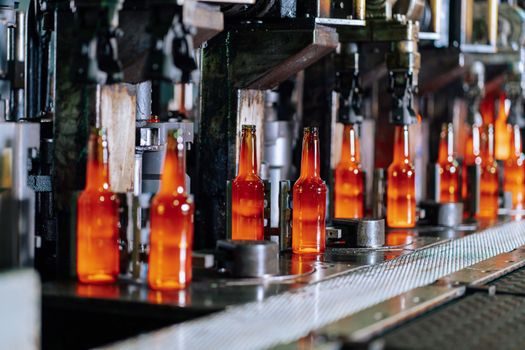
Five failure modes account for the majority of unplanned stops on case-packing cells: case blank mis-feed from the magazine, glue tank temperature drift on hot-melt sealers, gripper vacuum loss, servo drive faults on robot-pack heads, and photo-eye contamination on the infeed collation conveyor.
Air pressure below 6 bar will degrade pneumatic gripper cycle times; hot-melt glue applied below 160 °C yields poor fibre tear and case blow-out during palletising. PLC recipe management is non-optional for any line expected to run more than three SKUs, and guarding must meet ISO 13849-1 performance level d at the case-loading station because operator intervention during a jam remains the most common injury vector. The machine vision system spec map is a useful cross-reference if vision-guided case inspection is being added to the cell.
Standards, Sourcing, and Trackable Signals
Applicable reference points are ISO 13849-1 for safety-circuit performance level on guarding, IEC 60204-1 for electrical equipment of industrial machines, and OSHA 1910.212 general machine-guarding requirements for US installations.
Buyers should request documented MTBF in cycles between major interventions, MTTR in minutes for the top three failure modes listed above, and a factory-acceptance test protocol measured against a defined case-format matrix rather than a single sample case. Trackable signals for the next sourcing cycle: a published mean changeover time under 5 minutes for servo top-load packers, air consumption below 5 NL per cycle on next-generation vacuum heads, and guarding architectures that document ISO 13849-1 PL d with validated subsystem data rather than a generic declaration.
Spec-level background on the components involved: gland packing, and coding machine.