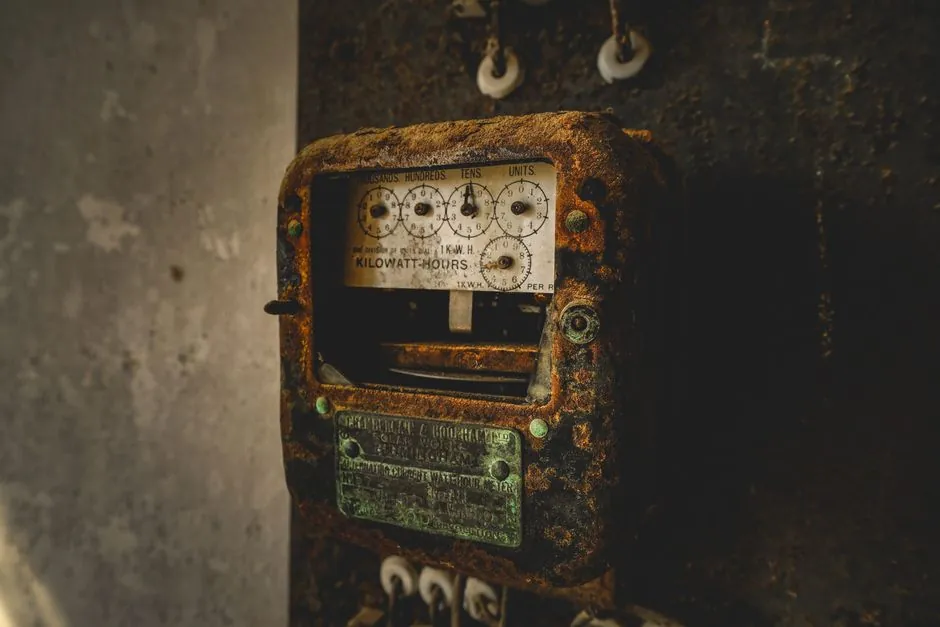
An electricity meter destined for a noisy, hot, oily, vibration-loaded industrial plant cannot be procured off the same evidence pack as one going to a residential socket. The shop-floor unit must clear a layered set of compliance gates: ANSI C12.1-2026 for revenue-grade accuracy and testing, ANSI C12.10 for mechanical and electrical construction, UL 94 V-0 flammability on enclosure plastics, IEC 60529 IP54 or higher for dust and splash, and IEC 61000-6-2 industrial EMC immunity [S1][S3].
The deliverable at the end of this checklist is a single, traceable folder per shipment: meter pattern approval, bill of materials, factory test report, third-party lab certificate with scope and validity dates, and a signed photograph of the seal that ties the unit to the certificate number [S2][S7].
Layer 1: revenue-grade pattern approval and certification life
ANSI C12.1-2026 is the current U.S. performance code for ac watthour meters, demand meters, demand registers, pulse devices, and auxiliary devices, and it also covers in-service performance levels for revenue metering [S1]. In the UK, the parallel gate is the Meters (Certification) Regulations 1998, SI 1998/1566, under which every certified meter receives a defined certification life measured from the year of certification stamp [S2].
For induction meters the certification period is 10 years; for static (electronic) meters it runs 10 to 20 years, and any period beyond 10 years is conditional on a component reliability model validated against Siemens Norm SN29500 [S2]. A factory-floor spec sheet should pin both the standard cited and the numeric period, because an expired certificate is the single most common reason a meter is pulled from a switchboard panel even if it still reads correctly. The framework document covering the full UK chain is Schedule 7 of the Electricity Act 1989, supported by SI 1998/1565 (pattern approval) and SI 1998/1566 (certification) [S7].
Layer 2: enclosure, flammability, and IP code for the plant environment
ANSI C12.10 governs U.S. electricity meters across mechanical, electrical, and environmental construction, including surge and fast-transient testing, and remains the industry-standard anchor that U.S. utilities reference [S3]. On a welding bay or a foundry mezzanine, dust, coolant mist, and metallic swarf accumulate, so an IP54 minimum on the meter face is normal practice, with IP65 specified where the unit sits inside the washdown zone of a food or beverage line.
UL certification of the whole meter is not the historical U.S. norm, because trained utility personnel install the device rather than the consumer, but the meter base, cover, insulation, meter socket, and service panel are typically UL listed, and the plastics in the base and cover are tested to specific UL flammability requirements [S3]. Buyers should require a copy of the UL 94 rating on the actual plastic grade used, not a generic "UL recognised" line, and cross-check the file number on UL's Product iQ database to confirm scope and that the certificate is still active.
Layer 3: EMC immunity, surge, and electrical safety on the shop floor
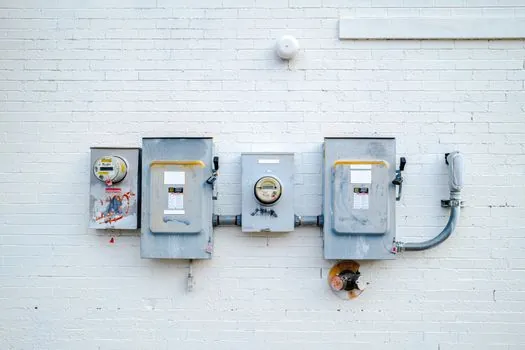
Industrial EMC immunity is governed by IEC 61000-6-2 for environments with heavy inverter drives, motor starters, and welding inverters; residential or light-industrial IEC 61000-6-1 is not adequate. Surge and fast-transient tests inside the ANSI C12.10 framework cover much of the same stress profile, but a plant-side procurement spec should explicitly call out 4 kV contact / 8 kV air electrostatic discharge per IEC 61000-4-2 and 2 kV surge per IEC 61000-4-5 on signal and auxiliary lines, not just the mains input. [S1]
For explosion-risk areas, the meter cabinet (not the meter alone) must carry the appropriate ATEX or IECEx marking, with the certificate number readable on the nameplate. The same layered logic that a fluid coupling retrofit checklist uses for guard, coupling, and brake assemblies applies here: every sub-component has its own evidence pack, and the integrator signs off the assembled system. Where flammable gas or dust is present, a dust detector compliance map running in parallel helps the EHS team defend the zoning decision.
Layer 4: regional market gates and country-specific marks
Meters sold into Mexico required CFE G0000-48-2010 for stand-alone designs, derived from the IEC meter family, and a new standard, NOM-001-CRE, took effect in 2025 with a new requirement for an extractable case to allow easy replacement [S5]. India runs a parallel TEC certification for smart electricity meters with cellular connectivity, aimed at security and data integrity under the Digital India programme, separate from the electrical safety gate [S4].
For UK revenue billing, the meter must be pattern-approved, certified, and sealed by an OPSS-appointed examiner or by an authorised manufacturer working under a self-certification authorisation that is audited by OPSS-appointed examiners [S2]. A useful sanity check: a time relay EMC immunity gate article captures the same logic, that one immunity test in one lab is not a global passport, and the same is true for meter safety marks.
Layer 5: supplier audit and certificate verification

A certificate is only as good as the issuing body's scope. For UL marks, look up the file number on UL Product iQ and confirm the manufacturer name, the specific product category, and the issue/validity dates. For MET Labs or Eurofins electrical and electronics programmes, request the lab's accreditation certificate to ISO/IEC 17025 and check the scope line for the relevant IEC or ANSI standard, because a lab accredited only for household appliances is not automatically accredited for industrial metering [S6].
For UK self-certifying manufacturers, the OPSS authorisation letter must be on file and current, and the audit cycle must be inside the validity window [S2]. Cross-reference the meter case serial against the seal number, and reject any unit where the uniquely marked security seal is missing or the indelible case inscription does not match the certificate paperwork [S2].
Decision matrix: which gate matters for which plant zone
For a light-commercial HVAC plant room with stable temperature and little dust, the binding gates are ANSI C12.1-2026 accuracy, UL flammability on plastics, IEC 61000-6-2 EMC, and IP54; pattern approval is still required for any revenue-billed circuit. For a heavy-industry cell with VFD cabinets, welding inverters, and oil mist, add IP65, 4 kV contact / 8 kV air ESD, and 2 kV surge on signal lines, and require a factory acceptance test report on the specific shipment. For a hazardous-area Zone 1 or Zone 2 location, the cabinet, not the bare meter, must carry ATEX Ex d or Ex e marking with a valid EU type examination, and the wiring entries must use Ex d or Ex e glands matched to the marking. [S3]
This three-tier framing is the same structural logic used in a servo drive RFQ spec map, where a single axis moves through a layered compliance envelope rather than a single yes/no test.
Common failure points during the audit
The most frequent reject reasons on incoming inspection are: a UL file number that traces to a different model variant, an EMC test report dated more than 36 months before shipment (most labs require a re-test after a circuit or component change), an IP rating tested on the bare meter but not on the installed cable gland, and a calibration sticker whose serial does not match the case serial. A secondary failure mode is the seal being broken in transit, which under UK rules means the unit cannot be put into service for revenue billing without re-certification [S2].
For buyers who also run automation cells, the same discipline shows up in electric motor production line cell layout work: each station has its own evidence pack, and a missing ticket stops the line.
Final actionable signals for the next 6 months: confirm whether ANSI C12.1-2026 is the cited revision on every active meter datasheet, watch for the next update to the NOM-001-CRE guidance notes from CRE in Mexico, and track any OPSS circular updating SN29500 component reliability thresholds for static meter certification periods beyond 10 years.
The underlying component specifications are covered under electricity meter, floor grinder, and clamp meter.