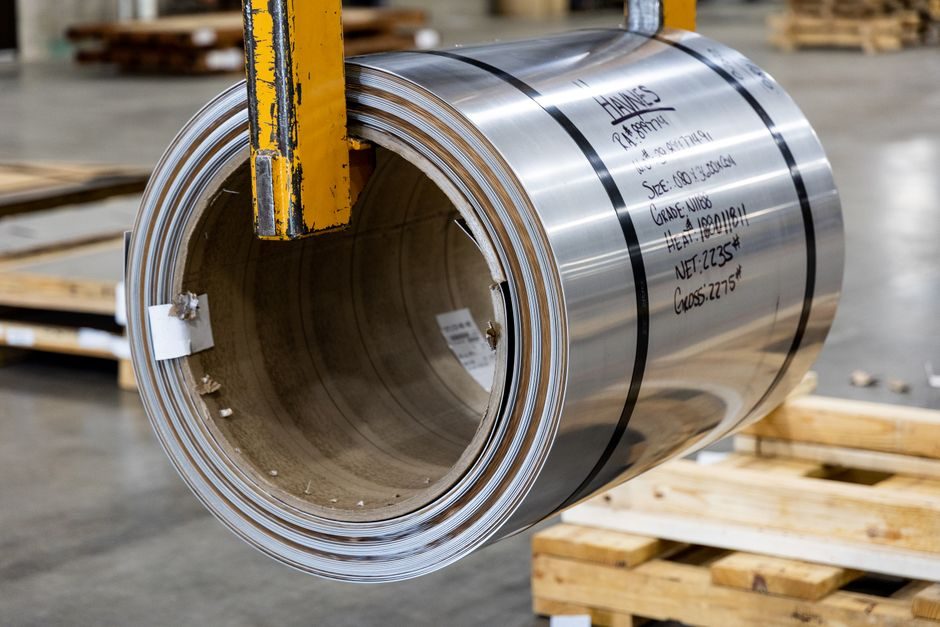
Galvanized steel sheet is a cold-rolled substrate—typically DC01 to DC04 per EN 10130—coated by hot-dip immersion in a zinc bath held near 460 °C, producing a metallurgically bonded Zn or Zn-Fe coating [S3].
The chain runs from iron ore and zinc mining, through cold-rolling mills and continuous galvanizing lines (CGL), into converters producing construction profiles, automotive body-in-white panels, HVAC duct, appliance casings, and roofing tiles [S1][S5].
Upstream Feedstock: What the CGL Pulls In
The two cost-dominant feeds to a hot-dip galvanizing line are cold-rolled full-hard or annealed steel coil and SHG (Special High Grade) zinc, with bath temperature held around 460 °C and line speeds typically 80–180 m/min on modern CGLs [S3].
Coil weight commonly sits between 10 and 25 tonnes with sheet thickness from 0.3 mm to 3.0 mm; coating mass is specified in g/m² (Z100, Z275, Z350) and the bath can run 0.2–0.4 % Al for spangle control and coating adhesion, both widely cited in mill datasheets [S1][S2].
Upstream mines (iron ore, zinc concentrate) and cold mills are concentrated: NLMK operates CGL capacity at Novolipetsk, La Louvière, Strasbourg, Dansteel, Verona, Indiana, Pennsylvania, and Sharon Coating, demonstrating the integrated cold-mill-plus-galvanizing model that defines the supply base [S1].
Coating Types Buyers Will See on a Coilshed
Hot-dip galvanizing (HDG) produces a series of zinc-iron alloy layers topped by a free zinc layer; electrogalvanizing deposits pure zinc at lower thickness, giving better formability and weldability for exposed automotive panels [S3].
Galvannealed (ZF) sheet is reheated after coating to convert the layer to a Zn-Fe alloy, which is the standard choice for press shops because the matte surface holds lubricant and paint [S1].
Commercial-grade, lock-forming-grade (LFQ), and deep-drawing-grade (DQ/DDQ) are the three temper classes cold-rolled and galvanized to EN 10130 / EN 10346, and the same EN 10346 framework covers yield strength (typically 140–280 MPa for the mild drawing grades) used by OEMs and tier-1 stampers [S2].
Downstream Channel 1: Construction and Roofing
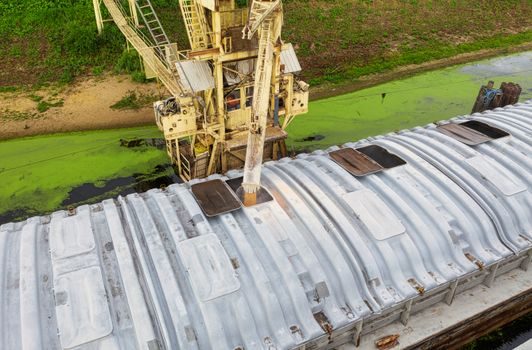
Construction consumes the largest tonnage share of galvanized sheet: structural purlins, drywall studs, cable tray, HVAC duct, and corrugated roofing tiles are routinely stamped from Z120 to Z275 hot-dip coil [S1].
Roofing-tile converters (the Yiwu and Foshan cluster in China are representative) take 0.12–0.6 mm galvanized or galvalume coil and profile it into tile sheets, ridge caps, and gutters at gauge-specific press lines [S5].
Purlins and light-gauge framing commonly target G350–G550 structural grades per AS 1397 equivalents; the substrate itself is a galvanized variant of carbon steel where the zinc layer replaces paint as the corrosion barrier.
Downstream Channel 2: Automotive and Appliances
Automotive body-in-white and chassis components draw on galvanized and galvannealed coil in the 0.6–1.5 mm range; exposed panels are typically electrogalvanized or ZF-coated for Class A paint finish, while hidden structures use Z100–Z180 HDG for cost [S1].
White-goods casings (refrigerator shells, washer bodies, microwave ovens) and small electrical enclosures consume Z100–Z150 DQ-grade HDG, where the substrate sits closer to stainless steel only in finish expectation, not chemistry—cost is the differentiator.
Total downstream of galvanized sheet is heavily correlated with two macro signals: building-starts and white-goods production, both of which feed back into CGL utilization and zinc-premium pricing.
Spec Selection: Coating Mass, Grade, and Surface
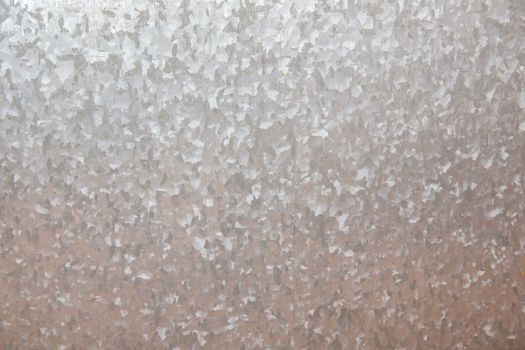
Coating choice vs. substrate type is a four-axis decision: hot-dip galvanized (HDG), electrogalvanized, galvannealed (GA/ZF), and galvalume (AZ). HDG is cheapest and most corrosion-resistant per dollar; EG is flattest and best for exposed paint; GA paints best; AZ gives 2–4× the cut-edge protection of HDG in salt-spray tests [S3].
Specifying engineers typically lock three parameters on a PO: substrate grade (e.g. DC01, DC03, DC04 per EN 10130 or DX51D/DX52D per EN 10346), coating designation (Z, ZF, ZA, AZ with mass class), and surface finish (A=regular spangle, B=minimized, C=zero spangle)—steel fiber and steel mesh share the same base metallurgy but reach the buyer as a different article form.
Standards Governing the Sheet
EN 10346 governs continuously hot-dip coated flat steel for cold forming in Europe; ASTM A653/A653M covers zinc-coated (galvanized) steel sheet in North America; AS/NZS 1397 covers the equivalent in Oceania; JIS G3302 (SGCC, SGCH) is the Japanese reference [S1][S2].
For automotive exposed panels, OEM-specific specs (e.g. the legacy SEW 095 / VW 01073 / Toyota TSH 7300 families) overlay EN 10346 with stricter surface, roughness (Ra 0.6–1.4 µm typical), and coating-mass tolerances.
Roofing-tile and purlin converters also reference the structural standard for the finished member (e.g. EN 1090 for CE-marked structural steel) rather than the substrate standard, a distinction procurement teams regularly miss.
Failure Modes and Sourcing Watch-Points
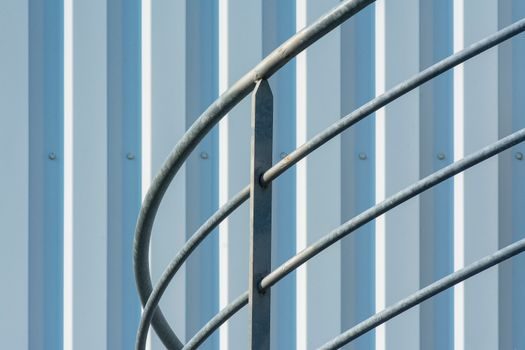
White rust (zinc hydroxide) appears within 72 h on freshly HDG-coiled stock exposed to standing water; converters therefore demand chromated, oiled, or passivated surfaces (often Cr⁶⁺-free since 2020) and dry storage [S1].
Coating adhesion failure at the bend (powdering or flaking) signals over-aged galvanneal or excess Fe in the alloy layer—conversely, fluting during stamping points to too-soft a substrate grade.
For 2026 sourcing, watch NLMK's La Louvière and Indiana line ramp status, Indian (NLMK India) cold-mill integration, and the spread between SHG zinc on the LME and Z275 HDG coil ex-works China, which together signal whether downstream tonnage growth is real or speculative [S1]. Cross-check that signal against the galvanized sheet supply chain snapshot for 2026 when negotiating Q4 frame contracts.