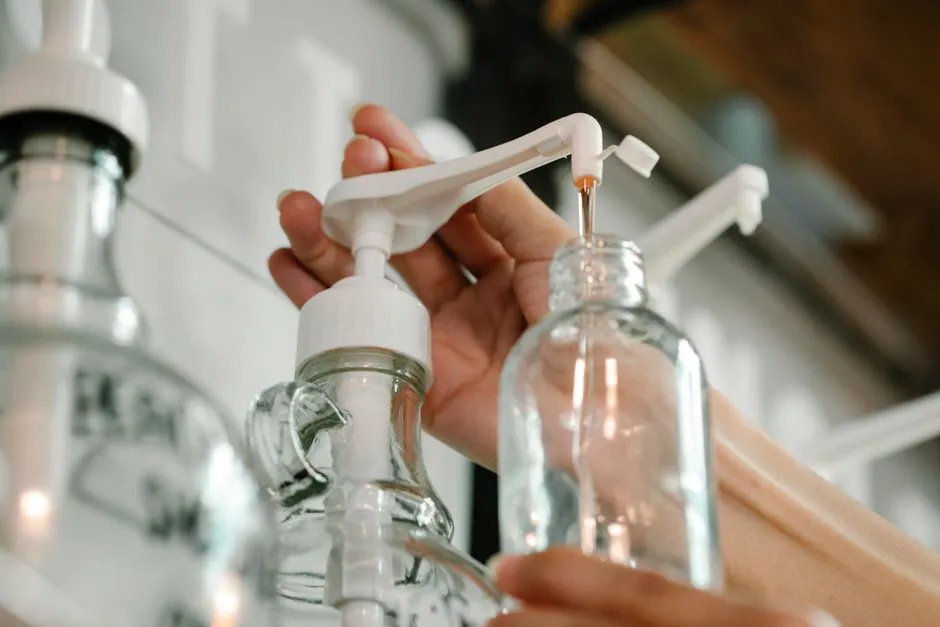
Food-grade gear pumps suit viscous products such as syrups, chocolate, oils, sauces, and tahini, with selection governed by flow, pressure, viscosity, temperature, and solids content [S1][S3][S5].
Sanitary construction, smooth internal surfaces, cleanability, CIP/SIP compatibility, and product integrity determine whether a gear pump fits the application, while the 2-inch or 3-inch NAPCO S model is sized around viscosity, flow, and pressure [S6][S7].
Gear Pump Selection Starts with the Product
Gear pumps are positive-displacement machines in which rotating gears displace liquid from the inlet toward the outlet, making them appropriate for viscous fluids including syrups, chocolate, oils, and food pastes [S3][S5].
The product definition should state nominal flow, required discharge pressure, operating temperature, viscosity range, solids size, abrasiveness, shear sensitivity, and whether entrained air is expected [S2][S3]. Ground beef, orange juice, and tahini illustrate why one pump type cannot cover every food transfer [S1]. Chocolate and syrup require viscous-liquid capability, while fruit juice may be better served by a low-viscosity centrifugal pump if solids and shear constraints permit [S5].
Comparison of Positive Displacement Alternatives
Gear pumps, rotary lobe pumps, twin screw pumps, and peristaltic pumps each address a different combination of viscosity, solids, shear, and pressure, so no single type is the default for all food and beverage duties [S2][S3][S4].
For the shortlist, use a gear pump for controlled delivery of homogeneous, viscous, clean product, and move to another positive-displacement type when solids passage, product gentleness, or solids up to 4 inches in diameter drives the decision. Pump selection should account for the ability to handle solids or particulates without clogging, with diaphragm, peristaltic, and rotary pumps evaluated according to their suitability for the application.
Sanitary Materials, Finish, and Drainability

A food-grade rotary gear pump should use corrosion-resistant materials, smooth wetted surfaces, minimal crevices, and a geometry that drains and opens for cleaning [S3][S5][S7]. Stainless steel is widely used where corrosion resistance and hygienic construction are required, including dairy, brewing, and other food-processing duties [S5].
Pump selection should consider cleanability, and electropolishing or passivation may be specified where cleanability or corrosion resistance is required. The specified finish should apply to product-contact surfaces, not merely the exterior housing.
Connections, seals, bearings, and gear materials must be compatible with cleaning chemicals and the product. CIP circulation and SIP temperatures should be confirmed against the specified model, elastomers, and geometry rather than inferred from stainless steel construction alone [S7]. A 2-inch or 3-inch S-model pump is available as a food-grade stainless rotary gear configuration, but inlet size alone does not establish capacity [S6].
Flow, Pressure, Viscosity, and Solids Constraints
Positive-displacement capacity decreases as viscosity rises, while the pressure required to drive the flow increases with friction, line resistance, and discharge head. A valid selection therefore requires the minimum, normal, and maximum flow at the minimum, normal, and maximum viscosity, not one nominal viscosity [S2][S3].
For hydraulic oil and similar high-viscosity service, canned motor pumps are a relevant comparison point, but food processing adds sanitary surfaces, drainability, and cleanability requirements that must be evaluated separately. No food-grade pressure or flow limit should be assigned to a generic gear-pump geometry because the model, speed, gear geometry, and clearances control the rated envelope [S6].
Solids are the common screening criterion. Rotary pumps can pass some solids, while diaphragm pumps with flapper checks and peristaltic pumps are designed for solids up to 4 inches in diameter [S4]. Ground beef and similar particulate products therefore require a documented maximum particle size, not an assumption that a positive-displacement pump will accept them [S1].
Cleanability, CIP, SIP, and Product Integrity
Sanitary selection starts with a smooth, crevice-free product path and easy disassembly for cleaning and sterilization [S3][S7]. For liquids that oxidize, ferment, or otherwise degrade with aeration, entrained air can cause cavitation, lower efficiency, and product degradation; a gear-pump installation should control liquid level and air ingress at the suction condition [S3].
Shear-sensitive products need careful evaluation because pumping adds mechanical energy to the liquid. Rotary lobe pumps are designed for gentle handling of viscous, shear-sensitive products, while peristaltic pumps isolate the product inside a flexible tube and suit shear-sensitive or abrasive fluids without direct contact with the wetted pumping elements [S3][S5].
For a plant-wide cleanability comparison, plug valve selection for food and beverage service should be coordinated with the pump because valve body finish, drainability, and installation orientation affect the same CIP and SIP routine. Pump and valve materials must remain compatible with the selected cleaning chemistry and thermal cycle.
When Not to Specify a Gear Pump
Do not select a gear pump for low-viscosity product when a centrifugal pump offers a better hydraulic fit, for large or variable solids without a documented passage limit, or for product that cannot tolerate the air entrainment and mechanical shear associated with the installation [S3][S4][S5].
Do not select a gear pump by horsepower alone. A large axial-flow pump may be more appropriate for bulk movement of low-viscosity liquid in breweries and wineries, while a gear pump remains better suited to positive-displacement transfer of viscous food streams [S5]. For metering duties, a dedicated metering pump can provide controlled displacement where the application requires dosing rather than bulk transfer.
The operating envelope must also exclude conditions that exceed the selected motor, drive, seal, bearing, and wetted-material ratings. If the available material provides no flow or pressure figures, obtain them from the proposed model before approval, using the 2-inch or 3-inch S-model designation only as an initial configuration reference [S6].
Specification and Supplier Qualification
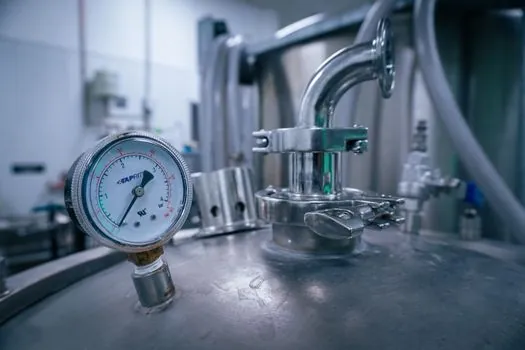
A procurement package should require product-contact material declarations, surface-finish limits expressed in Ra, maximum solids size, viscosity and temperature ranges, rated flow and pressure, seal arrangement, CIP/SIP compatibility, drainability, and required utilities [S2][S3][S7]. The data should identify the exact model rather than rely on a family name.
Specify whether each connection is clamp, ferrule, threaded, or another sanitary interface, and state the required elastomer material for the product and cleaning cycles. For a 2-inch or 3-inch S model, request the viscosity-specific capacity curve, maximum permitted solids, permitted operating temperature, and available material options [S6].
Factory or site acceptance should verify flow at a defined viscosity, leakage or inspection criteria, rotation direction, noise expectations, and cleaning access. The final shortlist keeps a gear pump when the product is clean and viscous, solids are controlled, hygienic flow and pressure are available, and the selected model has documented CIP/SIP and material limits [S1][S3][S6].
Record the selected pump model, duty point, viscosity range, solids limit, Ra finish, connection type, elastomer grade, and CIP/SIP conditions in the datasheet and installation file. Any later change to viscosity, temperature, solids, or cleaning temperature should trigger a capacity and material review before the pump remains in service.