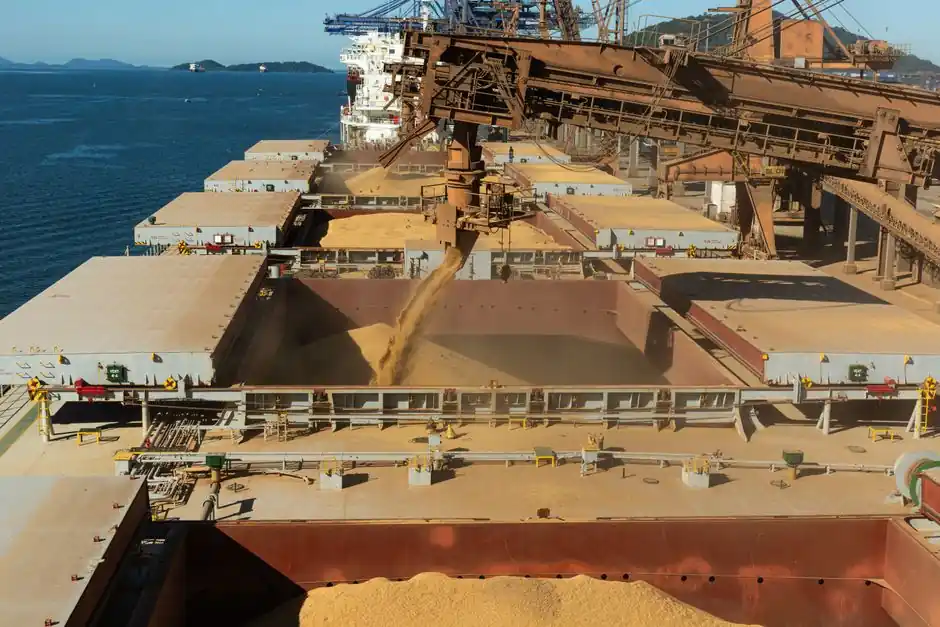
Chinese industrial hydraulic filter elements listed on Made-in-China.com on 2026-07-02 ship at a US$5.00–20.00 price band with a 5-piece minimum order quantity, anchored by ISO 9001:2015 audited suppliers such as Shanghai Weike Machinery Electricity Co., Ltd. [S2].
The sourcing footprint now stretches from Hunan-based sensor and equipment clusters inspected under provincial supply-chain modernization calls in July 2020 [S1] to the November 2026 launch of Indonesia Supply Chain at NICE Jakarta, backed by Deutsche Messe and the CeMAT network [S3]. Together these nodes define the 2026 filter sourcing map for procurement engineers.
China OEM Price Bands and MOQ Structure
Filtration equipment and filter element categories on Made-in-China.com cluster around three MOQ tiers: small-lot prototyping at 5 pieces, mid-volume runs in the 50–200 piece band, and container-load OEM runs above 1,000 pieces, with replacement hydraulic filter elements cross-referenced against Hydac, PALL, and Donaldson part numbers as the de facto compatibility shorthand [S2].
ISO 9001:2015 is the dominant quality-system claim on audited supplier profiles, while CE and API specifications surface on higher-tier hydraulic and process filter SKUs [S2]. Buyers mapping Chinese OEM capacity to European plant standards should anchor qualification on the QMS certificate number, not the listing badge, because Made-in-China.com filters surface both audited and un-audited factories under the same category header [S2].
Regional Consolidation: ASEAN Logistics Platforms
Supply Chain Indonesia 2026 runs 25–27 November 2026 at the Nusantara International Convention & Exhibition (NICE, PIK 2) in Jakarta, with Deutsche Messe, CeMAT, LogiSYM, and Debindo as co-organizers [S3]. The exhibition profile covers transport and freight, warehousing and material handling, supply-chain technology (IoT, AI, blockchain), manufacturing support, sustainability, infrastructure, express freight, and cold-chain niches, giving filter buyers a single regional touchpoint for end-to-end sourcing discussions [S3].
For filter procurement, the November Jakarta event functions as a regional qualification venue: warehouse filtration, compressed-air line filters, and hydraulic reservoir breathers all sit under the Material Handling and Manufacturing Support tracks, and the event's co-location with LogiSYM Indonesia 2026 means maintenance and reliability engineers are present alongside procurement leads [S3]. Sourcing managers should treat the November show as a 90-day lead-time compression event rather than a pure marketing showcase.
Policy and Modernization Signals from Upstream Provinces
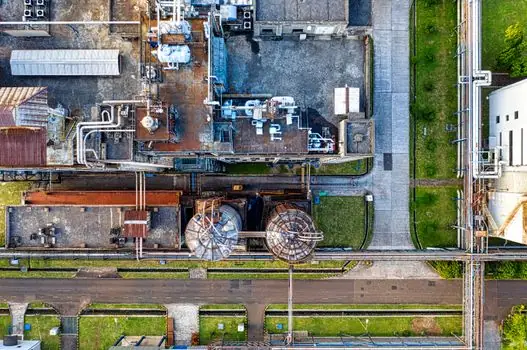
Hunan's provincial inspection tour on 21 July 2020 called for breakthroughs in core technologies, support for industrial chain improvement, and active participation in the dual-circulation development pattern with domestic markets as the mainstay [S1]. The tour covered Liuyang and Changsha economic development zones, including stops at Hunan Chnteck Sensor Technology and Sunward Intelligent Equipment, two firms that feed sensor and intelligent-equipment inputs into filtration skid builders [S1].
For filter supply chains specifically, the policy signal matters because filter skids integrate pressure transmitters, differential pressure switches, and PLC controllers, all of which depend on the sensor and intelligent-equipment clusters Hunan has prioritized. A disruption or capacity expansion inside those clusters propagates directly into filter-skid delivery dates, and a related dynamic plays out across pneumatic actuator supply chains, which share the same solenoid and valve-actuator upstream.
Selection Criteria: Hydraulic, Process, and Compressed-Air Filter Classes
Three filter classes dominate 2026 industrial procurement: hydraulic in-line elements, process liquid filter presses, and compressed-air line filters, each with distinct collapse-pressure, beta-ratio, and ISO 4406 cleanliness code requirements. [S2]
Hydraulic elements on the Chinese OEM market target collapse ratings of 210 bar standard and 420 bar high-pressure series, with glass-fiber and stainless-steel wire mesh media; process filter press units from the same supplier pool run 1–50 m² filter areas and 0.6–1.0 MPa working pressure [S2]. Compressed-air coalescing and particulate filters typically stack in 0.01 µm, 1 µm, and 25 µm grades, and the relevant operating envelope for an industrial filter depends on ISO 8573-1 air quality class, not on brand alone.
Lead-Time, Risk, and Sourcing Strategy

Shanghai-tier OEM quoted lead times for hydraulic filter elements run 7–15 days for stocked cross-reference parts and 25–40 days for custom micron ratings, while European-rebadged equivalents run 6–12 weeks [S2]. The price gap between Chinese OEM and European-rebadged equivalents commonly sits in the 40–70% band at the element level, narrowing as collapse-pressure and beta-ratio specifications tighten.
Procurement risk in 2026 concentrates at three points: stainless-steel mesh media supply (shared with ferrochrome and ferrosilicon upstream power-cost exposure), filtration skid sensor imports (tied to Hunan provincial capacity expansion), and ASEAN inbound logistics capacity (tied to the November 2026 Jakarta exhibition's promised freight and warehousing tracks) [S3]. Sourcing managers hedging across these three nodes can use the November show to validate freight capacity contracts before Q1 2027 PO placement.
Standards, Certification, and Qualification Discipline
ISO 9001:2015 is the floor QMS expectation; ISO 14001:2015 environmental certification and ISO 45001:2018 occupational health certification appear on a smaller subset of audited suppliers [S2]. For hydrocarbon and chemical-service filters, ASME Section VIII pressure-vessel code applies to the housing, while the element itself is qualified against ISO 2941, ISO 2942, and ISO 16889 for collapse, fabrication integrity, and multipass filtration performance respectively.
Buyers should pin the QMS certificate number, the element test standard (ISO 16889 multipass beta-ratio, not single-pass efficiency), and the housing PED/ASME category in the PO, because listing badges on B2B portals do not guarantee a specific test method. The same discipline applies when qualifying an industrial UPS for a filtration control panel, since the control-side power quality is just as critical as the filter element beta-ratio.
Trackable next signals: the 25–27 November 2026 Supply Chain Indonesia exhibition floor plan release and the Hunan sensor-cluster capacity expansion announcements following the 2020 provincial modernization call are the two near-term nodes that will move filter-skid lead times through Q1 2027 [S1][S3].
For the relevant spec sheets and selection criteria, see power supply.