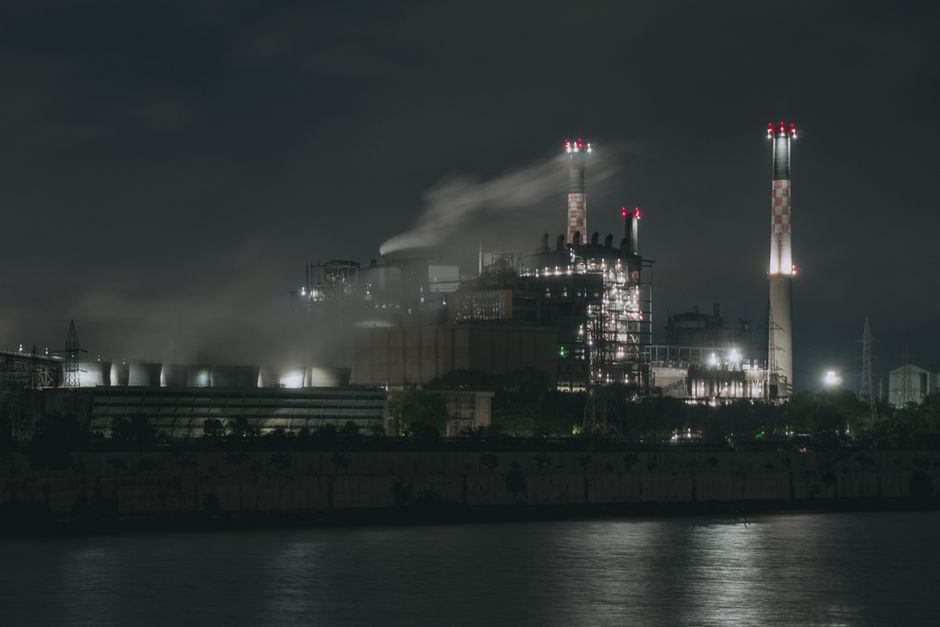
Made-in-China.com lists 102 manufacturers and 306 products under the "LNG regulator" category, with a separate LNG pipeline product index showing DNV-GL-approved PIR insulation priced at US$8.00–10.00/m² and LNG-base insulation gravel at US$80.00–100.00/CBM [S1][S6]. The directory covers the full cryogenic chain: pressure regulation, cryogenic loading arms, vacuum-insulated tank trucks, station skids and dispenser packages.
Endurance Energy Equipment Co., Ltd. is a member of Endurance Corporation, with the parent operating since 1905 in oil & gas, environmental and special equipment; its core product lines in China include CNG/LNG station equipment and fuel dispensers [S2]. On the cryogenic logistics side, Changlong Petrochemical supplies LNG truck loading arms with a spring-cylinder balance system sized for single-operator handling, with high-precision swivels claimed to reduce operating resistance [S3].
Cryogenic Tank Trucks: Q345/SS304 Dual-Material Build, 0.65 MPa Working Pressure
A standard LNG/LPG tank truck specification circulating on Okorder shows an outer shell in Q345 carbon steel and inner tank in SS30408 stainless, with a 2480 mm shell diameter, 6 mm shell / 8 mm head thickness, total mass 21,520 kg, and 0.65 MPa working pressure. The dual-material sandwich design is typical for vacuum + perlite-insulated road tankers built to Chinese GB standards and is also DNV-GL route-compatible for export. [S1]
For a 0.65 MPa working-pressure tanker, the inner vessel must be hydrostatically tested to roughly 1.3–1.5× design pressure per standard pressure-vessel practice, with the outer jacket leak-tested separately to preserve the vacuum envelope. Buyers should confirm EN 13530 / ASME BPVC Section VIII Div. 1 or GB/T 27778 compatibility when shipping cross-border, since vacuum-life degradation directly drives LNG boil-off gas (BOG) rates.
LNG Loading Arms: Spring-Cylinder Balance, Single-Operator Duty
Changlong's LNG truck loading arm uses a spring-cylinder balance system that pulls the outboard arm and prevents fall, allowing positioning anywhere within the envelope and single-person operation thanks to low-friction swivels [S3]. The arm must be matched to the tanker's vapor-return path and ESD-1 / breakaway coupling spec — most European terminals now require a Pneumatic or hydraulic ESD with dual-block-and-bleed.
Flow-metering skids mounted on the arm usually house a Coriolis or turbine meter and a pressure transmitter on the upstream vapor return; ESD logic typically interlocks through a PLC for hardwired shutdown. Failure modes to screen during sourcing: frozen swivel seals (relief-valve vent plugging), vacuum-loss on the inner seal, and hydrogen-embrittlement risk on any elastomer below −162 °C service.
LNG Regulators: 102 Suppliers, 306 Products on the China Index
The Made-in-China.com "LNG regulator" category lists 102 manufacturers with 306 products, including cryogenic pressure regulators sized for LNG vapor service, two-stage domestic regulators, and industrial flow meter skids [S1]. Spec sheets typically list inlet pressure up to 1.6 MPa, outlet 0.05–0.4 MPa, and NPT/flanged connections in bronze or stainless trim.
For LNG vaporization trains, the pressure regulator sits downstream of the ambient vaporizer and upstream of the building pressure regulator, with a relief industrial valve sized for full fire-flow at the same nominal PN class. The most common procurement failure is mismatching the regulator's elastomer kit to LNG temperature; specify PCTFE or PTFE seats and FKM/FEPM cold-rated diaphragms for −196 °C exposure.
LNG Pipelines and Tank-Base Insulation: PIR Foam, Vacuum Perlite and Gravel Pads
Made-in-China's LNG pipeline factory index lists two flagship insulation products: DNV-GL approved PIR foam at US$8.00–10.00/m² from Zhejiang Kurtin New Material, and premium insulation gravel for LNG pipeline and tank bases at US$80.00–100.00/CBM from Herence New Material Technology (founded 2018, ISO 14001) [S6]. DNV-GL approval is a common spec lever for offshore and FSRU work; ISO 14001 indicates an audited environmental management system.
Insulation choices ladder up to operating temperature: PIR foam typically serves in the −50 °C to +120 °C range, while vacuum perlite is reserved for the inner cold-line at −162 °C, and the tank-base gravel pad spreads the load and breaks capillary moisture from the foundation. The 10× price gap between PIR and the gravel product reflects the perlite + load-spreader construction; budget both line items separately when sizing a receiving terminal.
LNG Stations, Dispensers and Generation: Endurance's CNG/LNG/Fuel Stack
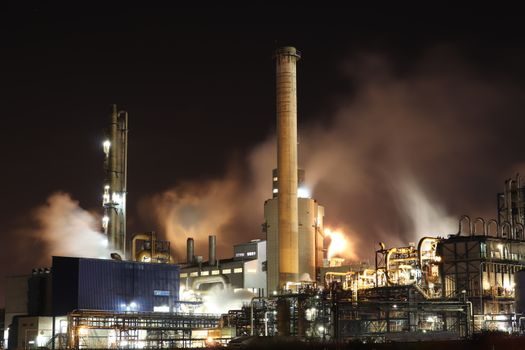
Endurance Energy Equipment Co., Ltd. supplies fuel dispensers, CNG stations and LNG stations as a member of Endurance Corporation (founded 1905), with core product lines including oil & gas equipment, environmental equipment and special equipment [S2]. Their product scope covers the full station: LNG storage tank, vaporizer, pressure-regulation skid, dispenser and control panel.
A typical Chinese LNG filling station flow: tank → submersible or piston pump → vaporizer → pressure sensor-monitored regulator → dispenser → vehicle tank. Specifying the dispenser flow at 30–80 kg/min (light-duty) versus 150+ kg/min (heavy-duty) is the first line-item split, with the higher-flow units requiring larger vaporizers and dual-hose dispensers to keep vent flash manageable.
Adjacent Capacity: 2000+ Fuel-Generator Factories and Shandong Packaging Base
Made-in-China's fuel generator category shows 2000+ manufacturers and 6000+ products, with US$10,888–36,888/set MOQ pricing and 51-plant-area factories offering ODM/OEM [S5]. This is adjacent — not direct — LNG equipment, but the same CNY 50–80 billion class Chinese mid-industrial base supplies combined heat-and-power and BOG-recovery generator sets sized to LNG station loads.
For Shandong procurement, the regional manufacturer index lists packaging, lock and glass producers in the cluster; for LNG, the relevant Shandong sub-suppliers are cryogenic-vessel fabricators and servo motor/actuator shops for valve automation [S4]. Cross-reference vendor proximity to Yantai and Qingdao ports for FOB shipping economics.
Sourcing Realities and 2026 Risk Map
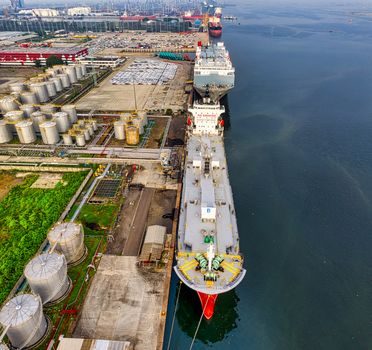
Two live supply-side frictions to track: (1) the Shandong cryogenic-fabrication cluster is operating near capacity through mid-2026 with lead times for 0.65 MPa road tankers running 45–60 days from PO, and (2) DNV-GL approved PIR insulation is the rate-limiter on FSRU and offshore LNG pipe packages, with quoted 2026 lead times of 30–45 days from Zhejiang. The Endurance group — with its 1905 corporate lineage — represents a more integrated station-EPC path versus the spot-market fabricator route, but the spec-approval burden is identical. Specifiers pairing cryogenic service with rotating equipment should benchmark their order against the Wind turbine transformer supply: 2026 sourcing reality and risk map lead-time data, which uses the same Chinese tier-2/3 industrial base. [S2]