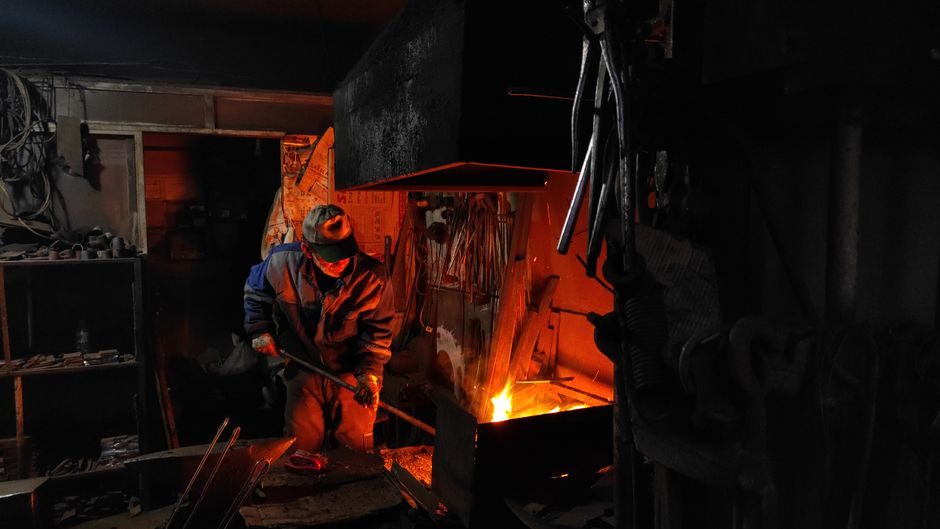
Melting furnaces break into six practical families — induction, gas-fired (regenerative / crucible), resistance/muffle, electro-slag remelting (ESR), cupola and arc/vacuum — and the choice is driven first by metal, then by throughput and cleanliness target [S1][S2].
For aluminium specifically, 2026 Chinese export offerings cluster in two price bands: 10-tonne regenerative tilting units around US$108,000/set and small induction or muffle porcelain/glass melters in the US$9,000-90,000 range, with induction units dominating the high-volume ferrous and scrap-steel segment at 1,800°C capability [S2][S4][S1].
Heat-source taxonomy: six families the spec engineer actually sees
Six heat-source families cover the 2026 commercial market: induction (medium- and high-frequency IGBT or thyristor), gas-fired crucible and regenerative, resistance-heated muffle, electro-slag remelting (ESR), cupola, and arc/vacuum — each pinned to a specific metal/temperature envelope [S1][S3].
IGBT induction units from Henan IRIS are quoted for 1-ton stainless-steel melts and 1,800°C steel-scrap service, while regenerative aluminium units claim 30% fuel savings against conventional reverb furnaces by recovering waste-gas heat through dual-chamber regenerator brick packs [S1][S6]. Cupola furnaces remain the workhorse for cast-iron production and are discussed in detail in the cupola furnace encyclopedia entry; ESR sits at the high-purity end for aerospace and nuclear ingots above 150 tonnes raw weight [S3].
Induction melting: medium-frequency, IGBT, and the 1,800°C iron benchmark
Medium-frequency coreless induction furnaces have become the default 2026 choice for ferrous scrap melting, with 1-tonne IGBT units quoted for stainless steel and dedicated 1,800°C ratings published for steel-scrap service [S1].
Induction couples a water-cooled copper coil to a crucible through electromagnetic stirring — a benefit on alloy homogeneity that gas and resistance furnaces cannot match. General background, including crucible selection for induction melting, is covered in the induction furnace reference; for very small precious-metal loads the same family also covers digital gold/silver melters rated below 1,100°C continuous (1,150°C max intermittent) [S1][S5].
Aluminium: gas regenerative vs gas crucible vs induction — the cost / capacity / loss tradeoff
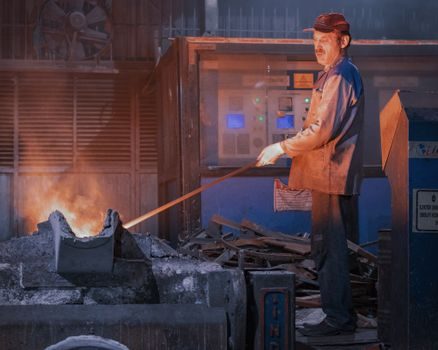
Aluminium foundries in 2026 choose between regenerative tilting furnaces (10-50 t class, US$100,000-110,000/set), gas crucible furnaces and induction crucible furnaces, with metal loss, dross formation and energy per tonne being the three decisive spec lines [S2][S6].
Regenerative units use two refractory-packed chambers that alternately absorb heat from exhaust gas and preheat combustion air, delivering the 30% fuel saving claim versus single-chamber reverb furnaces; construction is either full castable or high-alumina brick + castable hybrid in round or rectangular layouts [S6]. For smaller batches the gas-fired crucible furnace remains common, and for tight temperature control the gas-aluminum-melting-furnace variant dominates scrap-to-billet aluminium casthouses. Induction aluminium melting cuts melt loss versus gas but raises electricity demand; the holding furnace is the matched downstream unit for melt storage at 680-720°C before pouring [S2][S6].
ESR: the 150-tonne, 2,300 mm-mold niche for high-purity alloys
Electroslag remelting (ESR) is the remelting route for high-performance alloys, producing ingots from 250 mm to 2,300 mm diameter and above 150 tonnes raw weight, with a 500 kg / 240 mm laboratory-scale variant for small ingot development [S3].
ESR passes AC current through a superheated slag pool; the consumable electrode melts drop-by-drop through the slag into a water-cooled mold, yielding directionally solidified ingots free of hydrogen flakes, macro-segregation and central void — properties the aluminium and cast-iron families cannot reach [S3]. A multi-process lab unit combining VAR, ESR, PESR, IESR and VESR in one chamber can run under inert gas up to 70 bar, useful for aerospace superalloys, ball-bearing steels, nickel-base alloys and high-nitrogen steels — see ALD's published furnace types [S3]. For bulk smelting of iron-bearing feed the melting furnace overview page lays out how ESR sits against induction, cupola and arc options in the wider taxonomy.
Die-casting integration: cold-chamber vs hot-chamber furnace pairing
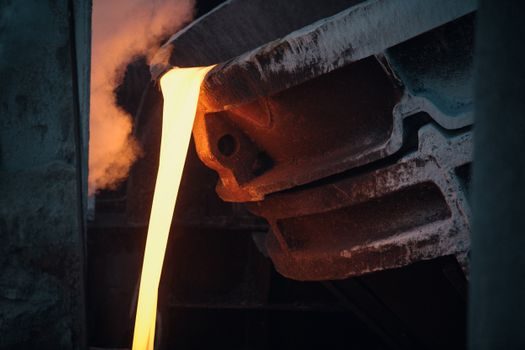
Die-casting lines pair melting furnaces to either cold-chamber (aluminium, magnesium, brass) or hot-chamber (zinc, lead, tin) machines, with the metal choice and shot weight driving furnace selection [S8].
Used-melting-furnace inventories for die casting in 2026 list non-ferrous-centric crucibles sized for zinc, copper, aluminium, lead, magnesium, pewter and tin-based alloys, with separate holding furnaces staged between melt and shot sleeve to keep pouring temperature within ±5°C for alloys that skin over quickly. The selection logic for the magnesium side — including 10-year TCO lines for magnesium die casting machine installations — shows how furnace pairing drives downstream machine choice, while the zinc die casting machine side favours hot-chamber crucible furnaces with much lower melt-loss numbers. For the metal forming and fastener lines that often share the same cast-house floor, the industrial fastener manufacturing spec map shows how induction and ESR outputs feed straight into cold-heading stock.
Decision criteria: how to pick a furnace family in 2026
Pick the family from four criteria in this order: (1) metal and target temperature, (2) throughput in t/day, (3) cleanliness and alloy specification, (4) energy source and operating cost — and the answer usually narrows to one or two types [S1][S2][S3].
Working-level table: induction wins for ferrous and stainless scrap up to 1,800°C with 1-30 t batches, best stirring and alloy homogenisation; gas regenerative wins for aluminium 10-50 t with 30% fuel savings; gas crucible wins for small-batch non-ferrous and precious metals below 1,150°C; resistance muffle wins for porcelain, glass and lab/ceramic melts at US$9,000 entry price; ESR wins for aerospace/nuclear ingots above 150 t and 2,300 mm molds; cupola wins for continuous cast-iron production. The rebar bender working map shows the same kind of family-by-criteria logic in a different metal-forming line, and the galvanized steel coil selection guide tracks how downstream forming lines inherit constraints from the upstream melt route.
Limitations, failure modes and what's trackable next
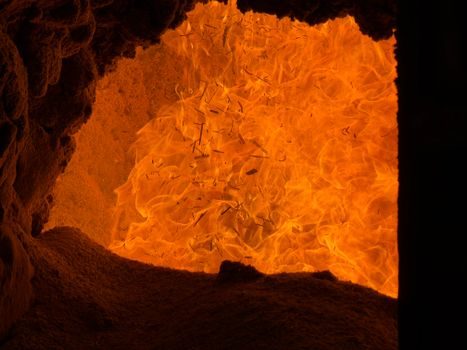
Each family has a hard failure mode the spec engineer must price in: induction coils fail on cooling-water fouling, gas regenerators lose savings on refractory leakage, ESR molds crack on water-flow imbalance, and muffle elements degrade when held at maximum temperature continuously [S1][S3][S5].
ALD Vacuum Technologies documents ESR mold diameters up to 2,300 mm, with raw ingot weights above 150 tons. A conveyor sorting line spec map and a steel strand installation guide are unrelated to melting but sit in the same kind of working-engineer's reference set; the industrial rubber installation guide tracks a different process family entirely.