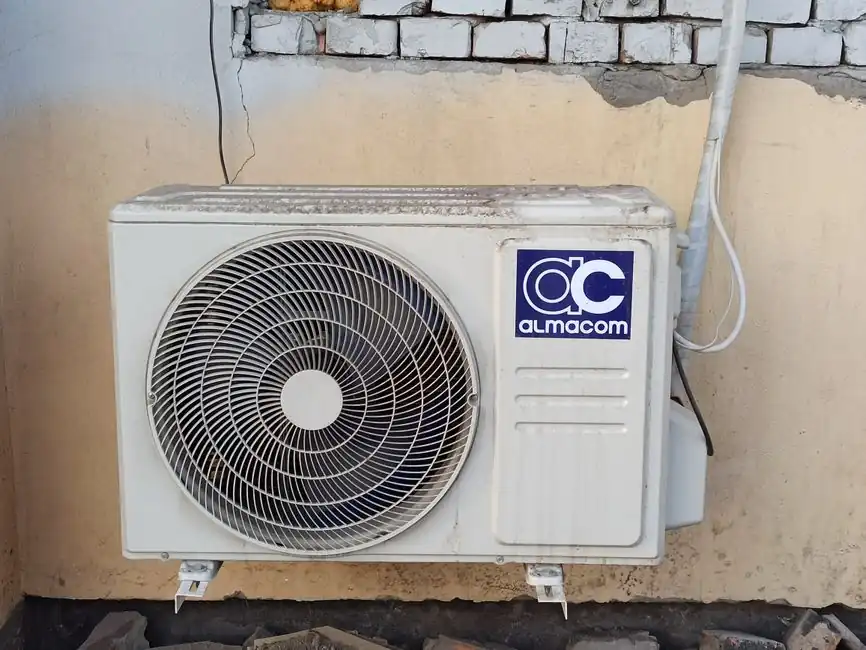
For HVAC field work, the practical oxy-fuel cutting torch package is a balanced-pressure hand torch (or machine torch for plenum and duct shop fabrication) accepting a Type 41 cutting tip sized to the plate thickness, fed by fuel gas plus 99.5 percent minimum oxygen at a cutting pressure in the 200 to 400 kPa window [S3][S5].
HVAC cutting is dominated by mild-steel components: black iron pipe, sheet-metal duct transitions up to about 6 mm, structural support channel, plate flanges, and boiler/heat-exchanger casing that commonly lands in the 6 mm to 25 mm range [S3][S5]. Oxy-fuel suits that envelope because it is an oxidation process: the preheat ring brings steel to its kindling point around 870 to 900 degrees Celsius, and a central oxygen jet burns the iron to oxide and ejects the molten slag from the kerf [S3][S5]. For a related reference on torch construction and fuel-gas behaviour, the oxy-fuel cutter encyclopedia entry gives the burn-principle, tip-chart, and standards background used throughout this article.
Cuttable Envelope: What an HVAC Torch Must Reach
Hand torches with a Type 41 cutting tip size 8 cover 3 mm to 8 mm steel, size 12 covers roughly 8 mm to 20 mm, and size 15 reaches 20 mm to 50 mm, so an HVAC service truck that handles ductwork, pipe saddles, and a boiler shell should keep sizes 8, 12, and 15 on the truck [S3]. For shop-built rectangular duct and welded plate fittings, a portable CNC oxy-fuel machine torch on a track, with a 30 mm or 32 mm outer-diameter shank and an M16 by 1.5 inlet, supports the same G02 acetylene or G03 propane tip series used on hand torches, at 180 mm, 250 mm, 300 mm, 370 mm, and 450 mm barrel lengths to clear different machine heights [S2]. The useful cuttable envelope is 6 mm to 300 mm of structural steel; below about 6 mm, oxy-fuel is wasteful and below 3 mm it is impractical, so the tool belongs to the heavy end of the HVAC scope rather than the sheet-metal trim end [S3][S5].
Fuel Gas Decision: Acetylene, LPG, or Propylene
Acetylene produces a flame temperature of 3,150 degrees Celsius (5,700 degrees Fahrenheit) when combined with oxygen, the highest of the common fuel gases, and it is the only fuel that welds steel, so a mixed welding-plus-cutting crew still has reasons to run acetylene [S1][S6]. For a pure cutting crew, LPG and propylene cut nearly as fast, cost roughly half per cubic metre in many regions, and do not require a dissolved-acetone cylinder with the attendant stability and transport rules, so a high-volume HVAC shop often runs two parallel outfits [S1][S6]. The trade-off is preheat speed: acetylene brings plate to kindling faster and pierces faster, which matters on rusty plate and on quick field cuts, while LPG is the lower-running-cost choice for repetitive shop plate work [S1][S6][S9]. The torch body is the same; the change is the tip, with a G02-series for acetylene and a G03-series for propane/LPG on a balanced-pressure machine torch [S2][S7].
Tip Sizing, Nozzle Type, and Injector vs Balanced-Pressure Mixers
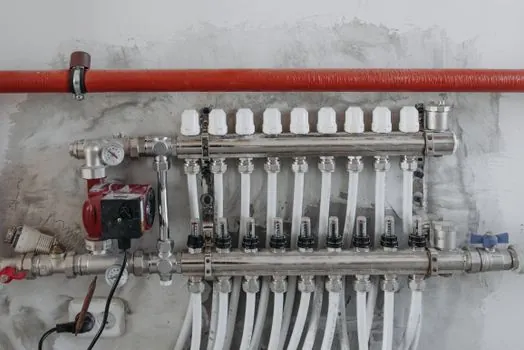
A cutting tip is a Type 41 nozzle: a ring of preheat orifices around a central cutting-oxygen orifice, with each size rated for a thickness band [S3]. Sticking the wrong tip on a job either wastes oxygen on a too-large tip (the cut stalls in the kerf) or fails to penetrate at all on a too-small tip (the operator cranks the pressure until the tip pops) [S3][S5]. The mixer design in the torch body matters as much as the tip: equal-pressure torches require matched fuel and oxygen pressures from the regulators and are the older style, while balanced-pressure (also called injector) torches pull fuel gas through an injector jet using high-pressure oxygen, so they tolerate a wider regulator range and are the dominant style on modern HVAC service trucks and on portable CNC machines [S4][S7]. A typical stainless-steel G01-series injector torch lists 3 mm to 300 mm cutting capacity, takes oxygen plus acetylene/propane/LPG/natural gas, and uses a high-purity copper head in the better-built variants rather than the more common forged brass [S4][S2].
Pressures, Oxygen Purity, and Flashback Arrestors
Cutting oxygen pressure at the torch usually sits between 200 and 400 kPa (30 to 60 psi) for general plate work, with the exact figure set by the tip chart that ships with the nozzle, not by guesswork [S3]. Industrial cutting oxygen should be 99.5 percent or higher; each one percent drop in purity can reduce cut speed by roughly 10 to 15 percent and raise oxygen consumption, because the inert fraction does not oxidize iron and instead cools and dilutes the kerf, so high-volume HVAC fab shops feed their torches from high-purity pipeline or bulk liquid oxygen rather than a 93 percent medical cylinder [S5]. On the safety side, AS 4603 requires flashback arrestors on both the oxygen and fuel lines at the torch or regulator, with AS 4839 covering the broader setup procedure, and a backfire (a small pop that stays in the torch) is a different event from a flashback (the flame travels back up the hose into the regulator) and demands an immediate gas shutdown, not a shrug [S3]. For deeper system-level plumbing context on field installation workflows, this theodolite spec map for plumbing installation outlines how other HVAC tools are specced to the same field-tolerance envelope.
Torch Selection Matrix: Hand vs Machine, Acetylene vs LPG, Light vs Heavy
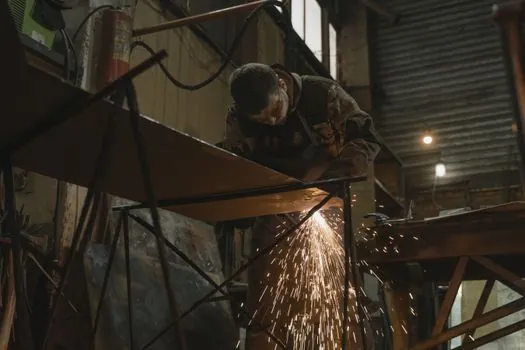
Torch selection for HVAC splits along three decision criteria: portability, capacity, and fuel-gas running cost. A light-duty hand torch with a 1-1-101 through 3-1-101 tip series cuts up to about 100 mm of plate in intermittent field cuts, weighs under 5 lb with the handle, and is the right call for a service truck doing pipe and saddle work [S1]. A heavy-duty combination torch adds welding and heating attachments on the same handle, costs more up front, and is the right call for a shop or a multi-trade crew that brazes, heats, and cuts [S4][S9]. A portable CNC machine torch (180 mm to 450 mm barrel, M16 by 1.5 inlet) is the right call for a duct fab shop running repetitive straight cuts on plate up to 25 mm, and it accepts the same G02 acetylene and G03 LPG tip series used on hand torches, so a shop can standardise on one tip stock [S2][S7]. On fuel gas, acetylene wins on preheat speed and on any welding the crew still does, while LPG or propylene wins on per-metre cost, cylinder stability, and a simpler supply chain for a pure cutting crew [S1][S6][S9].
Failure Modes and When to Replace Rather Than Repair
The recurring field failures on HVAC torches are: (1) cuts that stall in the kerf, almost always wrong tip size for the plate, low oxygen purity, or a clogged cutting-oxygen orifice from slag spatter, all correctable by tip swap, fresh cylinder, and a tip-cleaning drill respectively [S3][S5]; (2) backfires that recur on the same torch, usually a loose tip seat, a cracked tip, or a damaged injector jet, which means the torch head should be replaced rather than reseated, because a cracked injector will not hold a seal under working pressure [S3][S4]; (3) leaks at the hose connections, almost always at the nut rather than the hose itself, and AS 2473 specifies LH (left-hand) threads on acetylene and LPG fittings so an oxygen and a fuel fitting cannot be physically cross-mated, which is the single most common life-saver on a busy truck [S3]. Consumable policy is also a spec gate: cutting tips should be replaced when the preheat orifices oval out or the central cutting orifice erodes, not when they look black, because an eroded tip cuts slow and wastes oxygen long before it stops cutting entirely [S2][S3]. For background on related torch-side consumables, the marine HVAC reference and the welding and cutting tool encyclopedia entry cover the standards and the related hand-tool context.
Standards, Sourcing, and Sizing Acceptance Criteria
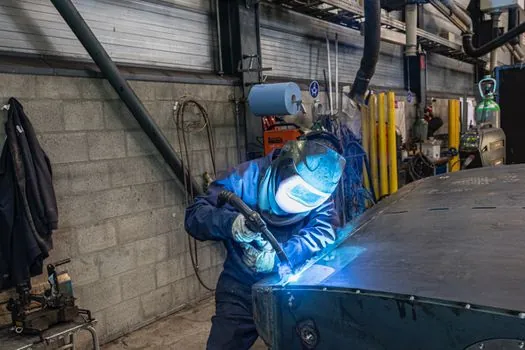
Acceptance for an HVAC torch on delivery is straightforward: the torch lights and holds a stable neutral flame on the specified fuel, the cutting oxygen lever delivers a sharp, focused jet with no side leakage, the injector (if balanced-pressure) pulls fuel against a closed fuel valve, and the marked inlet threads match AS 2473 oxygen (RH) on the oxygen side and acetylene/LPG (LH) on the fuel side, with AS 4603 flashback arrestors fitted at both torches and regulators [S3]. ISO 9013 governs thermal cut quality class, ISO 17916 covers thermal-cutting machine safety, and ISO 5175 covers flashback arrestor performance, which together set the spec floor a procurement engineer should reference when accepting an unfamiliar brand [S5]. A verified signal to track over the next quarter: whether your HVAC shop is moving acetylene-heavy or LPG-heavy, because the running-cost gap is wide enough that a 10 to 20 percent LPG share in a shop's gas spend is normal, while a 90 percent LPG share usually means the crew has stopped welding and should be checked for whether that is intentional, and a 90 percent acetylene share in a pure cutting shop usually means nobody has re-priced LPG in the past year. For related reading on how torch-class selection fits into broader HVAC field-installation toolchains, the TIG welder spec map for HVAC field installation and the oxy-fuel cutting torch picks for tunnel construction lay out the adjacent spec envelopes.