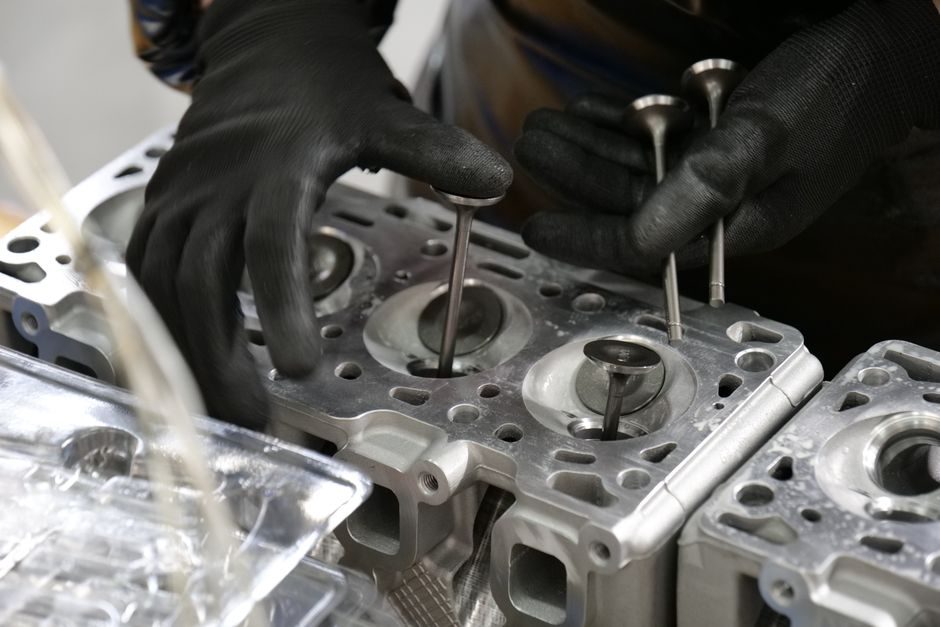
Pneumatic valve actuator list prices on factory-direct channels run from about US$4.00 to US$309.00 per piece as of May 2026, with most mid-range double-acting rack-and-pinion units for ball and butterfly service clustering in the low double-digit to low hundred-dollar band depending on size and certification [S9][S8].
The spread is structural, not random: torque output, body material (aluminum vs. stainless steel vs. carbon steel), certification (ATEX, IECEx, SIL), and configuration (single-acting spring-return vs. double-acting) move the price more than any marketing line item, and each of those variables scales roughly independently of the others [S1][S2][S3].
What Drives the Price: The Four Levers
Torque output is the single largest cost driver across rack-and-pinion and piston designs: the MAROS Mosfe series spans 4 Nm to 13,367 Nm and is offered in single- and double-acting variants with body options in aluminum or stainless steel, an envelope that crosses most process-industry butterfly and ball-valve duties [S2]. Smaller compact quarter-turn units such as the Max-Air MT series cover a 3 Nm to 5 Nm (2.21–3.69 ft.lb) bracket at 40–150 psi (2.76–10.34 bar) supply, positioned for miniature ball valves and instrument manifolds rather than line-size service [S6].
Body material is the second lever: aluminum bodies dominate the commodity end and are the default for ISO 5211-interface units, while stainless steel (SS304, SS316) typically adds 30–60% to the body cost in OEM quotes and is selected for corrosive chemical or hygienic service [S4][S2]. The Bettis RPE series ships in 13 metric and imperial sizes and is rated from 3 to 8 bar (40–120 psig), illustrating how a single platform stretches across price tiers simply by stroke volume and spring quantity [S3].
Configuration is the third: single-acting spring-return units add the cost of an internal spring stack sized to the failure torque, while double-acting units trade that spring for higher air consumption and a larger supply requirement, which shifts cost into the air-set and solenoid side rather than the actuator body itself. Operating time on the Mosfe series is 1 s to 11 s, a range that maps directly to actuator displacement volume and therefore to cylinder bore pricing [S2].
Certification and hazardous-area approval are the fourth and most variable lever: ATEX-classified rack-and-pinion actuators for Zone 1 and Zone 21 service carry a noticeable premium over general-purpose units, and IECEx or SIL-rated builds add further. Most ISO 5211-interface quarter-turn actuators from the commodity tier are NOT rated for Zone 0, and that is a frequent source of mis-specification when buyers search by price alone [S2].
Price Tiers Across Current Factory-Direct Listings (May–June 2026)
Made-in-China listings for double-acting stainless pneumatic-actuator ball valves are quoted from US$4.00 to US$100.00 per piece at 100-piece MOQ, with the lower band covering small-bore SS304/SS316 2- piece threaded ball valves and the upper band covering larger sizes with the same actuator family [S9]. The Aventics R414002413 ED02 10 mm bore proportional valve lists at US$309.00 per piece at 1-piece MOQ, putting precision proportional pneumatic components in a different price class than on-off rotary actuators [S8].
OEM-brand rotary actuators from established Western manufacturers (SAMSON, BETTIS, MAROS) are not listed with public unit prices on DirectIndustry; vendors issue quotation-based pricing on request, with lead times and configuration rather than headline price driving the comparison [S1][S2][S3]. This quote-only model is itself a cost signal: it means the price-per-piece differential for a 13,000 Nm aluminum vs. stainless unit is large enough that vendors prefer not to publish it. Pneumatic diaphragm actuators such as the SAMSON 3278 (diaphragm area 160 or 320 cm², signal pressure up to 6 bar) sit in this quote-only band and are typically selected for control service rather than on-off isolation [S1].
Used and surplus channels add a separate, lower tier: a Keystone 79U-012U pneumatic valve actuator is listed as new-old-stock on eBay, a useful reference for buyers checking aftermarket pricing against OEM list — though condition traceability and warranty terms on surplus stock require the same scrutiny as a green-field spec [S7].
Comparison Across the Main Types
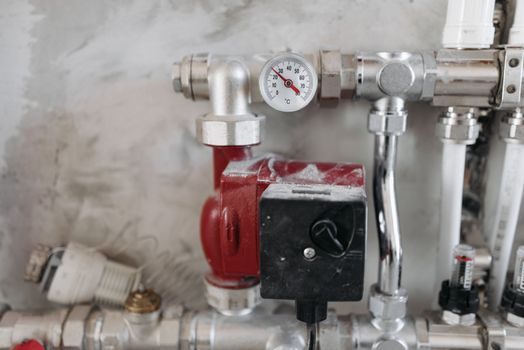
Four dominant pneumatic actuator architectures compete on price, and the right pick is set by the valve rather than by the actuator brand. A direct comparison: [S8]
Rack-and-pinion rotary (BETTIS RPE, MAROS Mosfe, Max-Air MT): 2 Nm to 13,367 Nm torque envelope, 3–8 bar supply, double-acting or spring-return, ISO 5211 interface. Best fit for quarter-turn ball, butterfly, and plug valves; compact footprint; ATEX options available [S2][S3][S6].
Scotch-yoke rotary (BETIS M series, SAMSON 3204-1): higher breakaway-to-running torque ratio, heavier per Nm, premium pricing; chosen for high-cycle or high-speed isolation where rack-and-pinion would oversize [S3][S1].
Piston linear (pneumaticairactuator.com, Özbekoglu ACP13): strokes sized to gate and globe valves, body ratings up to ANSI 600 in carbon steel (A216 WCB) or SS316, leakage class per ANSI/FC 70-2 / IEC 60534-4; the cost premium is in the larger cylinder bores and the heavier end-flanges, not the pneumatic side [S4][S5].
Diaphragm rotary or linear (SAMSON 3278, 3277): low torque-to-weight ratio (max. 730 Nm at 16–50 kg), signal-pressure driven, used for throttling control rather than tight shut-off; selected for modulating duty on butterfly and rotary control valves where the linear relationship between signal pressure and stem position is the design driver [S1].
Total Cost of Ownership, Not Just Purchase Price
Purchase price is the smallest line item over a 10-year life for a properly sized pneumatic actuator. Compressed-air supply at 5–8 bar continuous, solenoid-valve and positioner electronics, and preventive maintenance on seals and springs typically run 2× to 4× the actuator purchase price across the lifecycle, and that ratio is why oversized actuators are the most expensive spec a buyer can make. [S1]
Seal and diaphragm replacement intervals are the second TCO line: SAMSON's diaphragm actuators use a 160 or 320 cm² elastomer diaphragm whose service life is set by cycle count and temperature, with the 320 cm² variant typically specified for higher-thrust control duties [S1]. Spring-return single-acting units carry an additional TCO burden in the form of stored-energy maintenance, since the spring must be safely decompressed during service; this is a frequent line item missed in initial price comparisons.
Lead time is the third cost variable: ISO 5211-interface quarter-turn aluminum units in commodity sizes are typically ex-stock from factory-direct channels, while ATEX or stainless configurations can add 4–8 weeks and a 20–40% premium depending on the certification body and the notarized documentation required [S2][S9]. For project work, Control Valve Buying Guide 2026: Sizing, Trim, and Duty Match walks through how the actuator choice ties back to valve trim and duty class.
Who a Pneumatic Actuator is For, and Who Should Pick Electric Instead
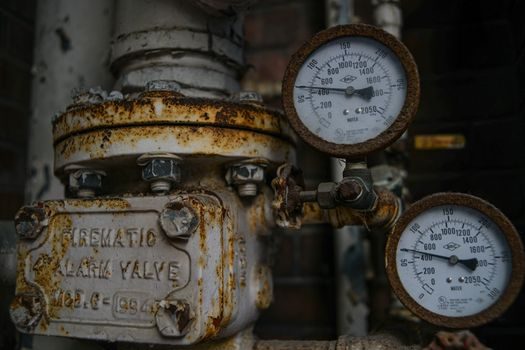
Pneumatic actuators are the right call when the plant already runs a reliable 5–8 bar instrument-air supply, when fail-safe spring-return is required for safety-instrumented duty, when the valve cycle count is high (pneumatic units typically outlast electric on cycle life), and when intrinsic safety rules out electric actuation in Zone 0 or Zone 1 [S1][S2].
Electric or electro-hydraulic actuators are the right call when no instrument air is available, when precise modulating position control is required (pneumatic positioners drift more under vibration), and when cable routing is cheaper than air-line plumbing. A typical spec trap: specifying a pneumatic unit on a remote well pad without compressed air adds the cost of an air compressor set that often exceeds the entire pneumatic-actuator saving.
Standards, Interfaces, and Sourcing Pitfalls
The dominant mechanical interface standard is ISO 5211, which defines the actuator-to-valve mounting flange and is referenced explicitly by SAMSON, BETTIS, and Max-Air across the rotary product lines [S1][S3][S6]. NAMUR mounting is a related standard for solenoid-valve and positioner attachment on compact quarter-turn units and is also called out on the Max-Air MT series [S6].
Leakage classification for the paired valve follows ANSI/FC 70-2 or IEC 60534-4, both of which appear in pneumatic linear-actuator datasheets for gate and globe service [S4]. ATEX conformity for European explosive-atmosphere service is the most common hazardous-area certification on pneumatic actuators from European OEMs, with MAROS explicitly calling it out on the Mosfe series [S2]. Buyers should match the certification scope to the actual zone classification, since general-purpose ISO 5211 actuators are NOT Zone 0 or Zone 1 devices.
For valve-side selection logic — body, seat, pressure class — the Ball Valve Selection Criteria: Body, Seat, and Pressure-Class Decision Map and the Butterfly Valve Selection Criteria: Seat, Body, and Duty Envelope are the natural next reads once the actuator type and torque are set.
Closing: What to Track Before You Buy

Two signals to watch over the next procurement cycle: (1) the gap between factory-direct Chinese OEM pricing and Western OEM quote-only pricing on rack-and-pinion units in the 1,000–5,000 Nm band, which currently sits in a 2×–3× ratio for the same torque and certification; and (2) lead-time divergence on ATEX vs. general-purpose units, which widens noticeably during European plant turnaround seasons. A useful reference for actuation options on a related product family is the Pinch Valve Price and Cost Guide: Sleeves, Bodies, and Actuation as the Real Cost Levers piece, since pinch-valve actuation pricing follows the same torque-vs-certification pattern. [S2]
Detailed specification references: pneumatic valve actuator, pneumatic actuator, and linear guide.