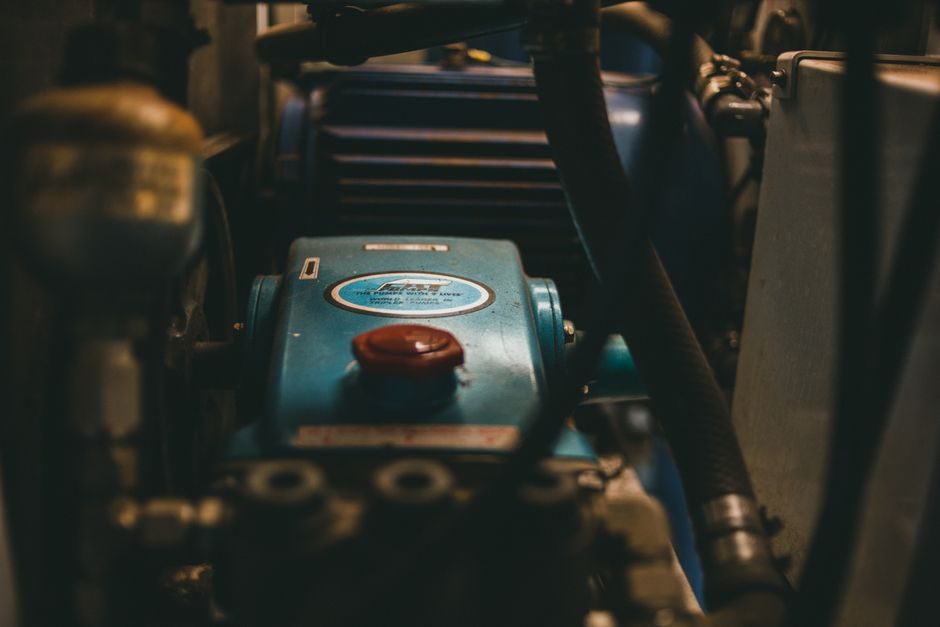
The four mainstream control valve body styles—single-seat, double-seat, cage (or sleeve), and self-actuated—remain the spine of process-industry specification, with selection driven by flow characteristic, allowable pressure drop, leakage class, and the unbalance force seen by the actuator [S5].
For a 2026 project, the buyer first fixes the operating envelope (line size, PN or ASME class, fluid phase, temperature, and required rangeability), then picks a body family, then a trim, then the linear-guide or rotary actuator. Skipping that order is the most common reason a new valve hunts, sticks, or leaks past shutoff.
Four Body Families and When Each Wins
Single-seat bodies are the default for clean service and tight shutoff: they handle a defined flow characteristic (linear, equal percentage, modified parabolic) with one plug and one seat, and they can meet Class IV, V, or VI leakage depending on soft-seat selection [S5]. Double-seat bodies tolerate higher differential pressure with smaller actuator thrust because the two plugs oppose each other hydraulically, at the cost of higher fugitive emissions through the stem area and no tight shutoff class [S5].
Cage (sleeve) designs place the trim inside a removable cage, so a single body can be retuned for different Cv or characteristic values by swapping cages—useful for projects that expect duty changes. Self-actuated (self-operated) regulators use the process fluid itself as the power medium via a diaphragm or bellows sensing line, removing the need for an external air supply or control cable run on simple pressure, temperature, or level loops [S5].
Matching Trim Material to the Fluid
Standard 316 stainless steel trim covers water, air, steam, and most mild chemicals up to roughly 400 °C. For abrasive slurries, the engineering note in [S5] states that "when the fluid is a suspension with a high concentration of abrasive particles, the internal material must be hard," and the DirectIndustry flow-control check-valve supplier index at [S1] lists 23 companies and 35 products for that equipment category.
Forged bodies dominate high-pressure hydrocarbons. The graphite-valve and severe-service index on DirectIndustry shows double block-and-bleed side-entry ball valves rated 2,000–10,000 psi in sizes DN 1.813 in to DN 56 in, plus pressure-seal gate valves to DIN/EN at PN 63, 100, 160 bar and temperatures −10 °C to 550 °C—evidence that the upstream / midstream / downstream oil-and-gas envelope lives in forged, not cast, bodies [S2].
Flow Characteristic, Cv, and Rangeability
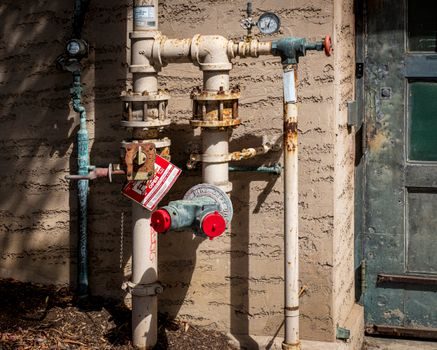
Linear characteristic is the right pick for liquid level and most pressure loops where the loop gain is roughly constant. Equal percentage is the default for temperature, pH, and other loops with strongly varying process gain, because the equal-percentage curve delivers a high turndown ratio without losing resolution at low flow [S5]. Modified parabolic splits the difference and is common on general-purpose single-seat globe valves.
Sizing uses the Cv formula, with valve authority kept above 0.3 so the control valve still owns most of the loop's pressure drop. A common sizing mistake is matching pipe diameter to valve diameter: many plants over-buy by one or two line sizes and end up with a valve that operates in the bottom 20 % of its travel, where equal-percentage trim still behaves but linear trim stalls. For very low flows, the index of small-bore flow-control devices shows DN 5–50 mm cartridge check valves and DN 5.5 mm throttle check valves rated 280–420 bar with 1–400 l/min capacity, useful as reference points for hydraulic-instrumentation Cv scale [S1].
Actuation: Pneumatic, Electric, and Electro-Hydraulic
Pneumatic diaphragm or piston actuators remain the workhorse for hazardous-area control loops because they are simple, intrinsically safe, and fail predictably on air-loss (spring-return typically closes the valve, but the safe direction must be specified per loop). Electric actuators win on remote sites without instrument air and on plants that want a single bus protocol; the trade-off is gear-train backlash, covered in the spec map for electric vs pneumatic valve actuator selection. [S1]
Where high thrust and fast stroking meet, electro-hydraulic actuators take over; they use a linear-guide or a sliding screw driven by a hydraulic servo, paired with an electric pump. For rotary valves, pneumatic rack-and-pinion and electric quarter-turn gearboxes are the standard, with NAMUR accessory mounting for positioners, limit switches, and I/P transducers.
Shutoff Class, Fugitive Emissions, and Sealing
Shutting off tight means picking a leakage class: Class IV (metal-to-metal, 0.01 % of Cv) suits most process isolation, Class V is tighter, and Class VI (soft seat, "drop-tight") is required for clean fluids and batch control. For fugitive-emissions-sensitive service, the trend on 2026 specifications is graphitic or bellows-sealed stems; the same graphite-seal ecosystem also produces piston and butterfly valves with metal-to-metal seats rated −196 °C to 850 °C in DN 80 mm to DN 2,000 mm, useful as a cross-reference for cold-service and high-temperature hydrocarbon duty [S2].
The right seat material depends on temperature and chemistry. PTFE is the soft-seat default up to about 200 °C and is compatible with most chemicals except molten alkali metals and fluorine. PEEK extends soft-seat use toward 250 °C. NBR suits hydrocarbons and water up to 100 °C, EPDM suits steam and hot water. Graphite is the high-temperature fallback and is the named family in the supplier index used for steam and hydrocarbon isolation [S2].
Selection Criteria Comparison: Body Styles Side by Side
Across four decision criteria—shutoff class, max differential pressure, ease of trim change, and clean-service suitability—single-seat leads on shutoff (Class IV–VI) and clean-service use, but lags on ΔP without a large actuator; double-seat accepts higher ΔP with smaller actuators but cannot meet tight shutoff; cage/sleeve wins on trim-change flexibility; self-actuated is the pick when instrument air is unavailable or uneconomic. The same logic also decides between butterfly valve seat, body, and duty envelope when the line is too large for a globe. [S2]
For a numerical anchor, the severe-service butterfly index in the same supplier catalogue lists DN 80–2,000 mm triple-eccentric metal-seated bodies rated 10–250 bar and −196 °C to 850 °C, which sets the upper bound for rotary isolation in cryogenic and refinery service; anything inside that envelope but needing throttling is a globe or angle body [S2].
Who Should Pick Which, and Who Should Walk Away

Specifiers handling clean liquids, gases, or steam on a standard control loop should default to a single-seat globe with equal-percentage trim and a pneumatic diaphragm actuator, optionally with a positioner and I/P for HART or FOUNDATION Fieldbus. Projects with high ΔP, slurries, or two-phase flow should step to cage or angle bodies with hardened trim. Plants without reliable instrument air, or remote wellhead and district-heating skids, should look at self-actuated pressure, temperature, or level regulators before adding a pneumatic supply [S5].
Buyers should walk away from a generic globe-valve quotation when the duty is abrasive, cryogenic, or sanitary. For abrasive service, a pinch valve or a slurry-cage globe is the right answer, not a standard metal-seated single seat. For sanitary or pharmaceutical service, a diaphragm valve with a polished body and a steam-barrier is the right answer, and the seat material should be EPDM or PTFE, not graphite. For cryogenic LNG or ethylene, an extended-bonnet stainless body with low-temperature carbon-steel bolting is the minimum, and the body should be ASME B16.34-class rated for −196 °C [S2].
Standards, Sourcing, and a Shortlist Logic
Three reference families drive most control-valve specifications: ASME B16.34 for valve design and rating, ISA-75 for face-to-face and Cv calculation, and IEC 60079 / ATEX 2014/34/EU for hazardous-area electric actuators. The DirectIndustry supplier index tracks 23 to 35 vendors per category with public pressure, temperature, and material filters, which makes it a useful cross-reference for shortlisting before a formal RFQ [S1][S2].
For a 2026 shortlist, anchor the decision on four columns: required leakage class, max operating ΔP, fluid-driven material constraints, and the actuation energy available on site. Filter body families by ΔP and shutoff, then filter trim and seat material by fluid chemistry and temperature, then filter actuator type by available power and safe-failure direction. Once a vendor list is down to three, send a single RFQ that includes fluid name, line size, normal and max flow, inlet and outlet pressure, temperature range, required characteristic, shutoff class, and hazardous-area classification. That packet is also the right input for sizing the upstream pneumatic tubing if the actuator is pneumatic, and for the downstream industrial filter if the valve sits on a process skid.