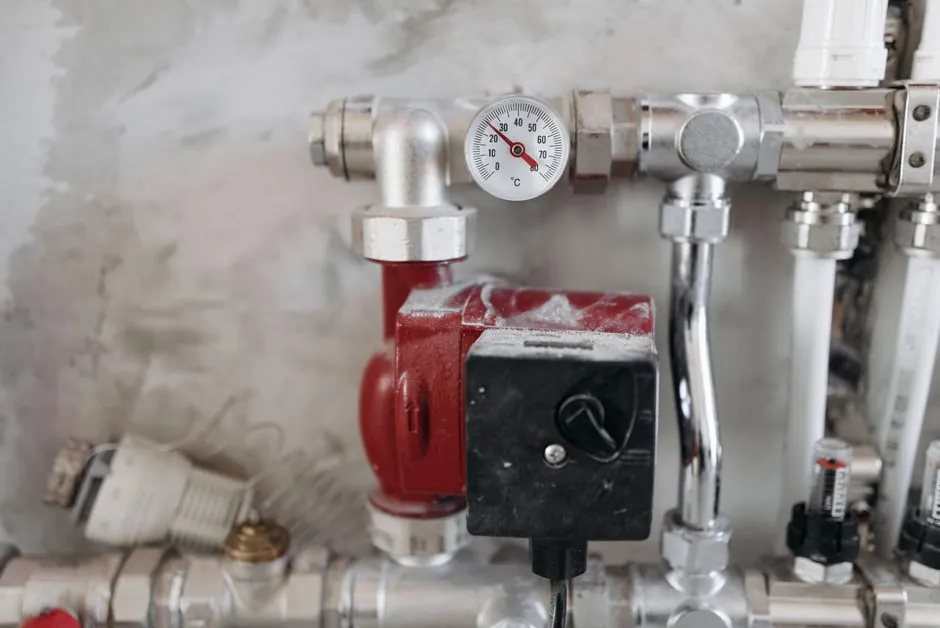
Ball and butterfly valves dominate the water-treatment valve list, and both are routinely automated with a pneumatic valve actuator when the plant already runs a compressed-air ring [S3].
Quarter-turn pneumatic units, in either rack-and-pinion or scotch-yoke architecture, are the workhorses for butterfly and ball sizes 2"-24", with stainless steel or ductile-iron bodies covering the bulk of fresh, raw, and treated-water lines [S1][S5].
Why Water Treatment Leans on Pneumatic Actuation
Water and wastewater plants operate continuously and pass large volumes through chemical dosing, filtration, and disinfection stages, so the actuator has to survive corrosion, sludge, and constant cycling [S3]. Pneumatic units draw on the plant's existing compressed-air supply, which is almost always present in municipal works; a documented sub-segment of the market instead specifies electric IP68 units only when no air ring exists, as OMAL's EA IP68 family illustrates [S3]. For sub-sectors such as desalination and reverse osmosis, where pressure and salinity punish metals, stainless steel valves sized to the real plant curve are paired with pneumatic actuators to keep the duty cycle within the actuator's thermal and torque envelope [S3].
Actuator Architecture: Rack-and-Pinion vs Scotch Yoke
Rack-and-pinion units, the AW-series pattern, deliver roughly constant torque across the full 90° stroke, which suits high-cycle ball and butterfly valves in 2"-24" lines [S1][S5]. Scotch-yoke designs, the AT-series pattern, concentrate torque at the start and end of stroke, the exact window where large valves need extra force to unseat and reseat [S1]. This torque profile difference drives the first real selection branch: choose rack-and-pinion for steady cycling on mid-size butterfly and ball duty, and reserve scotch-yoke for large-diameter or high-pressure-drop isolation where breakaway torque dominates [S1][S2]. Field installations in horizontal pressure-filter skids have shipped 35-unit runs at 6"-12" using F-series rack-and-pinion actuators matched to STL-series lug butterfly valves, confirming the pattern in real municipal builds [S5].
Double-Acting vs Spring-Return: Fail-Safe Decisions
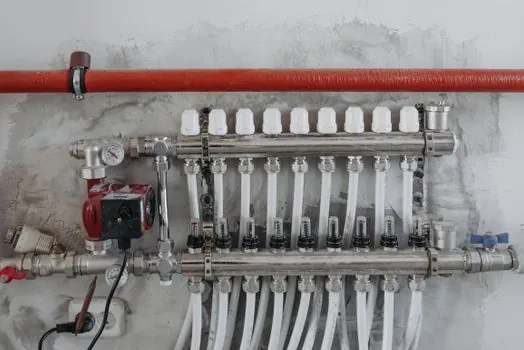
Double-acting pneumatic actuators need air to drive both directions, allowing controlled opening and closing speed and a smaller envelope for a given torque output [S1]. Spring-return (single-acting) units use stored mechanical spring energy to drive the valve back to a Normally Closed or Normally Open position on loss of instrument air, which is the mechanical-redundancy pattern demanded for fail-safe isolation [S1]. For water treatment, the fail-state mapping is driven by process consequence: raw-water intake and chemical-dosing isolation typically fail closed, while overflow and vent lines typically fail open [S1][S2]. When the actuator is used as a control element, a 4-20 mA smart positioner is added to convert the on/off unit into a modulating instrument [S1].
Mounting, Interface, and Sizing Standards
ISO 5211 governs the actuator-to-valve mechanical interface, so the mounting flange and drive socket must match the valve top works exactly, otherwise alignment loads shorten stem and seat life [S1]. NAMUR standards define the solenoid-pilot and accessory mounting pads, which is why most pneumatic assemblies pair a NAMUR solenoid valve with proximity limit switches and a positioner on a common manifold [S5]. For sizing, the actuator torque output has to clear the valve's maximum breakaway torque under the worst-case differential pressure and fluid temperature, with a typical 25-50% safety margin applied; a single bad number here stalls the valve mid-stroke and burns the seat [S1][S4]. Working-pressure and temperature limits for the assembled unit must also be checked: ST-series resilient-seated butterfly valves are documented for 225 psi maximum working pressure and an operating range of -22°F to +230°F, and the actuator datasheet has to stay inside that envelope [S5].
Materials, Certifications, and Drinking-Water Compliance
Material choice is driven by the fluid: ductile iron with EPDM resilient seat covers raw and treated water; CF8M stainless or aluminium bronze is specified for desalination brine and aggressive chemical dosing; 316 stainless balls are used in the most corrosive dosing blocks [S3][S5]. For potable-water duty, WRAS certification is the British baseline that confirms non-metallic materials in contact with drinking water are safe, and it is now documented on KRAVEN wafer and lug butterfly bodies [S3]. Marine and offshore water systems typically require DNV certification on the actuator itself, which is how OMAL's AGO pneumatic actuator is positioned for shipboard and platform builds [S3]. For emerging sub-sectors such as PFAS removal and ozonated water, where no dedicated drinking-water standard yet exists, suppliers carry over TA Luft fugitive-emission conformity and Fire Safe qualifications from more critical sectors [S3].
Selection Criteria: Matching Actuator to Application
A first-pass comparison against four decision criteria helps narrow the architecture choice for water-treatment work. On torque profile, rack-and-pinion is steady across stroke while scotch yoke is peaky at breakaway, so rack-and-pinion wins for high-cycle mid-size valves and scotch yoke for large isolation [S1][S2]. On fail-safe behaviour, spring-return is the only mechanical-redundancy option, while double-acting needs an external air reservoir to fail-safe on air loss [S1]. On certification for water contact, the relevant marks are WRAS for drinking water, DNV for marine, and TA Luft/Fire Safe for fugitive-emission or fire-exposed service [S3]. On mounting, ISO 5211 and NAMUR are the non-negotiable interfaces for any modern pneumatic assembly, and a solenoid with manual override should be specified for field commissioning and actuator stroking tests [S1][S5]. Compressed-air cleanliness, supply pressure stability, and ambient temperature also belong on the same checklist, since pneumatic torque output tracks directly with supply pressure and degrades when the air is wet or oil-laden [S2][S4].
Common Failure Modes and Field Limits
The most common pneumatic-actuator failure on water-treatment duty is mid-stroke stall from undersized torque against a high differential pressure, especially on larger butterfly valves during a cold start when fluid viscosity is high [S1][S4]. A second recurring failure is solenoid-valve coil burnout on actuators left energised in a fixed position, which is why the field pattern of pairing a NAMUR solenoid with a manual-override button for safe stroking tests is now standard [S5]. A third limit is seal and seat degradation when the working temperature or chemical exposure drifts outside the documented envelope, for example above the +230°F EPDM ceiling on resilient-seated butterfly valves [S5]. For PFAS or ozone service, the absence of a dedicated standard means engineers should require documented compatibility data from the valve and actuator supplier rather than infer it from a generic WRAS or DNV certificate [S3].
Track these signals over the next planning cycle: any new WRAS or DNV certificates issued for stainless-steel butterfly and ball bodies in the 6"-24" range, and any update to the ISO 5211 or NAMUR interface dimensions that would change retrofit kits on installed pneumatic assemblies. For related actuator-side reading, the pneumatic actuator and pneumatic encyclopedia pages cover the broader component and supply-air context, and the ballast water treatment page maps adjacent marine water-service duty where DNV and pneumatic-actuator choices overlap.
For related coverage, see Clutch and brake selection for cement plant drives: a 2026 spec map.