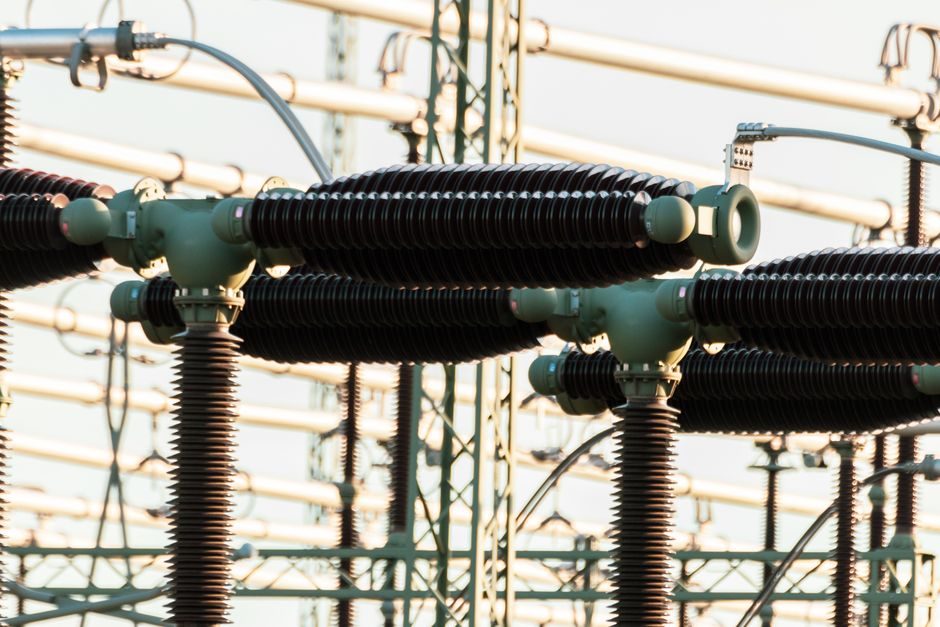
In factory-direct China sourcing as of 2026-06-23, a VDE/KEMA-style flat power cable built on 2C×42×0.174 mm bare-copper conductors with 2.17 mm PVC insulation and a 3.55×5.60 mm PVC jacket was quoted in a low-tier FOB band suitable for flexible-cord duty under typical harmonised cordage rules [S3].
MOQ discipline dominates 2026 cable pricing: a 3,000-metre minimum order on a CPU-grade power cable from a Diamond-Member Chinese mill printed US$0.50-1.00 per metre, a range that compresses further when the buyer rolls the same construction across multiple SKUs at the same plant [S2]. For higher-volume PVC cordage such as CE H05VV-F 3×1.0 / 3×1.5 mm², manufacturer pages on Made-in-China continue to surface LVD-tracked options across 1-6 pages of verified suppliers, indicating a still-active mid-2026 buyer's market for low-voltage harmonised cord [S1].
Conductor class and copper sizing: where the price floor lives
Conductor cross-section and stranding class set the floor of any 2026 power-cable quote: a flat construction with 42 strands of 0.174 mm bare copper (≈ 1.0 mm² per core) sits at the lower end of the flexible-cord range, while a 24-strand 0.2 mm geometry with 2.43 mm insulation and a 6.50 mm round jacket targets heavier appliance-lead duty [S3]. For PVC-jacketed flexible cords the harmonised H05VV-F designation on 3×1.0 mm² and 3×1.5 mm² remains the default European low-voltage SKU, with manufacturer pages continuing to surface CE-marked and LVD-tracked versions from Chinese exporters in mid-2026 [S1].
Class 5/6 fine-stranded bare copper (BC) dominates flexible power-cord designs because it survives the flex-life cycles IEC 60227 / IEC 60245 type tests are written around; for fixed installation, Class 2 stranded or solid conductors typically halve the copper content per metre and drop the cable cost accordingly, but lose the bend-radius tolerance that 42/0.174 mm and 24/0.2 mm strand packages deliver [S3]. Buyers who accept Class 2 solid conductors on a fixed-install run can usually negotiate 15-25 % off the flex-cord factory price, though they must then size the conduit, tray, or trunking for the larger minimum bend radius that solid construction demands.
Insulation and jacket: PVC vs XLPE vs TPE trade-offs
PVC remains the 2026 default jacket compound on Chinese-made flexible power cordage, with 2.17 mm wall thickness on 0.174 mm strand constructions and 2.43 mm on heavier 24/0.2 mm versions, paired with overall jacket OD bands of 3.55×5.60 mm (flat) and 6.50 mm (round) per current factory datasheets [S3]. The standard H05VV-F 3×1.0 and 3×1.5 mm² CE-PVC cords continue to dominate the LVD-tracked low-voltage category on Chinese supplier directories, indicating PVC is still the volume chemistry for indoor/outdoor appliance leads [S1].
Where continuous conductor temperature exceeds 70 °C (the PVC ceiling) or where the cable routes through cable trays in a switchroom, the same copper geometry gets re-insulated with XLPE (90 °C) or EPR (90 °C) and the jacket upgrades to LSZH or CPE for flame and smoke compliance - typically a 25-40 % price step at the China factory gate versus the equivalent PVC-jacketed cord. TPE jackets sit between the two, offering better flex endurance than PVC at a moderate premium, and are often selected for robot dress-packs and high-cycle drag-chain service where PVC would crack within months.
Voltage rating and shielding: matching the cable to the circuit
Rated voltage is the second hard gate after conductor size: 300/300 V H03VV-F and 300/500 V H05VV-F cover the vast majority of light-duty appliance and CPU-power-cord SKUs visible on 2026 China factory listings, including the H05VV-F 3×1.0 and 3×1.5 mm² CE-PVC cords in the LVD-tracked band [S1]. Step up to 0.6/1 kV construction for fixed power distribution, switchboard wiring, and any run that lands in a tray, conduit, or duct shared with control cables - the insulation wall and jacket both grow to clear the 1 kV type-test margins.
Shielding is a separate decision layered on top of voltage: unshielded (no screen) suits most PVC-jacketed flexible cords shown in the S3 flat-cable datasheet, where the construction is listed as bare-copper conductor + PVC insulation + PVC jacket with no braid or foil screen. Add an aluminium/PET foil + drain wire (often labelled "AL/PET" or "OS") for EMC-sensitive control and instrumentation runs, or a tinned-copper braid (typically 80-95 % coverage) for VFD motor output cables where high dv/dt and common-mode noise would otherwise burn through the bearing oil film of an inverter-driven motor.
Certifications: CE, LVD, VDE, KEMA, and the 2026 audit picture
Mid-2026 Chinese supplier directories continue to surface CE-marked H05VV-F 3×1.0 and 3×1.5 mm² PVC cords from LVD-tracked manufacturers, with "LVD certified (contact issuer for current status)" annotations still appearing as a baseline trust signal on category landing pages [S1]. Beyond the self-declared CE/LVD route, third-party marks from VDE (Germany) and KEMA (Netherlands) carry materially more weight with European OEMs - the flat power-cable construction shown in the S3 datasheet explicitly carries VDE/KEMA flexible-cord designation as one of two options offered on the same SKU [S3].
For North American destinations the equivalent anchor marks are UL (e.g. SJEOOW, SJTW, SOOW) and CSA; for marine and offshore, IEEE 1580 and IEC 60092-350 series come into play; for oil and gas downhole or surface, API and IECEx-governed constructions with EPR/CSPE jackets are specified separately. Buyers should request the certificate number (not just the logo) and validate it against the issuing body's public register, because Chinese factory pages in 2026 still mix genuine third-party marks with self-declared equivalents - a real VDE or KEMA certificate number is one of the few reliable differentiators on a multi-supplier RFQ.
MOQ, price bands, and how to negotiate a 2026 cable RFQ
MOQ is the single most important price lever in mid-2026 Chinese cable sourcing: a 3,000-metre minimum on a CPU power cable from a Diamond-Member Nantong manufacturer printed US$0.50-1.00 per metre in the published band, and a flat VDE/KEMA flexible-cord on 42/0.174 mm copper landed in a low FOB tier suitable for harmonised-cord application [S2][S3]. The H05VV-F 3×1.0 / 3×1.5 mm² CE PVC family spans 1-6 pages of verified manufacturer listings in mid-2026, giving a multi-source RFQ meaningful price tension [S1].
Three negotiation levers consistently compress the 2026 factory quote: (1) consolidate SKUs at one mill to clear the 3,000 m MOQ across multiple part numbers and unlock tier-2 FOB pricing; (2) accept a 4-6 week mill lead time in exchange for a price-hold clause against the LME copper cathode benchmark, since copper represents the majority of the BOM and a +5 % copper move can wipe out a 3 % negotiated discount; (3) specify LVD-tracked CE-PVC rather than a third-party VDE/KEMA mark where the end-use allows it, because self-declared CE under the LVD typically runs 8-15 % below the equivalent VDE/KEMA-traced construction on the same conductor geometry. Pair these with a clear Incoterms split (FOB Shanghai vs CIF Rotterdam vs DDP project-site) so freight, duty, and EU DRAM levies don't erode the headline factory price.
Specification checklist before issuing a 2026 cable PO
Eight items should be on every power-cable RFQ in mid-2026: (1) conductor material and class (bare Cu Class 5/6 flex vs Class 2 stranded vs solid); (2) cross-section per core in mm² with the strand count (e.g. 42/0.174 mm ≈ 1.0 mm²); (3) insulation compound (PVC / XLPE / EPR / TPE) and rated conductor temperature (70 / 90 / 105 / 125 °C); (4) jacket compound (PVC / LSZH / CPE / TPE) and flame rating (IEC 60332-1 single, -3 cat. A/B/C for bunched); (5) rated voltage U0/U in V (300/300, 300/500, 0.6/1 kV) with the applicable harmonised or national designation (H05VV-F, H07RN-F, RV-K, N2XY, etc.); (6) shield/screen type and coverage if any; (7) applicable third-party marks with certificate numbers (CE/LVD, VDE, KEMA, UL, CSA, IECEx); (8) MOQ, lead time, and copper-pricing clause. The flat VDE/KEMA flexible-cord and the CPU 3,000 m MOQ SKU cited above are useful benchmark items to drop into the same RFQ envelope so suppliers quote apples-to-apples [S2][S3].
For buyers sourcing other low-voltage commodities alongside cable - for example hydraulic skids for the same plant - the same MOQ + certification logic applies, as detailed in this hydraulic power unit buying guide and in this load break switch vs busway spec mapping. The conductor compound rules that govern copper vs CCA selection also overlap with the standards and sourcing logic covered in this NBR grades for oil and gas reference. For deeper reading on how flexible cordage and fixed power cable interact inside switchgear, the linear guide, crossed-roller guide, and power transformer encyclopedia pages lay out the adjacent specification logic that a cable buyer usually has to coordinate with the panel designer on the same project.
Trackable next signals for a 2026-Q3 cable RFQ: (a) the LME copper cathode monthly average, which sets the BOM ceiling on every Cu-bearing power cable quote; (b) any update to the IEC 60227 / IEC 60245 flexible-cord type-test annexes, since Chinese factory datasheets reference these directly; (c) the EU LVD enforcement bulletin, because the "LVD certified (contact issuer for current status)" caveat still appearing on 2026 Made-in-China category pages suggests ongoing reassessment of self-declared CE marks under the 2014/35/EU framework [S1].