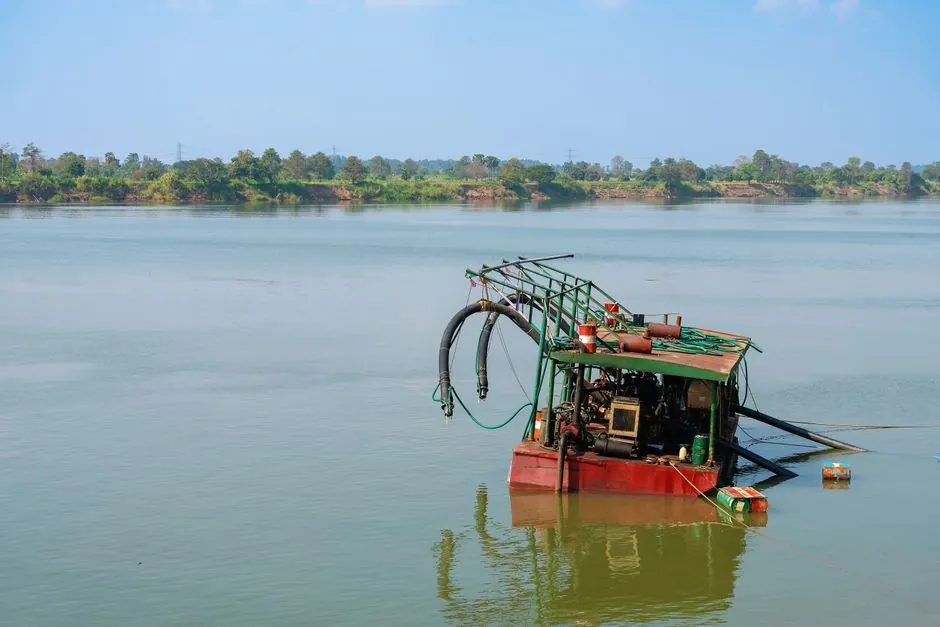
Submersible sludge pumps such as the Atlas Copco WEDA line are designed for abrasive, high-solids flow and use a modular sealing architecture so wear parts can be swapped without disturbing the mechanical seal interface [S1]. The defining selection question is never "which brand" but "which hydraulic family" matches the solids content, head, and continuous-versus-intermittent duty of the application.
Most project specifications now separate three families: electric submersible sludge pumps (typically 0.5 kW to 90 kW, handling slurries up to 1,200 m³/h), dry-installed self-priming dredge pumps for high-solids production work, and positive-displacement sludge digester pumps driven through enclosed gearboxes for the digester recirculation loop [S1][S3][S5]. Each of those is described in turn, with the trade-offs that determine when one is wrong for the duty.
Sludge Pump Variants and Where Each Fits
Three hydraulic families cover roughly 90% of the spec sheets seen on wastewater and dredging tenders in 2026: submersible centrifugal sludge pumps, self-priming dredge or slurry pumps, and positive-displacement digester pumps. Centrifugal submersibles rely on vortex, channel, or grinder impellers to pass spherical solids from 10 mm up to 120 mm depending on model, and they tolerate short dry-running because the motor is water-jacketed [S1]. Self-priming dredge pumps in the rental fleet, for example, are typically trailer-mounted and rated for sustained high-solids production rather than intermittent sump emptying [S5].
Positive-displacement sludge digester pumps move thickened or digested sludge through a gearbox-coupled drive train, with enclosed gear reducers (Bost Gear / Regal Rexnord 700 and 800 series) sized for the high starting torque that thick biological solids demand [S3]. The common mistake is to specify a centrifugal sludge pump on digester recirculation, where the discharge pressure window and non-Newtonian rheology of digested sludge make a PD or recessed-impeller dredge pump the only credible answer. For a broader map of how pump selection compares to other rotating equipment decisions, the inline pipeline pump spec map walks through the same criteria-based logic on a different family: inline pipeline pump selection for 2026 builds.
Six Selection Criteria Engineers Actually Use
Engineers shortlist a sludge pump on six numbers, in this order: (1) peak flow (m³/h) and required head (m), (2) maximum spherical solids passage (mm), (3) dry-solids content by weight (%), (4) pH and chloride exposure, (5) duty cycle (continuous vs intermittent, starts per hour), and (6) seal and stator material class. Below 2% DS, standard WEDA-style dewatering pumps operate efficiently on a 50 Hz supply; above 5% DS, the duty shifts to agitator-equipped submersibles or recessed-impeller dredge pumps rated for slurries [S1][S5].
A seal class matters as much as the impeller choice: submersible sludge pumps are commonly tested to IP68 with a double mechanical seal in an oil chamber, and the materials shift from standard SiC/SiC to full tungsten carbide for chloride-bearing municipal sludge. The electrical side is governed, in EU projects, by EN 60335-2-41 for pump safety (sludge pumps are listed in clause 97.180 alongside submersible, table-fountain, and vertical wet-pit pumps) [S4]. For the matching gearbox on digester pumps, the 700 and 800 series helical and worm reducers are sized against a service factor of at least 1.25 for continuous solids service [S3].
Comparison of Main Sludge Pump Types on Four Decision Criteria
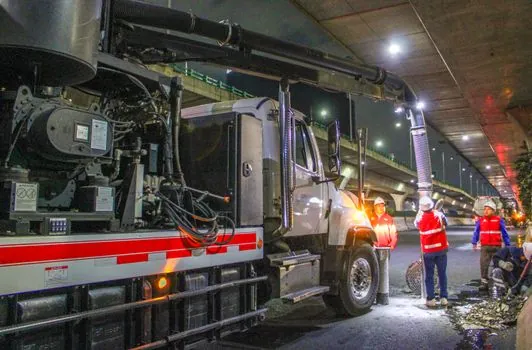
Side by side, the three families line up as follows on the criteria that drive most 2026 selections. (1) Solids passage: submersible centrifugal 10-120 mm; self-priming dredge 30-200 mm with recessed impeller; PD digester pump effectively unlimited for fibrous sludge. (2) Continuous dry-solids tolerance: submersible centrifugal up to 5-7% DS; self-priming dredge 10-25% DS; PD digester 4-8% DS at high viscosity. (3) Head capability: submersible centrifugal typically 10-80 m; self-priming dredge 15-60 m; PD digester 30-120 m depending on stages. (4) Dry-run tolerance: submersible centrifugal rated for short dry periods by design [S1]; self-priming dredge limited to a few minutes; PD digester pumps must never run dry, and a thermal cutout on the gearbox is standard practice [S3][S5].
That matrix is what a specifier should pin on the datasheet before any vendor name enters the document. Vendors can be swapped against a published curve; a wrongly chosen hydraulic family cannot. A useful cross-reference for the rotating-equipment side of that decision is the planetary gearbox selection map, which covers torque, service factor, and backlash logic that also applies to digester-pump drives: how to choose a planetary gearbox: spec map for industrial buyers.
Who Should NOT Use a Standard Dewatering Sludge Pump
Three duties are wrong for a standard WEDA-class dewatering pump, and engineers regularly get this wrong on first spec. First, digester recirculation and sludge transfer at >4% DS, where non-Newtonian behaviour and high viscosity demand either a positive-displacement pump or a recessed-impeller dredge pump [S3]. Second, mining or quarry duty with sharp angular particles above 20 mm and pH below 4, where a high-chrome alloy dredge pump with a 30-50% longer wear-life curve is the only economic answer [S5]. Third, continuous 24/7 sump duty in a sewage bypass application, where the pump must run partially submerged for weeks; a standard dewatering pump's thermal budget will fail, and a dedicated sewage-bypass submersible with class-H insulation is required [S1].
For project teams already comfortable with motor-control-cabinet certification logic, the same documentation discipline applies to pump VFD panels: a separate write-up walks through the certification checklist a panel must clear before energising, and the items overlap heavily with pump skid builds: VFD certification checklist for a motor control cabinet.
Seal, Stator, and Material Choices That Decide Life-Cycle Cost

On submersible sludge pumps, the sealing system is the single largest determinant of mean time between failures, and the modular design of modern units allows a cartridge seal change in roughly 30 minutes without lifting the pump from the wet well [S1]. Standard builds use a SiC/SiC primary mechanical seal with a carbon secondary, oil-lubricated chamber, and a lip seal as a third barrier; for chloride-bearing or chemically active sludge, upgrading to full tungsten carbide roughly doubles seal life at a 20-30% material cost premium.
On the PD digester side, stator elastomer choice (NBR for general municipal, EPDM for digester gas exposure, FKM for chemical-conditioned sludge) and gearbox service factor are the two decisions that drive rebuild intervals. Supply-chain exposure on those elastomer and casting grades is a real risk in 2026, and buyers tracking actuator material tiers will recognise the same pattern: pneumatic actuator supply chain 2026: materials, tiers, lead-time risks.
Standards, Compliance, and Documentation to Pin on the Datasheet
Two standards sit on essentially every EU and North American sludge pump datasheet, and the specifier should require explicit clause references rather than generic compliance. EN 60335-2-41:2003 covers the safety of pumps for household and similar use, with sludge and submersible pumps listed under clause 97.180 alongside table-fountain and vertical wet-pit units [S4]. For ATEX-rated units in digester gas zones, the IEC 60079 family and ATEX 2014/34/EU category 2 (zone 1) are the minimum references, with cable glands and motor enclosure independently certified. For drinking-water or food-grade sludge, an additional WRAS, NSF/ANSI 61, or FDA-grade elastomer line should be on the purchase order.
The documentation that is often missed is the performance curve at the actual operating DS%, not just on water, plus a declared minimum submergence and a continuous-run thermal curve. Modern fleet telematics (pump-connectivity modules on rental units, for instance) let buyers log starts per hour, motor current, and seal-chamber temperature against a published envelope [S1][S5]. A buyer who logs those three numbers against the OEM curve gets a defensible spare-parts forecast.
Rental vs Purchase and the 2026 Lead-Time Picture
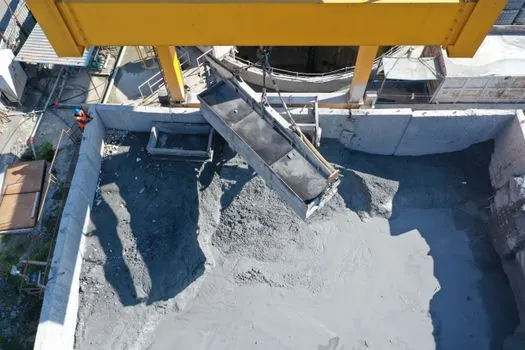
Rental has become the default for project dewatering and short-term dredging, with trailer-mounted self-priming sludge and dredge pumps available for delivery inside 48 hours on most North American sites [S5]. Purchase lead times on cast high-chrome wet ends have stretched through 2025-2026 because of foundry capacity constraints, and that is the single most common reason a planned-capex project pivots to a rental or rebuild solution. A specifier who locks the hydraulic family early, even before vendor selection, can run a parallel rental-vs-buy economic case on the same duty point and avoid being held over a barrel on delivery.
A shortlist pinned on those three branches will narrow vendor choice to two or three qualified bids per lot.
For component-level specifications, see sludge pump, pressure transmitter, and flow meter.