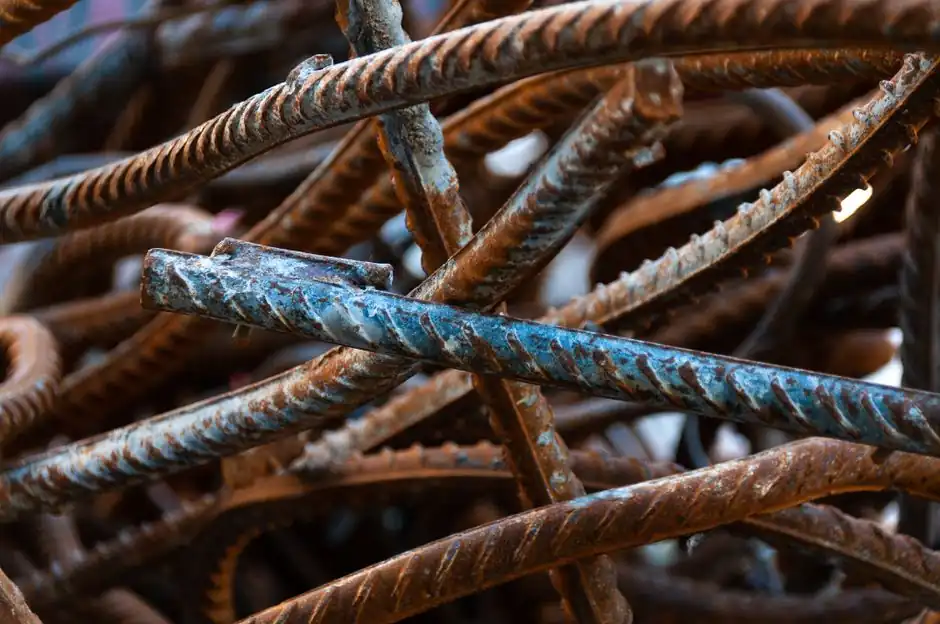
Bridge crews building piers, girders, and deck rebar cages in 2026 specify rebar threading machines in the 3-7.5 HP range, operating near 1440 RPM at 415 V three-phase / 50-60 Hz [S2]. This power band covers rib-stripping plus thread-rolling on TMT and high-strength carbon-steel bars in a single continuous pass [S2].
Selection is no longer just "buy a threader." Engineers now match motor class, die geometry, and cycle time to the rebar grade, coupler system, and bar diameter mix on the bridge bill of materials. A rebar threading machine that handles 16-40 mm rebar in one setup is the practical baseline for typical road and rail bridge splices.
What a Bridge-Grade Threading Machine Must Do
Bridge rebar connections are governed by mechanical-splice performance, not by how fast a die can cut. A threaded rebar joint transfers the full bar tensile load through a coupler, replacing the older lap-splice method that wastes 30-40% of steel at the splice zone and creates congestion in heavily reinforced zones [S2][S5].
The industrial threading sequence has two mechanical stages: first, rib-stripping (peeling) removes the external transverse and longitudinal ribs to expose a clean cylindrical surface; second, thread-rolling forms the thread profile without removing parent metal, preserving the bar's core cross-section [S2]. For bridge work on Thermo-Mechanically Treated (TMT) bars grade 500/550, this two-stage process is what produces a thread capable of matching the parent bar's tensile capacity rather than weakening it.
For an overview of how threading fits into the broader construction machinery and equipment chain, the threading station typically sits between cutting/bending and coupler installation in the rebar prefabrication bay.
Core Specs: Motor, Speed, Voltage, Bar Range
The current industrial spec floor for bridge work is 3 HP minimum, with 7.5 HP reserved for heavy 32-40 mm bar and high-cycle bridge deck cages [S2]. Spindle speed sits at 1440 RPM (4-pole induction motor standard), and the electrical spec is 415 V three-phase at 50/60 Hz, which matches the site distribution on most large infrastructure projects in India, the Middle East, and Southeast Asia [S2].
Thread pitch selection is driven by the coupler system on the drawings. Standard rebar thread pitches cover M16, M20, M25, M32, and M40 with coarse threads designed to match common bridge coupler catalogs. A machine that supports quick-change die heads across this range lets one unit service pier rebar (often 25-32 mm) and deck rebar (16-20 mm) on the same project.
Cycle time is the productivity lever. Automatic threading machines hold rib-strip plus thread-roll on a 32 mm bar in roughly 30-45 seconds per end; semi-automatic chaser machines run longer but tolerate larger diameters and slightly out-of-round bar stock better [S2].
Machine Types: Automatic, Chaser, and Roll-Only
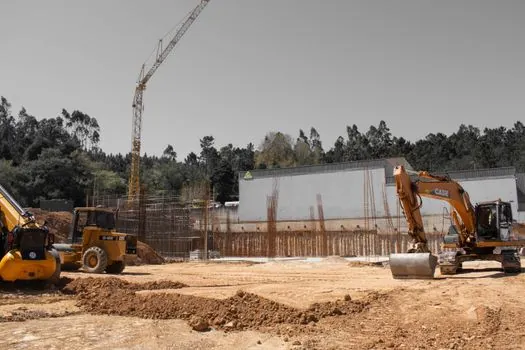
Three machine architectures compete for bridge work, and the right pick depends on bar diameter mix and volume [S2][S4]:
Automatic threading machines integrate rib-stripping and thread-rolling in one CNC-controlled pass. They are the right pick for high-volume bridge deck and pier cages where thousands of bar ends per shift need consistent quality. They reduce operator skill dependency but cost more upfront and need stable 415 V three-phase power.
Chaser machines use radial chasers to cut threads after manual or powered rib-stripping. They handle large-diameter heavy bars (32-40 mm and above) more robustly and tolerate bar-end variation better, but they run slower per cycle and require a more skilled operator. For bridge pier columns with thick splices, chasers remain the workhorse.
Roll-only threaders skip the cutting step and press the thread profile directly. They are fast and produce strong rolled threads, but they cannot handle rebar with pronounced ribs without a prior stripping pass, so they often appear as the second stage in a two-machine setup rather than a standalone bridge tool.
For a side-by-side look at how thread-rolling compares to cold-extrusion couplers on the same rebar connection, see the thread rolling machine vs rebar cold extrusion machine comparison (related reading on mechanical rebar splicing trade-offs).
Who This Spec Is For, and Who Should Skip It
This spec profile fits contractors building highway and rail bridge substructures, elevated metro viaducts, and large pier-and-deck packages where mechanical couplers are specified on the drawings. It also fits rebar prefabrication yards supplying threaded bar to multiple bridge sites in a region [S3][S5].
It is the wrong tool for small building foundations where lap splices are still code-compliant and cheaper, for low-rise residential work where rebar rarely exceeds 16-20 mm, and for remote sites without stable 415 V three-phase power. In those cases, a portable rebar bender and cutter package without a threading station is the rational pick, and a rebar supplier can deliver pre-threaded bar to the site instead.
Sourcing, Standards, and Failure Modes to Watch

Bridge mechanical-splice specifications typically reference ISO 15835 (splicing systems for reinforcing bars) or equivalent national standards; the threading machine itself must produce threads that mate with the certified coupler system on the project, not generic threads [S2]. Buying a threader without first locking down the coupler brand and thread geometry is a common cause of on-site rejection.
Failure modes to inspect during commissioning: thread depth below the bar's core diameter (cuts parent metal and weakens the bar), incomplete rib removal leaving thread crests inconsistent, and overheating dies on long production runs that work-harden TMT bars. The mitigation is a 7.5 HP motor with adequate torque margin, a coolant/lubrication circuit, and die wear tracking per shift [S2][S3].
For site-prep tools that feed rebar into the threading bay, see the impact drill selection for bridge construction spec map and the demolition hammer spec map for bridge construction, 2026, which cover the adjacent tool picks on a typical bridge rebar crew.
Trackable signals for the next planning cycle: coupler-system standardization moves by major road and rail authorities, the rollout of higher-grade 600 MPa rebar on bridge projects (which tightens thread-rolling force requirements), and any shift in 415 V three-phase site-power standards toward IEC 60038 harmonized voltages. Locking in a 3-7.5 HP automatic or chaser rebar threading machine matched to the project's coupler catalog remains the most defensible 2026 specification for bridge work.
