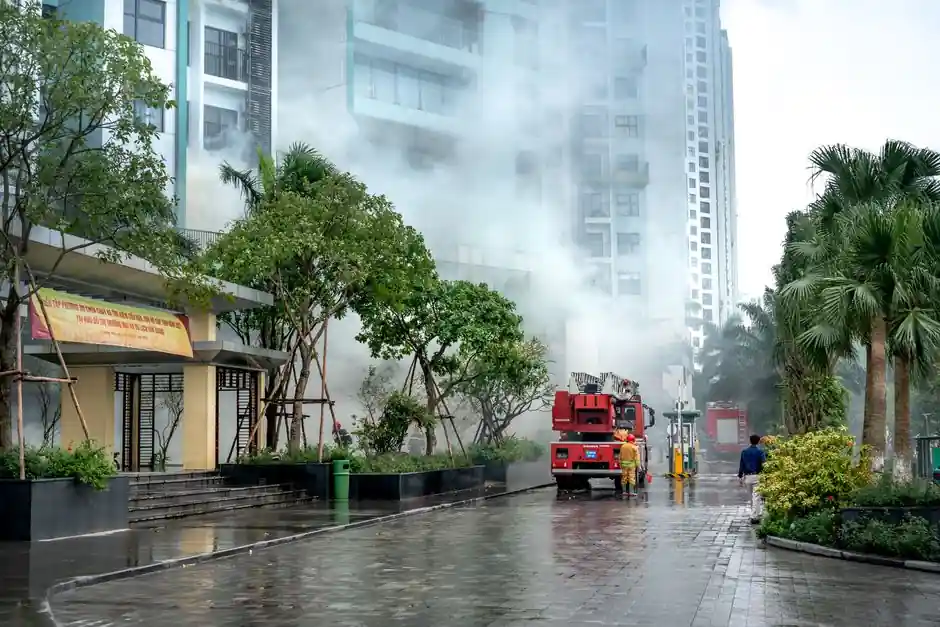
Firefighting electrical hardware in flammable atmospheres must meet ATEX 2014/34/EU, IEC 60079, and IECEx certification schemes, and the protection concept is selected by zone (Zone 1 vs Zone 2) rather than by equipment brand [S1].
Core firefighting-side devices in these locations include flameproof enclosures, increased-safety junction boxes, intrinsically safe (Ex i) flow and pressure switches, explosion-proof luminaires, Ex d alarm horns and beacons, plus certified cable glands; these items protect detection, alarm, and suppression circuits in classified fire zones [S3][S4].
Why Firefighting Loads Sit in Classified Locations
Fire sprinkler risers, foam pump skids, and deluge valves are routinely installed in refineries, LNG terminals, chemical plants, offshore platforms, and fuel storage depots, which NEC Chapter 5 classifies as Class I (gases/vapors), Class II (dusts), or Class III (fibers) and which IEC 60079 splits into Zones 0, 1, 2 (gases) and Zones 20, 21, 22 (dusts) [S3][S1].
Class I Div 1 means an ignitable atmosphere is present during normal operation, while Class I Div 2 means the hazard appears only during abnormal events, and the same logic drives ATEX/IECEx Zone 1 vs Zone 2 selection; this zone decision dictates whether the firefighting device is Ex d, Ex e, Ex p, or Ex i [S1][S3].
Protection Concepts Versus Firefighting Function
Flameproof (Ex d) enclosures are specified for Zone 1 fire alarm panels, foam pump motor starters, and suppression control panels, because the cast housing contains an internal ignition and quenches the flame path through machined gaps per IEC 60079-1 logic [S1].
Increased-safety (Ex e) terminals and junction boxes are used for the wiring side of firefighting circuits in Zone 1, where the goal is to prevent sparks and limit surface temperature rather than contain an explosion; stainless steel AISI 304 or 316L and aluminum alloys dominate these enclosures for corrosion resistance offshore [S1][S4].
Intrinsic safety (Ex i, levels ia/ib/ic) is the standard choice for flow switches, pressure switches, valve tamper switches, and toxic/combustible gas detectors that feed the fire alarm panel, because the barrier limits energy below ignition thresholds even under fault conditions [S1][S3].
Pressurization (Ex p) is typically reserved for analyzer shelters, motor control centers, and large fire pump control rooms where conventional Ex d housings become too large or heavy, and where a protective gas purge keeps the interior above the surrounding hazardous atmosphere pressure [S1].
Spec Criteria for Firefighting-Side Devices
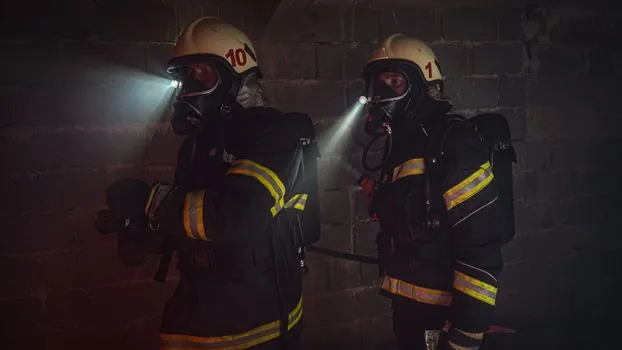
Four criteria drive firefighting-side selection: (1) gas group (Group IIA propane, IIB ethylene, IIC hydrogen/acetylene) sets the permitted enclosure flamepath length and gap; (2) temperature class T1 to T6 caps the surface temperature; (3) IP rating (IP66 minimum for offshore, IP65 acceptable indoor); (4) impact and corrosion resistance to ASTM/EN salt-spray and IK08–IK10 mechanical impact [S1][S4].
For detection loops, Ex i is preferred because cable lengths are long and field wiring must remain safe under a fault, while Ex d is preferred for the alarm horn, beacon, and call point because these devices handle higher inrush currents and benefit from the rugged housing [S3][S5].
Comparison on decision criteria for firefighting electrical hardware:
Ex d (flameproof) suits Zone 1 motor starters, alarm devices, and call points; high mechanical robustness; higher weight and cost; requires precision-machined flamepaths and Ex d rated cable glands [S1][S4].
Ex e (increased safety) suits Zone 1 junction boxes, marshalling cabinets, and lighting terminals; lighter and cheaper than Ex d; not for arcing components like contactors inside the same box [S1].
Ex i (intrinsically safe) suits Zone 0/1 flow switches, pressure switches, gas detectors, and valve supervisory switches; lowest power; needs a certified barrier in the safe area; cannot drive high-current loads like motors or horns [S1][S3][S5].
Ex p (pressurized) suits Zone 1 fire pump MCCs, analyzer rooms, and large control rooms; flexible interior; needs continuous purge gas supply and leakage monitoring; higher operating cost and complexity [S1].
Materials, Sealing, and Ingress
Stainless steel AISI 304 is the default for indoor firefighting cabinets, while AISI 316L is required for offshore and coastal installations because of chloride resistance; aluminum alloy enclosures are used where weight and heat dissipation matter (for example, Ex e lighting drivers) [S1].
Cable glands are part of the protection system, not an accessory, and Ex d glands must match the enclosure flamepath, while Ex e glands focus on IP sealing and strain relief; selecting a non-certified gland in an Ex d loop breaks the entire protection concept and is one of the most common audit findings [S4].
For luminaire and beacon selection, IP66/IP67 with impact rating IK08 or higher is the practical floor for petrochemical and offshore firefighting use, and the temperature class (T4 to T6) must be chosen against the gas auto-ignition temperature, with at least one safety margin built in per dust-zone rules [S1][S4].
Integration with Fire Alarm and Suppression Loops
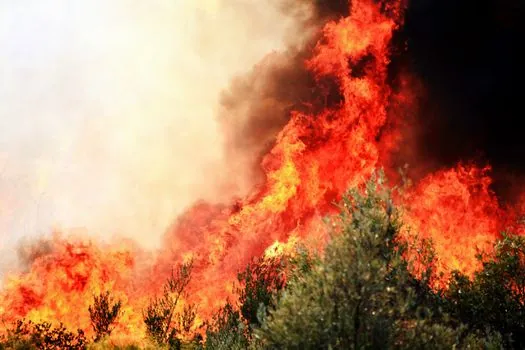
Typical firefighting electrical architecture layers devices by zone: Ex i flow and pressure switches in Zone 1/2 feed a safe-area fire alarm panel; the panel drives Ex d alarm horns and beacons in Zone 1; foam pump starters sit in Ex d motor boxes with Ex e marshalling, all linked via Ex d/Ex e certified cable and glands [S3][S4].
For a basic fire sprinkler riser room that is itself unclassified but feeds a classified process area, the panel can be safe-area with Ex i barriers at the field interface, which is the lowest-cost compliant topology and is widely used on offshore modules [S3].
For a fully classified foam pump skid in Zone 1, the practical choice is a single Ex d motor starter with an Ex e marshalling compartment, because mixing Ex d and Ex e inside one housing is permitted only when the protection concepts are separated by an internal partition and the boundary is documented in the Ex certificate [S1].
Standards, Documentation, and Common Failure Modes
Specifiers should require ATEX 2014/34/EU, IEC 60079 series, and where relevant GOST-R documentation for Eurasian projects, with the IECEx scheme for cross-border acceptance, and should verify Group, Zone, and Temperature Class markings on each device nameplate before installation [S1][S4].
Common failure modes are field-side rather than device-side: third-party cable glands replacing Ex d certified glands, missing flamepath grease after re-assembly, and using general-purpose (non-Ex) terminal blocks inside an Ex e box, each of which downgrades the loop from compliant to non-compliant even with a valid enclosure certificate [S1][S4].
Another frequent error is specifying an Ex i detector but powering it from a non-barriered loop, or routing an Ex i cable with non-Ex i cable in the same tray without segregation, which destroys intrinsic-safety segregation and is a typical AHJ (Authority Having Jurisdiction) rejection cause on offshore firefighting installations [S3][S5].
Selection Checklist for Firefighting-Side Equipment
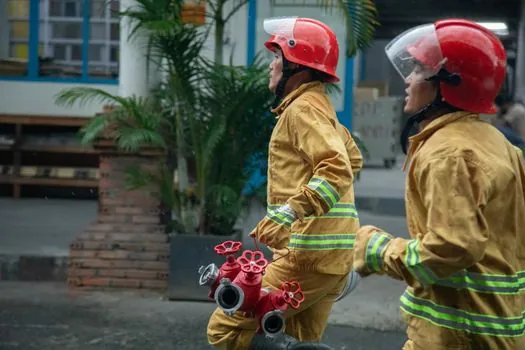
Define the zone map first (Zone 1 vs Zone 2, gas group IIA/IIB/IIC, temperature class T1 to T6), then assign each firefighting device a protection concept: Ex i for sensors and supervisory switches, Ex e for marshalling, Ex d for alarm devices and motor starters, Ex p for large control rooms [S1][S3].
Lock the material and IP spec next: AISI 316L for offshore/coastal, AISI 304 for indoor, IP66 minimum, IK08 or better, and confirm cable glands are part of the Ex certificate, not a separate commodity line [S1][S4].
For a deeper look at how protection concepts map onto confined-space entry, the spec-first selection of explosion-proof electrical for confined space entry walks through similar Zone 1/Zone 2 logic on a smaller footprint, while explosion-proof electrical catalogs the full device family and explosion-proof distribution covers MCC and power-distribution choices that often drive the fire pump skid side of the same project.
Trackable signals to monitor: (1) IEC 60079 series amendments and ATEX 2014/34/EU guidance updates published by the European Commission; (2) NAM fire-protection market announcements for Ex-rated flow and pressure switches; (3) class society (ABS, DNV, Lloyd's) rule updates for offshore firefighting electrical installations, which periodically tighten material and ingress requirements.
For component-level specifications, see explosion proof.