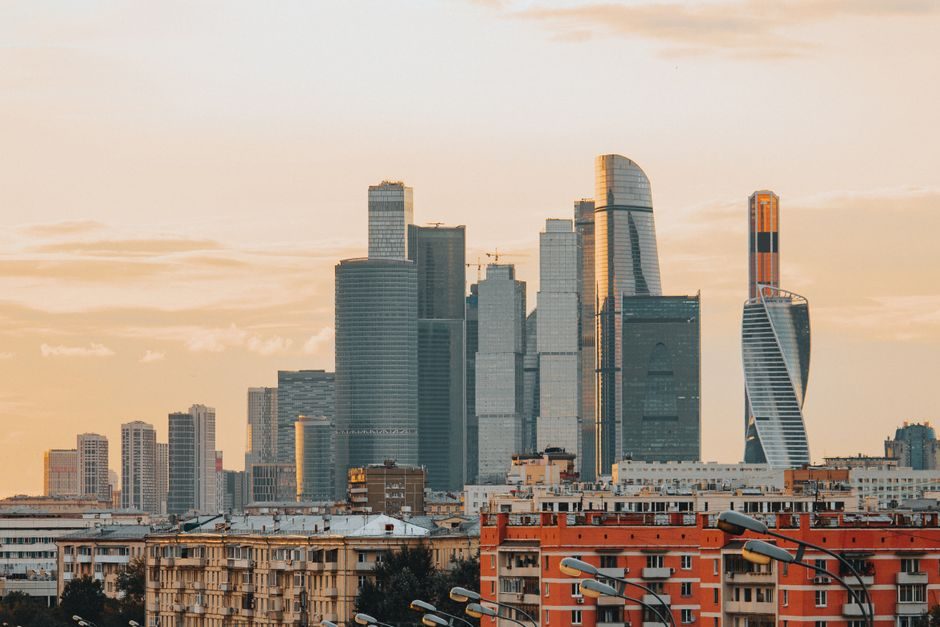
Electrolytic copper cathode graded Cu-CATH-1 at 99.99% Cu remains the 2026 reference grade, with Made-in-China wholesale listings on 2026-06-08 showing "High Purity Electrolytic Copper" priced at US$ 7.50–8.00/kg on 100 kg MOQ from a Wuxi-based supplier [S4].
Selection in 2026 hinges on three verifiable checks — LME grade registration, ASTM B115 / Cu-CATH-1 chemistry limits, and port-of-origin LME-bonded warehouse access — before vendor brand is even considered, a pattern that holds across the broader 2026 metals sourcing landscape, including Aluminum Ingot 2026: Price Stack, Grade Bands, and Sourcing Map and Steel Rebar 2026 Market: Size, Demand Drivers, and Spec Selection Map.
Cu-CATH-1 vs Cu-CATH-2 vs Cu-ETP: Grade Bands and Decision Criteria
Cu-CATH-1 (LME registered, 99.99% Cu min) is the only grade routinely accepted for wire rod, magnet wire, and high-conductivity busbar contracts; Cu-CATH-2 (99.95% min) is widely used for brass mill feed and general-purpose rod; Cu-ETP (Electrolytic Tough Pitch, ASTM B49) covers rod and strip where 100 ppm oxygen is acceptable [S4].
A criteria-based comparison for 2026 buyers: purity Cu-CATH-1 ≥99.99% / Cu-CATH-2 ≥99.95% / Cu-ETP ≥99.90%; electrical conductivity Cu-CATH-1 = 101% IACS (annealed) vs Cu-ETP ≈ 100% IACS; oxygen tolerance Cu-CATH-1 < 0.04% (typically < 100 ppm) vs Cu-ETP 0.02–0.06%; typical end-use Cu-CATH-1 = wire rod, magnet, busbar vs Cu-ETP = motor windings, transformer strip.
Where the Supply Sits in 2026: China as the Wholesale Node
Made-in-China product-search telemetry from 2026-06-08 indexes copper cathode listings from Jiangsu (Wuxi), Shanghai, and Guangdong wholesalers, with electrolytic cathode offered on metric-ton MOQ and scrap-cathode lots on smaller minimums [S4].
For non-China buyers the practical 2026 path is sourcing via Shanghai or Tianjin bonded warehouses under LME warrants, then routing via the Yangtze or Bohai cluster; this mirrors the same Aluminum Sheet Suppliers 2026: China Capacity, Alloy Bands, and Sourcing Map node structure that already dominates flat-rolled aluminum sourcing.
Selection Criteria: Five Tests Before a Trader or Producer Is Approved
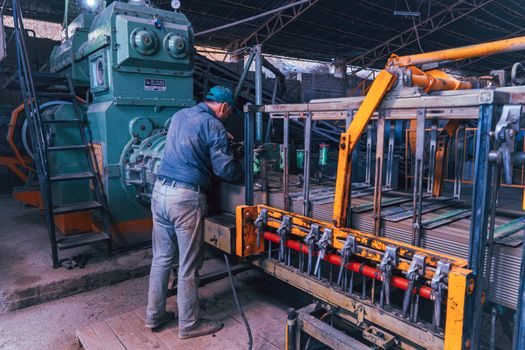
Test 1 — LME brand listing: only LME-registered cathode brands clear bond and warrant finance, and the public LME approved-cathode list is the authoritative gate. Test 2 — ASTM B115 / GB/T 467 chemical limits: 99.99% Cu, plus impurity ceilings for S, O, Fe, Ni, Zn, As typically < 0.0015% each for Cu-CATH-1. [S1]
Test 3 — mill test certificate scope: each heat must carry Cu, S, O, and trace impurity breakdown, not just a single Cu% number. Test 4 — port-of-origin and warehouse bond: LME-bonded at Shanghai, Tianjin, or Singapore (MEPS) cuts demurrage. Test 5 — container- vs break-bulk discipline: full container-load lots on 25 t basis with sealed bundles keep the cathode sheet-edges intact and reduce oxidation claims.
Price Stack and MOQ Reality in 2026
The June 2026 Made-in-China listing puts 99.99% electrolytic copper cathode at US$ 7.50–8.00/kg, 100 kg MOQ, FOB China — a level consistent with the LME cash-settlement band after freight and premium adjustments [S4].
Procurement total-cost stack 2026: LME cash + regional premium (US$ 200–400/t typical Asia, varies) + Shanghai bonded-warehouse handling (~US$ 30–50/t) + inland truck/rail + ocean freight + financing (LME warrant rates). Anything quoted more than ~3% below the published LME cash + premium figure deserves a warranty and origin audit, not a discount acceptance.
Who Should Buy Cathode Directly, and Who Should Not
Direct mill-scale buyers (wire-rod plants, brass mills, busbar extruders pulling ≥ 500 t/month) should contract LME-registered brands with quarterly cathode-price formula (LME cash + premium) and call-option clauses. Mid-volume fabricators (50–500 t/month) should buy via bonded-warehouse warrants or trader call-off contracts — full-cathode lots aren't economical at single-pallet scale.
Small buyers (< 50 t/month) should not buy cathode at all: they should buy wire rod, copper bar, or copper strip from a service center carrying the same Cu-CATH-1 pedigree. Buying cathode in < 1 t lots from open-market traders is the single biggest 2026 quality-risk path, because sheet-edges oxidize, batches get mixed, and MTC traceability breaks. For broader risk-grid context, see Manganese Ore Supply Shortage and Risk Map: 2026 Spec Bands, Sourcing Nodes, and Price.
Limits, Failure Modes, and What "Top Company" Actually Means
There is no publicly auditable "top 10" copper cathode producer ranking for 2026 with disclosed volumes and grade mix in the available research material — the "top companies" framing in most listicles is editorial, not transactional. A more useful working definition: top supplier = LME-registered brand + audited Cu-CATH-1 chemistry + bonded-warehouse presence + multi-year MTC traceability. [S2]
Common 2026 failure modes: (1) mixing Cu-CATH-1 with Cu-CATH-2 within one container — buyer receives 99.95% when 99.99% was contracted; (2) oxidation-darkened sheet edges from poor container humidity control, triggering rejection at rod-mill entry; (3) MTC missing S or O values, blocking acceptance under NACE MR0175 sour-service downstream routes even though cathode itself isn't sour-service rated; (4) trader changing origin mid-contract (Chile → Zambia, or Chile → DRC) without notice, invalidating the buyer's ESG and conflict-mineral declarations.
Trackable 2026 signals: LME copper cash-settlement versus the US$ 7.50–8.00/kg Made-in-China wholesale reference [S4]; Shanghai bonded-warehouse cathode warrant stocks; and LME brand-list additions or delistings in 2026 H2. Cathode chemistry is governed by ASTM B115 and GB/T 467-2010; sulfur-sensitive downstream routes additionally require NACE MR0175; for the broader non-ferrous sourcing grid, the Copper Cathode 2026: Supply Nodes, Price Stack, and Sourcing Map reference covers the producer-side detail.
The underlying component specifications are covered under copper material, pressure transmitter, and flow meter.