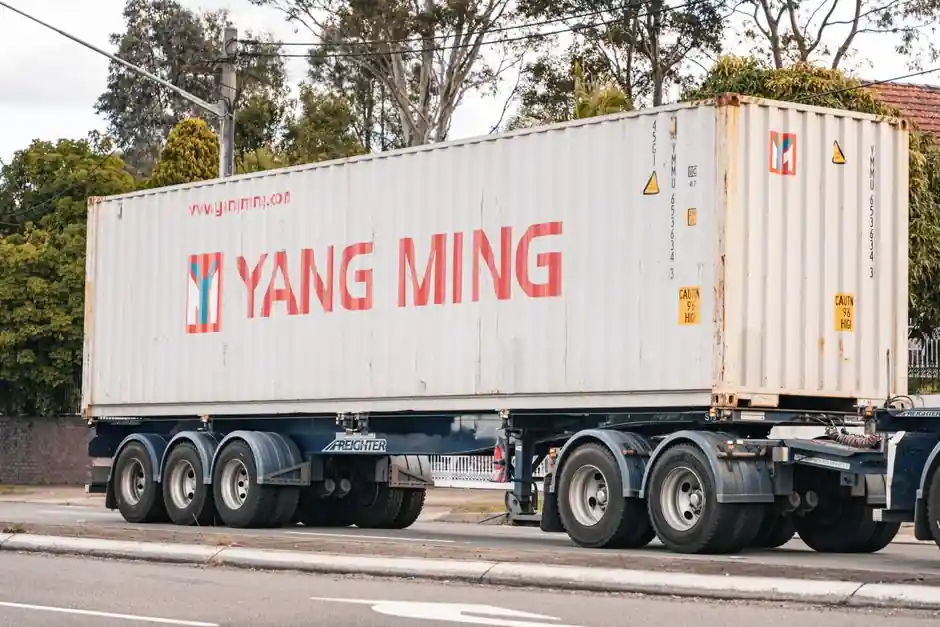
A truck scale specified for a chemical shipping yard is not the same instrument as one bolted into a quarry gate, and the 80,684 USD per-violation DOT fine ceiling for knowing hazmat infractions makes the difference measurable [S4]. Specifiers in 2026 are weighing three technology lanes (analog strain gauge, digital CAN-bus, hydraulic) against NTEP/legal-for-trade accuracy, ATEX/IECEx zone rating, and UN/DOT packaging documentation flow.
This article lays the decision map for selecting a truck scale at a chemical plant or 3PL loading dock: load-cell choices, foundation options, hazardous-area rating, accuracy tier, and the integration points that keep inbound and outbound tickets audit-ready. It draws on 2026 vendor and integrator guidance, the dump truck loading envelope, and the standards that govern hazmat freight.
Hazardous-Area Classification Drives the Indicator, Not the Deck
For chemical facilities, the weighbridge deck (concrete or steel, pit or surface) is largely commodity hardware; the binding spec gate is whether the load cells, junction boxes, and indicators must live in a classified area. A facility shipping Class 3 flammables, Class 8 corrosives, or oxidizers typically needs Zone 1 or Zone 2 protection around the scale pit, and the indicator enclosure, cabling, and load-cell certification have to match the same zone map the rest of the plant uses [S2].
Integrators in 2026 frame the choice between analog strain-gauge load cells, digital CAN-bus cells, and hydraulic cells primarily as a trade-off between diagnostic depth, lightning immunity, and hazardous-area certification cost [S6]. Digital CAN-bus cells surface per-cell diagnostics (signal drift, temperature, overload) and shorten troubleshooting, but each cell becomes a certified component; analog cells are cheaper per channel but push diagnostic burden into the indicator.
NTEP Accuracy Tier, Legal-for-Trade, and the Audit Trail
A chemical-scale ticket is more than an internal record; it feeds shipping papers, billing, and DOT weight compliance. Legal-for-trade operation in the US requires NTEP-certified indicators and load cells, with typical truck-scale divisions in the 0.1-lb to 20-lb range depending on platform capacity, and the indicator must support sealed calibration, audit trail printing, and remote ticket dispatch [S1][S2].
Calibration drift in chemical service is accelerated by deck washdown, acid fume exposure, and thermal cycling, so plan a minimum of two verification cycles per year and keep test-weight traceability documentation on file. The integration side is where most audit findings originate: indicator-to-ERP data must carry timestamp, scale ID, vehicle ID, product code, and driver signature to satisfy DOT review under 49 CFR [S4].
Load-Cell Technology Comparison for Chemical Service
Three options dominate the 2026 shortlist for chemical-plant truck scales, and the right pick depends on which failure mode hurts most. The comparison below lines them up against four decision criteria that matter in hazardous, washdown-heavy yards. [S1]
Analog strain-gauge (compression or shear) cells are the lowest-cost route, well understood by every scale tech, and available with hermetic stainless construction for corrosive atmospheres, but they offer limited per-cell diagnostics and are more sensitive to lightning-induced surge damage. Digital CAN-bus cells from the same families cost more per channel, yet provide individual cell health, temperature, and overload data; surge protection is typically built into the home-run cable, and they are favored where the scale is a shared asset between production and shipping. Hydraulic load cells are niche in chemical service but attractive for very heavy platforms (off-road tankers, ISO container drayage) because they tolerate mechanical shock and overload, at the cost of needing a separate hydraulic power unit and more frequent fluid maintenance [S6].
A practical decision rule: choose analog for fixed installation in non-classified, low-lightning areas; choose digital CAN-bus when the scale is mission-critical, when service response time is long, or when the yard feeds multiple data systems; choose hydraulic only for unusual mechanical shock or overload cases that rule out strain-gauge cells.
Foundation, Deck, and Environmental Protection
Pre-fab steel and concrete foundations have compressed install times to hours rather than weeks, which matters when an existing pit fails or a new lane is being added to a loading dock [S7]. Surface-mounted decks avoid civil work entirely and are the go-to for temporary or relocated operations, while permanent in-ground pits are still preferred at high-traffic chemical gates where drive-over comfort and ice/debris accumulation are concerns [S1].
High-temperature and high-humidity service is a real constraint: chemical plants in hot climates, or near process steam vents, need decks rated for sustained thermal exposure, and the guide literature in 2026 specifically calls out that selecting a heavy-duty electronic platform scale involves more than matching a weight capacity figure to a load type [S8]. Drainage, deck slope, and chemical-resistant coatings on the steel approach ramps are the secondary spec items that determine how long the foundation stays serviceable.
Integration with Shipping, Hazmat Documentation, and Carrier Workflow
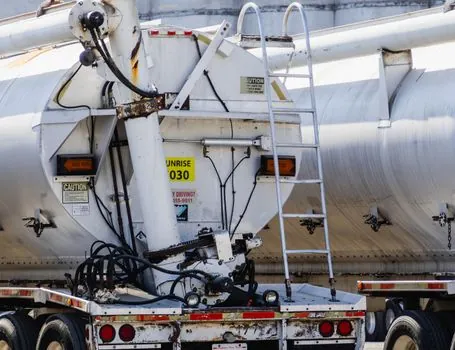
The truck scale ticket is the start of the hazmat paper chain, not the end. Packing Group I chemicals require UN-certified packaging rated at 1.8 times the vapor pressure at 50 °C, and placards are required on all four sides of vehicles carrying hazmat exceeding 1,001 lb aggregate gross weight; both rules need a verified net weight to apply correctly [S4]. Shipping papers must be within immediate reach of the driver or in the driver's door pocket per 49 CFR 177.817, and the emergency response telephone on those papers has to be monitored 24/7 with technical information capability [S4].
In practice, the scale indicator hands the net weight to a weighing system that prints the bill of lading, generates the UN/NA shipping description, and triggers placard selection. Where the yard also handles non-hazmat chemicals (paints, surfactants, cleaning compounds), the same scale can run both workflows as long as the software enforces the right document set per load. A related cross-industry example of how spec gates drive the equipment shortlist is covered in the TIG welder selection for plumbing installation: 2026 spec gates piece, where compliance logic and material choice interact the same way.
Who the Chemical-Service Truck Scale Is For, and Where It Overkills
This specification profile is built for chemical manufacturers, 3PL hazmat warehouses, bulk-liquid terminals, and any operation shipping products that fall under the nine DOT hazard classes, especially Class 3, 5.1, and 8. It also fits paint, coatings, and adhesive producers whose base chemicals are not DOT-regulated but whose flash points and pH still demand washdown-rated load cells and sealed junction boxes [S3][S4].
It is overkill for dry-bulk aggregate, agricultural grain, or waste-transfer operations where a basic NTEP analog scale is sufficient; those buyers can step down to a standard weighbridge and skip the hazardous-area premium [S5]. Conversely, for sites already running explosion-proof lighting and instrumentation, the marginal cost of specifying the scale to the same zone is small and removes a future retrofit risk. The same logic shows up in adjacent spec maps like the Emergency light selection for oil and gas: spec gates, wattage tiers, and zone mapping article, where zone classification sets the equipment envelope before capacity and run-time are even considered.
Failure Modes, Maintenance Windows, and Total Cost
The most common chemical-yard scale failures in 2025-2026 field reports are lightning surge damage to analog cells, water ingress at the junction box, and chemical attack on deck coatings and approach ramps, not the load cells themselves. A 5-year total-cost view should price in at least two calibration visits per year, one cell-replacement contingency, and a planned indicator firmware update cycle of 3-5 years to keep vendor support active [S2][S8].
For a typical 80,000-lb gross vehicle weight chemical gate, a 70-ft steel-deck pit scale with NTEP-certified analog load cells and a Zone 2 indicator is the common baseline, with digital CAN-bus cells as a 15-25% capital uplift that pays back in diagnostics if the scale is on a critical outbound lane. Surface-mount and pre-fab foundations cut install days from weeks to a single shift and are worth specifying whenever the site layout is likely to change in the next 5-7 years [S7].
Verify before purchase that the scale vendor can supply factory mutual or ATEX/IECEx certificates matched to the yard's actual zone drawing, that the indicator supports sealed audit-trail logging, and that the integration partner has shipped chemical-hazmat ticket flows under 49 CFR in the last 24 months. The next nodes to track are any 2026 NTEP Handbook 44 updates affecting legal-for-trade divisions above 120,000 lb, and whether the planned IEC 60079 series revisions shift Zone 1 cell certification costs; both will reset the spec if they land in the next two certification cycles.
The underlying component specifications are covered under chemical anchor.