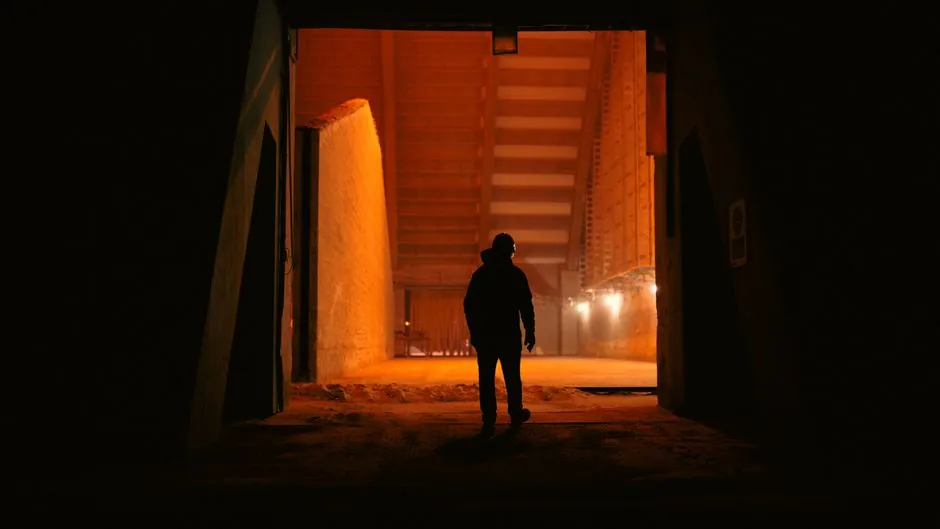
In tunnel construction, a floor grinder is specified by three numbers first: power head rating in kW, grinding width in mm, and dust extraction port class, because ventilation and headroom determine the envelope before abrasive bond is even discussed [S1][S2].
For road and rail tunnel inverts, the dominant applications are coating and shotcrete-lump removal during liner prep, profile correction to FHWA-recommended tolerances, and final polish before track slab pour, each calling for a different grinder class [S1][S3].
Power Head and Working Width Ranges
Handheld angle-grinder-style units in the 1.5-2.5 kW range cover edge work and rebar-cleaning tasks where crew members remove excess mesh and shaving shotcrete lumps in the 401/409 tunnel project, a documented use case for compact grinders on tunnel invert prep [S3].
Walk-behind floor grinders for tunnel invert profiling typically run 5-15 kW with 450-800 mm working width, large enough to span a rail-tunnel walkway or a 2-lane road-tunnel invert lane in 2-4 passes without crowding the ventilation duct [S2][S6].
Planetary vs. Rotary Head Selection
Planetary heads use a stationary large plate driving 2-4 smaller satellite discs at independent speeds, and they deliver more even pressure across larger areas, which suits polishing and light profiling of cured tunnel invert concrete [S2].
Rotary heads use geared 1-2 large discs in direct contact with the floor, weigh more per kW, and excel at aggressive removal, the configuration that has been used to drop invert levels in unlined rail tunnels where crown-cutting was not viable [S2][S4].
For tunnel work specifically, planetary is the default for finish and polish passes on the cured invert, while rotary is the default when the goal is to remove 8-25 mm of material to correct vertical alignment, a tradeoff between finish quality and removal rate [S2][S4].
Dust Control and Ventilation Constraints
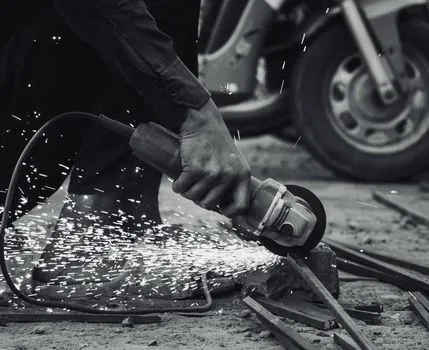
Tunnel grinding without M-class or H-class extraction is a non-starter in any tunnel longer than 50 m because silica-bearing dust accumulates faster than the ventilation system can clear, and OSHA-style permissible exposure limits drive wet-suppression or sealed HEPA extraction specification [S5].
Pre-operational checks on a tunnel job include verifying water hose integrity, nozzle aim at the grinding wheel, and a sealed shroud connected to a 3000+ CFM dust collector, because a leak anywhere in that chain can push the workspace above respirable-crystalline-silica limits within minutes [S5].
Wet vs. Dry Grinding in Confined Inverts
Wet grinding suppresses dust at the source and is preferred for indoor or below-grade pours, but it produces slurry that must be vacuumed simultaneously and creates a slip hazard on the freshly ground invert if drainage is not pre-planned [S5].
Dry grinding with HEPA extraction is faster on the line, easier to clean up, and is the typical choice for road-tunnel invert profiling where slurry management would clog the existing drainage system, provided the dust collector is H-class rated for silica [S2][S5].
Diamond Tool Bond Matching Concrete Hardness
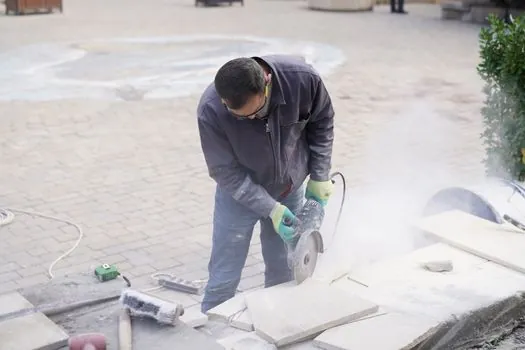
Soft-bond diamond segments expose fresh abrasive faster and are specified for hard, cured tunnel invert concrete above 4,000 psi, while hard-bond segments last longer on softer, green concrete below 3,000 psi and reduce segment glazing [S2][S6].
Metal-bond diamond tooling in 16-30 grit handles the coarse removal passes on shotcrete-lump shaving and rebar-cleaning operations, and is the documented segment class used to smooth the 401/409 tunnel invert before the liner machine moves through [S2][S3].
Comparison: Grinder Class vs. Tunnel Application
Across the four typical tunnel applications, the decision matrix lines up roughly as: handheld 1.5-2.5 kW for rebar/mesh cleanup; mid-size planetary 5-9 kW for coating removal and light profiling; heavy rotary 10-15 kW for invert lowering and 8-25 mm depth correction; and dedicated road-header or continuous-miner-derived machines for full tunnel cross-section re-profiling, a class beyond walk-behind floor grinders [S2][S3][S4].
Specifying engineers should also weigh three secondary criteria: power source (electric for tunnel gas-classified zones, diesel-prohibited), three-phase availability, and whether the head can pass through a 1.2 m diameter emergency cross-passage, because logistics often rule out an otherwise ideal machine [S1][S4].
Power Source and Hazardous-Zone Compliance
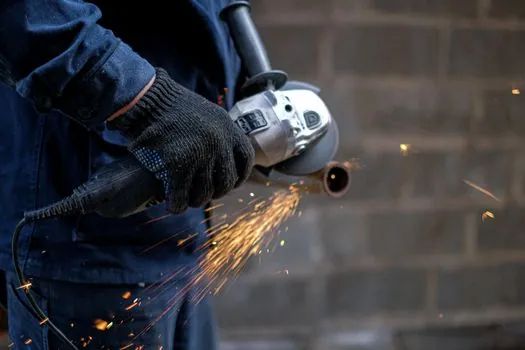
Electric drive is mandatory in tunnels classified for gas or with limited ventilation, and the supply must support the inrush current of a 15 kW grinder on a soft-start VFD, otherwise the unit will trip the tunnel's 400-500 kVA temporary distribution on start [S1][S2].
For tunnel work where a construction tools inventory already includes welders and cutters, the same electrical infrastructure should be sized for the largest single load plus 25% headroom, a planning rule that prevents the grinding pass from blacking out a heading [S1].
Selection Criteria Checklist for Engineers
Match the grinder to (1) material removal depth required, typically 0-5 mm for prep, 5-15 mm for profile correction, 15-25 mm for alignment drop, (2) tunnel cross-section and ventilation, (3) dust extraction class, (4) power availability, and (5) segment bond hardness, in that order, before considering brand or price [S2][S5][S6].
For cutting companion work in the same tunnel heading, tunnel construction cutter selection: disc, scraper, and chain spec map covers the abrasive and chain tool side, while rebar coupler selection for tunnel construction covers the structural connection side that often runs in the same heading and shares the same 400-500 kVA temporary distribution panel.
Track the FHWA NHI-09-010 tunnel manual revisions for invert tolerance language and the next EN 13892 resin-floor standard update, since these two documents set the numeric pass/fail lines a tunnel floor grinder is judged against after the pour.
For component-level specifications, see construction machinery and equipment.