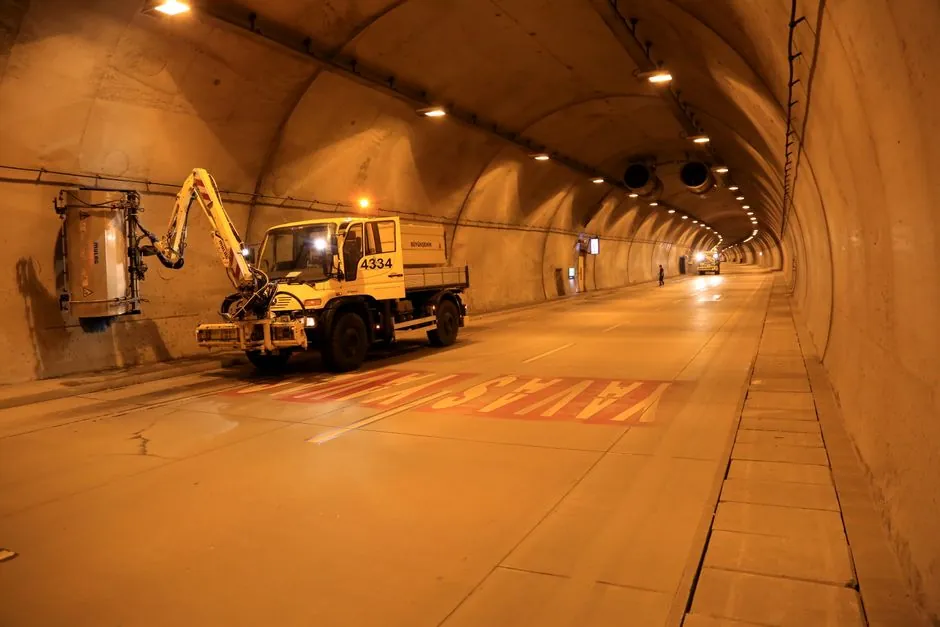
Underground tunnel and shaft construction demands continuous fresh concrete within tight haul windows, so on-site batching plants in the 30-200 m³/h band are the default for rail, metro, and mining drives, while a 3.33 m³ per-batch plant is the scale cited for the second tube of the Gotthard Base Tunnel segment yard [S6].
Selection is governed by four binding variables: shotcrete versus segmental casting, project duration, tunnel access, and the mix-design library (microsilica, steel fibre, accelerators, retarders) the contractor must dose on the fly [S1][S3].
Project Type Drives Plant Architecture
Tunnel lining and shaft concreting need automated weighing of cement, aggregates, water, and admixtures because tunnel lining concrete must hold uniform strength across thousands of metres of placement; any batch drift shows up as cracking or water ingress later in service [S1]. On-site stationary plants in the 80-200 m³/h class suit long-duration drives such as base tunnels and metro sections where the plant runs for years, while mobile plants in the 20-80 m³/h class with 1-3 day install times suit short bores and emergency repair work [S2]. For continuous mining or TBM drives where haul distance is short, an on-site wet-mix plant inside 30 km of the heading is the typical specification, since wet-mix begins setting once water is added; dry-mix plants are reserved for remote shafts where haul exceeds 100 km and slump loss in the truck would otherwise kill the mix [S2]. A full review of mobile versus stationary trade-offs is captured in the concrete batching plant types guide.
Wet-Mix vs Dry-Mix for Shotcrete
Wet-mix shotcrete batches all materials, including water, at the plant, then pumps or trucks the plastic mix to the nozzle where accelerator is dosed in line, giving tighter rebound and dust control for NATM primary lining in soft ground [S2][S3]. Dry-mix shotcrete conveys dry constituents through the hose and adds water at the nozzle, which keeps the mix workable over longer pump distances and is preferred where accelerator demand is low or the heading ventilation is poor [S3]. Simem Underground Solutions supplies both configurations as a single skid, with ring-pan or twin-shaft compulsory mixers rated for the abrasive steel-fibre and microsilica blends used in modern sprayed concrete linings [S3]. For batched wet-mix output, a ring-pan mixer such as the 1 m³ Liebherr unit on the Dulles Corridor Phase 1 project, driven at 48 kW with a rotary agitator for fibre dispersion, delivered 30 m³/h (about 109 m³/day) on a 2-minute cycle, enough to feed NATM advance on an 18.8 km metro bore [S5].
Admixture and Fibre Handling Is the Make-or-Break Sub-Spec
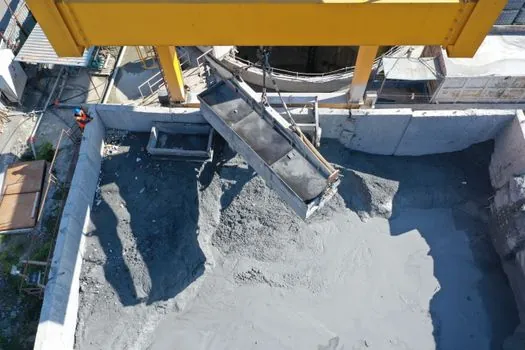
Modern tunnel linings depend on microsilica, steel fibre, and chemical admixtures (retarders, accelerators, plasticisers) that have to be weighed and dosed independently of the four core ingredients, so the batching plant must include a separate microsilica silo with its own screw conveyor and weigher, a vibration-bowl fibre feeder, and at least three liquid-admixture channels with flow meters [S5]. On the Dulles plant, microsilica was stored in a dedicated silo with screw discharge and a separate weigher; steel fibres were metered through a vibration bowl onto a belt conveyor; a retarder was dosed to hold a 3-hour workability life before the truck reached the heading [S5]. For deeper mines and water tunnels, the same architecture is used to add accelerators at the nozzle for early strength gain; for shaft backfill and annular grout the same plant typically runs a grout recipe with finer cement and bentonite, so the control system must hold multiple recipes without cross-contamination of the weigh hoppers [S1][S3]. The reference cement concrete mix design page lays out the grade targets (typically C30 to C50) that drive those recipe tables.
Footprint, Mobility, and Underground Logistics
Heading-adjacent sites rarely have the laydown area a ready-mix yard needs, so containerised or skid-mounted plants dominate the market. The Liebherr Easymix 1.0 packs the mixer, aggregate bins, water tank, and control room into a single 40 ft container with a steel base, eliminating the foundation pour; only the weigh hopper and cement screw arrive on separate pallets, and the whole assembly is shrink-wrapped for winter operation [S5]. Mobile plants in the 60-90 m³/h class (e.g., the Liebherr Mobile 90 used at the A3 Hindhead Tunnel in southern England) trade the containerised layout for fast redeployment between tunnel portals and short bores, where the priority is erect-strip time over absolute output [S5]. For TBM segment yards, the same capacity band is paired with a universal carousel and a heated casting hall; MCT Group's South Korea tunnel-segment facility runs a tailor-made batching plant feeding a carousel that produces both tunnel segments and railway sleepers from the same mix header [S4]. Capacity planning links directly to concrete tool selection downstream, since segment demoulding, spraying robots, and the delivery truck cycle all have to be sized to the plant's batch cycle time.
Comparison Table: Batching Plant Types for Tunneling
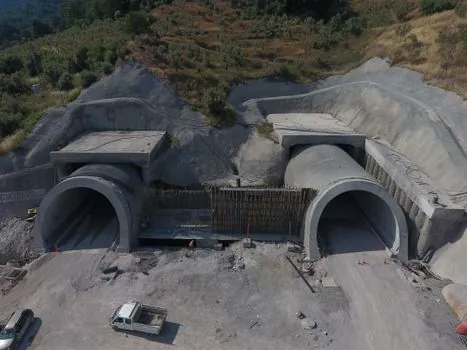
The matrix below lines up the four common configurations against the criteria a tunnel engineer actually weighs on a bid.
- Stationary wet-mix (80-200 m³/h): high output, fixed foundation, long-duration base tunnels and metro drives; the right answer when the plant runs more than 18 months and the portal has rail or heavy-truck access [S2].
- Containerised wet-mix (30-60 m³/h, e.g., Liebherr Easymix 1.0): single-container footprint, no foundation, winterised; best for NATM bores in tight urban or mountain portals where the heading moves continuously and the plant relocates every 1-3 km [S5].
- Mobile wet-mix (60-90 m³/h, e.g., Liebherr Mobile 90): 1-3 day install, road-mobile; suits short bores, multiple portals, and emergency repair where the contractor will redeploy the asset between contracts [S2][S5].
- Dry-mix shotcrete plant (variable output, mixer optional): water added at nozzle; preferred for remote shafts and headings with pump distances above 100 m, or where accelerator demand is low and rebound control is not critical [S2][S3].
Standards, Quality Control, and Failure Modes
Tunnel-lining concrete is a YMYL class: a bad batch fails as cracking, water ingress, or reduced section capacity years after handover, so the plant's automated weighing and control loop is the primary quality gate. Modern plants run automated weighing with closed-loop control software, which removes the batch-to-batch drift that manual batching introduces, and ties each batch to a printed or logged record for QA handover [S1]. For mining tunnel lining and shaft construction, the failure modes the plant must address are ground-pressure-induced cracking, water infiltration through cold joints, and strength loss from long haul times, all of which are mitigated by dosing retarders for workability life and accelerators for early strength [S1][S5]. The on-site plant also lets the contractor run multiple grades (lining, invert, grout, segment) on the same weigh header without truck-mixer cross-contamination, which is the operational reason it has displaced delivered ready-mix on most modern drives [S1][S2].
Spec Checklist Before You Order
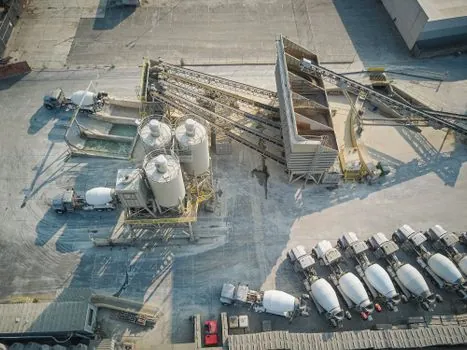
Match the plant to the longest single concrete operation in the programme, not the average, because under-sizing creates the supply gap that drives haul-time failures in lining concrete [S1]. Confirm that the admixture dosing rack has at least three independent liquid channels plus a dedicated microsilica silo and a steel-fibre feeder, since retrofitting these after delivery is the single most common source of project delay on NATM bores [S5]. Insist on a control system with recipe storage for lining, invert, grout, and segment grades, and on a batching cycle time at or below 2 minutes at the rated output, so the plant does not become the bottleneck when the heading cycle is tight [S2][S5]. For a useful adjacent walk-through of the concrete vehicle mixers that sit between plant and heading, and how their drum speed rules interact with retarder dosing, follow that link. Trackable signals over the next reporting window: tender notices for major base-tunnel and metro drives in 2026 H2, and any new ATEX or IEC 60079-zone rated admixture dosing skids for tunnel headings classified as gassy or dusty, since underground classified zones are the next compliance pressure point for batching packages on TBM sites.
Background reading: Pile Driver Selection for Demolition: Hammer Class, Hydraulics, and Soil Match.