When a single process diaphragm fails on a double-diaphragm pump, the intermediate ring pressurises to full line pressure within seconds, and that same pressure propagates through the sensing line into the pressure switch cavity [S1].
The standard mitigation is a two-diaphragm stack with a sealed intermediate ring monitored by a dedicated pressure switch wired to trip the pump and sound a remote alarm, with optional conductivity probes used as a secondary path for low-conductivity fluids [S1][S2][S4].
How a Rupture Reaches the Switch Enclosure
A Milton Roy mROY rupture detection system uses two PTFE diaphragms separated by a hollow intermediate ring; under normal operation the diaphragms are pushed together and the ring holds atmospheric pressure, so the gauge reads 0 psi [S1].
If either diaphragm tears, process fluid rushes into the intermediate ring, the ring pressure rises rapidly to the pump's operating pressure, and the pressure switch wired across the ring sees full line pressure on its process port [S1][S2]. A low cracking pressure check valve and a bleed valve sit between the intermediate ring and the pressure gauge, so trapped air and lubricant can be purged at commissioning and the switch sees a clean, fast pressure step on rupture [S1].
For pumps where the switch is mounted directly on the head, the same path pressurises the switch enclosure internals, which is why the mROY manual calls out NEMA 4 and explosion-proof pressure switch wiring variants in its installation section [S1].
Sensor Choices: Pressure Switch vs Conductivity Probe
A pressure switch senses the mechanical pressure rise in the intermediate ring and is largely media-independent, making it the default detection element on Milton Roy mROY A and B metering pumps [S1].
A conductivity probe senses the change in electrical conductivity between the diaphragms caused by ingress of conductive process fluid, and is offered as a secondary path on mROY A and B lines [S1]. The Neptune double-diaphragm design deliberately avoids conductivity probes because they can fail to detect the presence of oil or low-conductivity liquids after a diaphragm failure, so Neptune uses a pressure switch wired to shut off the pump and/or sound a remote alarm instead [S4].
In practice, pressure-switch detection is the universal path and conductivity probing is added where the process fluid is highly conductive and a redundant electrical trip is wanted; for low-conductivity or oil service, stick with pressure-only detection [S1][S4]. Reference pressure switch design notes also confirm that elastomer diaphragms are widely used as the elastic element that decouples the piston from the process medium in corrosive or hazardous service [S3].
Why the Enclosure Is the Weak Point
A pressure switch is built around an elastic element (bourdon tube, piston, diaphragm, or membrane) that reacts to system pressure and trips internal electrical contacts at a setpoint; in a standard mechanical switch one side of the piston is exposed to the fluid and the other to atmospheric pressure [S3].
If the elastic element itself is the same diaphragm that has ruptured, or if the sensing line is fed from a failed intermediate ring with no isolation valve, the process fluid migrates straight into the switch body and out through conduit entries [S1][S6]. Pressure switch diaphragms in this role are typically thin-wall elastomer or PTFE elements selected for media compatibility rather than burst pressure, so they have a finite life and are the planned failure point [S6].
Once fluid is inside the enclosure, the failure escalates from a process leak to an electrical hazard: contaminated contacts, shorted conduit, and on hazardous-area switches a compromise of the explosion-proof joint [S1]. For full process isolation in aggressive media, the more common arrangement is to put an indirect-sensing diaphragm in front of the piston so the process fluid only ever touches a chemically resistant elastomer element, with the switch mechanism kept dry [S3].
Detection System Specifications and Wiring
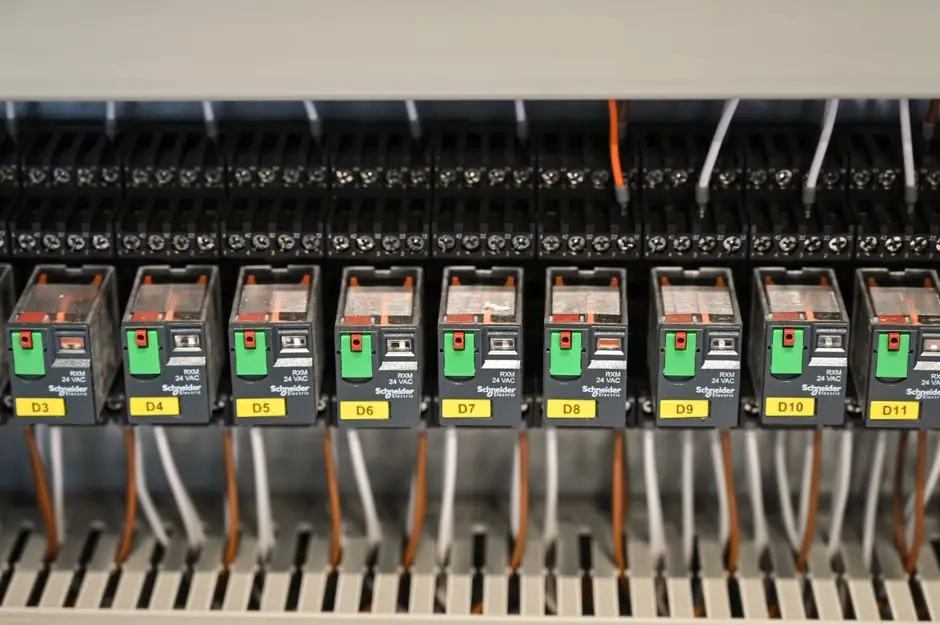
The mROY A and B rupture detection system is available factory-installed or as a retrofit kit for field installation, with a parts list that includes a dedicated pressure switch, intermediate ring, low cracking pressure check valve, and bleed valve [S1].
Field wiring is documented separately for NEMA 4 and explosion-proof pressure switch variants, and the leak detector typical wiring diagram in the manual shows the switch contacts wired to a relay coil that drops the pump motor contactor on trip [S1]. On double-diaphragm metering pumps the diaphragm condition is monitored by a pressure switch which can be wired to shut off the pump and/or sound a remote alarm, with the redundant diaphragm continuing to seal the process while the primary is being replaced [S2][S4].
Maintenance access is built in: the manual dedicates a section to diaphragm replacement, including a head bolt tightening pattern (Figure 2) so the diaphragms are clamped evenly and the intermediate ring seal is not pinched [S1].
Failure Modes That Mimic or Mask a Rupture
Air and lubricant that has not been completely purged from the intermediate ring at start-up will give a false positive: the trapped air compresses on each pump stroke and the pressure switch sees a pulsing signal that can look like the early stage of a rupture [S1].
The bleed valve installed between the intermediate ring and the pressure gauge exists specifically to vent this air; the manual walks operators through purging in Section 2 so the gauge sits at 0 psi under normal conditions [S1]. On elastomer diaphragm valves used elsewhere in the same process, similar minor sealing issues present as pressure instability, leakage, and unexpected shutdowns, so a baseline pressure-trend reading on the switch is essential to tell commissioning air from a real event [S7].
Severe diaphragm damage in a process valve can corrode internal valve components and accelerate leakage into adjacent instrumentation, which is why a sudden baseline shift on a pressure switch tied to a pump head should be treated as a probable rupture until the intermediate ring is bled and inspected [S8].
Selection Criteria: Who Needs This, and What to Specify
Two-diaphragm leak detection is for services where contamination of the process fluid by pump hydraulic oil cannot be tolerated, or where a single diaphragm failure must be sensed immediately and the pump stopped before the second diaphragm follows [S4].
It is not needed for open hydraulic circuits where minor oil seepage is acceptable, and it is not a substitute for a mechanical pressure relief device on the discharge side. Specify a double-diaphragm (dry-coupled) head with a sealed intermediate ring, a dedicated low-cracking check valve and bleed valve for commissioning, a pressure switch matched to the pump's maximum discharge pressure with the correct enclosure rating (NEMA 4 or explosion-proof), and a wiring path that trips the motor contactor and raises a remote alarm on detection [S1][S4].
Add conductivity probes only when the process fluid is conductive and a redundant electrical trip is wanted, and review the related guidance on diaphragm pump head design and diaphragm valve elastomer selection to keep the sensing element chemically compatible with the process [S1][S4][S7]. For broader context on indirect pressure sensing elements used in switches, the process calibration reference covers setpoint and deadband practice for clean shutdowns [S3].
Track two signals over the next quarter: OEM release notes for retrofit rupture-detection kits on existing mROY A/B fleets, and any field-service bulletins on pressure switch enclosure corrosion after a documented single-diaphragm event; both indicate where the industry is moving the sensing element off the pump head and onto an isolatable manifold. For related reading on sealing and gland practice, see how many gland packing rings a stuffing box actually needs.