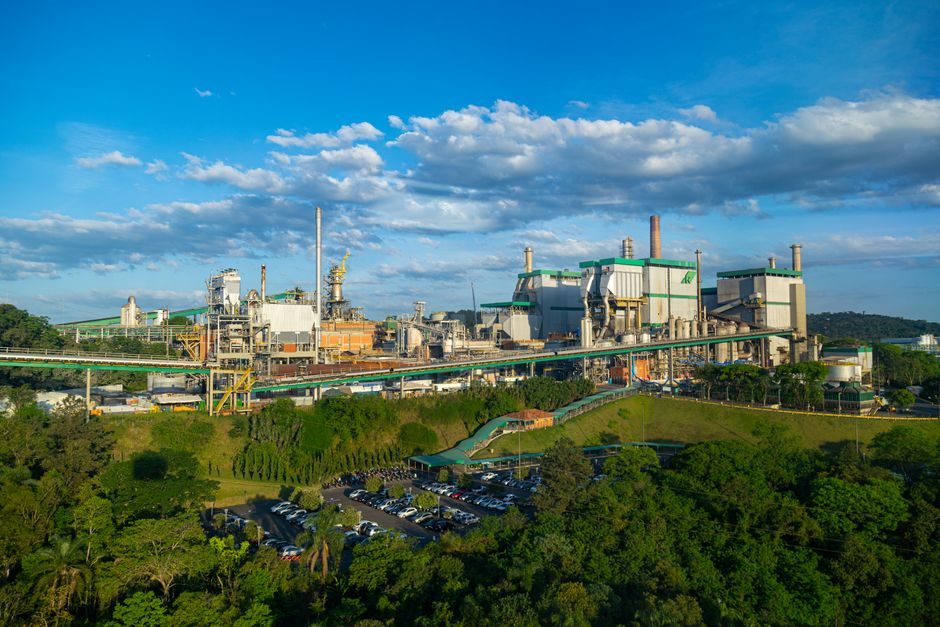
Green hydrogen's value chain splits into a renewable-electricity-fed upstream (electrolyzer stacks, water treatment, rectifiers, BoP) and a downstream that converts H2 into ammonia, methanol, sustainable aviation fuel (SAF) and shipping bunker fuel; on 2026-07-14, the most concrete project activity sits in Latin America, where Chile's Magallanes hub moved into environmental permitting and Argentina listed green hydrogen among the initial triggers of its Súper RIGI investment regime [S2].
Across the same window, BNamericas logged 20.31 GW of new transmission access approved on 2026-07-08, Uruguay's renewables chamber previewed its Congreso LATAM Renovables agenda, and HDF Energy opened an Expression of Interest for a PV-plus-hydrogen plus BESS build in Jamaica, all of which feed upstream renewable offtake for electrolyzer projects [S2]. A GIZ supply-side study of Chile hydrogen financing published 2026-07-13 maps the bankability hurdles that sit between pilot FID and commercial scale [S2].
Upstream Stack: Electrolyzer Technologies and Renewable Coupling
Two electrolyzer architectures dominate commercial offtake: proton-exchange-membrane (PEM) units, which tolerate variable renewable input and run at higher current density, and alkaline designs, which carry lower stack cost but slower dynamic response; the choice cascades into rectifier sizing, deionized-water specification and the pressure transmitter range required on the H2 product line [S3][S4].
For grid-tied or islanded microgrids, Mathworks' Simulink reference model couples a solar PV array, battery energy storage and a DC bus feeding the electrolyzer, with the BESS sized to smooth stack loading when PV output drops below the electrolyzer's minimum turn-down [S4]. Stack-instrumentation practice on these units leans on flow meter skids for hydrogen product, cooling-water mass-flow balance and oxygen vent measurement, plus industrial valve manifolds for sectional isolation during cell-replacement campaigns.
Downstream Conversion: Ammonia, Methanol, SAF and Shipping Fuel
Downstream, the four derivative pathways with the most Latin American project announcements in the first half of 2026 are ammonia (Haber-Bosch coupling, mostly for fertilizer export), methanol (green-chemicals and shipping fuel blending), e-SAF via Fischer-Tropsch or methanol-to-jet routes, and marine bunker fuel where FuelEU Maritime and the proposed IMO Net-Zero Framework are reshaping offtake demand [S2].
BNamericas' 2026-06-25 note framed the question bluntly: methane, ammonia and methanol derivatives are the three molecules Latin America can position for the shipping decarbonization wave, and the same dispatch lists Petrobras' subsea-processing roadmap and the Itaipu PTI-PY green-hydrogen generating-unit inspection on 2026-07-03 as supporting infrastructure signals [S2]. Detailed comparison of PEM versus solid-oxide stack choices and their balance-of-plant cost share is covered in the Fuel Cell Stack Supply Chain 2026 reference.
Selection Criteria: Where PEM, Alkaline and SOFC Fit
Stack selection follows three decision criteria: dynamic operating range (PEM accepts wider renewable input swings, alkaline is steadier), purity requirement at the H2 product header (PEM delivers higher pressure and cleaner gas, easing downstream compression), and installed CapEx per kW of nameplate capacity, where alkaline still carries the lowest stack cost but demands more rectifiers and water-treatment balance-of-plant. [S1]
A second decision gate is the downstream offtake contract: ammonia and methanol plants need steady, high-purity H2 streams that favour PEM or hybrid designs, while mobility and refueling applications accept lower pressure and intermittent supply that alkaline plus compression can serve at lower lifecycle cost. For projects pairing electrolysis with battery storage, the upstream and downstream spec boundaries follow the same toolchain logic described in the BMS Upstream and Downstream reference.
2026 Project Pipeline: Chile, Argentina, Brazil, Uruguay, Jamaica
Chile: the Magallanes cluster hosts HyPro Aconcagua, Colbún's Magallanes build and Hydrus phase 1/2, with one derivative project entering environmental permitting and another expected to clear approval within the first half of 2026 per the 2026-07-13 GIZ supply-side financing study [S2].
Argentina: green hydrogen and data-center capacity are named as initial triggers of the Súper RIGI investment regime in coverage dated 2026-06-27, while Brazil advances the Uberaba Green Fertilizer (UGF) and the Campo Novo do Parecis industrial plant, both green-ammonia-anchored [S2]. Uruguay's renewables chamber AUDER is positioning the country as the next step in regional energy transition ahead of Congreso LATAM Renovables on 2026-07-14, and HDF Energy opened a Jamaica PV+hydrogen+BESS Expression of Interest on 2026-07-02 [S2].
Bankability Hurdles and Cost Levers
ReneEnergy's 2026-07-13 positioning is blunt on why hydrogen project studies drag for months and stall: generic LCOH assumptions and disconnected offtake modelling routinely kill bankability, so feasibility work has to bind renewable yield modelling, electrolyzer duty cycle, and downstream offtake contract into one integrated financial model [S1].
The same consultancies stress that technology-comparison deliverables (PEM vs alkaline vs SOFC), location-specific capex, and phased investment-grade reporting are what move a project from concept to FID; that mirrors the supply-side friction GIZ mapped in Chile on 2026-07-13 [S1][S2]. For a full breakdown of cost levers, electrolyzer mix and import-corridor economics, the Green Hydrogen Supply Chain 2026 reference carries the line-by-line modelling assumptions. Green H2 Solutions extends the same value-chain scope from renewable electricity through to offtake markets, framing project delivery as a single integrated chain rather than separate EPC packages [S5].
Instrumentation and Standards Boundaries
Across both upstream and downstream, the same pressure sensor families show up on H2 product headers, oxygen vent lines, ammonia synthesis loops and methanol reactor feeds, with the difference being wetted-material selection (316L for clean H2 service, duplex or alloy-lined for chloride-rich seawater-electrolysis brines) rather than the sensor technology itself. [S2]
Process control on these hybrid plants typically routes through a PLC layer handling interlocks, servo motor-driven modulation on compressor anti-surge and BESS PCS, and a higher-level historian logging stack voltage, cell temperature and H2 purity for warranty and offtake verification [S4]. Stack-pressure safety instrumentation on PEM skids has to clear IEC 60079-classified area requirements wherever hydrogen is vented indoors, and the same applies to ammonia storage and loading arms downstream.
Limitations, Failure Modes and Sourcing Watch
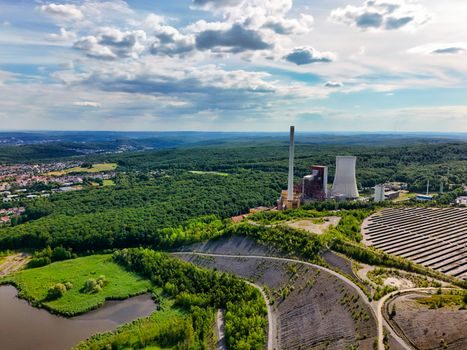
The technical failure modes the 2026 Latin American coverage keeps flagging are renewable offtake curtailment (electrolyzers idled when the grid or PPA cannot deliver), water-quality drift on the deionized loop, and the persistent shortage of bankable offtake contracts for derivatives, particularly SAF and methanol bunker blends, where FuelEU Maritime and the IMO Net-Zero Framework are still finalizing compliance language [S2].
Two trackable signals to watch before 2026-Q4: (1) the second-half 2026 FID announcements out of Chile's Magallanes cluster and Brazil's Uberaba green-fertilizer project, and (2) the Argentine Súper RIGI beneficiary list once data-center and hydrogen projects are formally admitted, both of which will reset the upstream electrolyzer order book and the downstream derivative offtake map [S2].