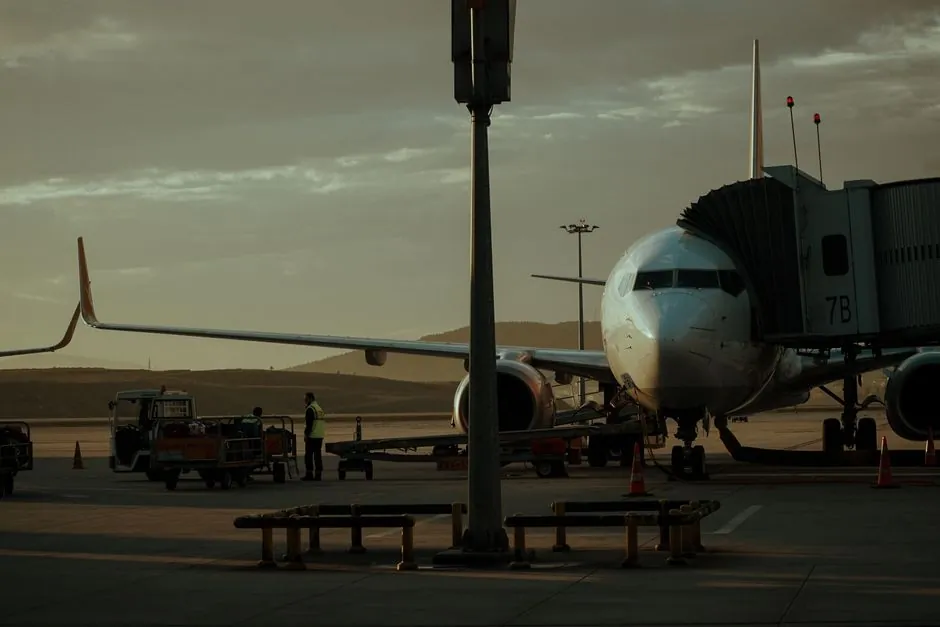
Air-cargo IBC selection is governed by three hard gates: IATA Dangerous Goods Regulations (DGR) for any hazardous fill, a UN performance mark on the tank itself, and a 30-month retest interval per 49 CFR 180.352 [S5]. Composite HDPE-in-steel-cage totes in the 275-330 gal (1040-1250 L) plastic band, or 350-793 gal stainless units, are the two structural families flown most often [S3].
For non-hazardous liquids, the binding constraints become airframe pallet envelope, fill ratio under cabin/cargo pressure swings, and valve torque security against vibration. A 1000 L composite IBC at roughly 1200×1000×1150 mm fits standard ULD footprints when shrink-wrapped and strap-restrained to its pallet base [S4].
Capacity, Footprint, and Why "1000 L Composite" Is the Air Default
The 45"×45" (1143×1143 mm) base footprint is the de facto IBC pallet interface, matching a standard drum pallet and letting forklifts or pallet jacks stage the tote without special rigging [S1]. Within that footprint, a 1000 L composite sits at the sweet spot of the 275-330 gal (plastic) range, while 793 gal (3000 L) stainless tanks fill the heavy-duty end [S3]. A 330 gal (1250 L) composite replaces six 55 gal drums in the same envelope of roughly four palletized drums, a 150% space-density gain that matters when airlines bill by ULD volume [S1].
Air-mode selection diverges from road or sea because every kilogram on a ULD displaces revenue cargo: a 350 gal stainless tote at ~470 lb tare is over 2× the empty mass of a 275 gal HDPE composite [S1]. For chemical or coating shipments under 1500 kg payload, the 1000 L composite is the lowest-tare option that still passes UN 31 HA / 31 HZ packagings. Standard outside dimensions of 1200×1000×1150 mm let the tote pass typical 1200 mm warehouse doors and align with EN 13698-1 pallet footprints [S4].
Material, Wall, and Frame: Where Air Mode Forces Tighter Specs
Three IBC constructions compete for air lanes: HDPE inner bottle in a galvanized steel cage (composite), stainless steel (304/316), and carbon steel. Composite is the default because HDPE resists a broad solvent and acid range and the steel cage absorbs forklift impact [S1]. Stainless wins for flammables, aggressive acids, and reuse cycles beyond five years; a maintained stainless tote can reach 10 years of service life [S1]. Carbon steel is reserved for non-corrosive, non-regulated fluids where tare weight is acceptable.
Air transport adds two stresses that road freight ignores: cabin pressure differential (typically 75-100 kPa equivalent at cruise) and sustained vibration from turbine harmonics. Selection rules: galvanized frame thickness ≥ 2 mm with grid base, T-shaped pallet rated ≥ 1500 kg static load, and HDPE bottle wall thickness verified by UN drop and leakproof tests [S4]. Operators should reject "thin iron sheet" frames; hand-pressing the pallet should produce no visible deflection [S4]. For food or pharmaceutical fills, FDA or EC 1935/2004 certification is mandatory, in addition to UN marking for any hazardous content [S4].
Valves, Seals, and Closure Torque Under Vibration
Valve selection drives drainage speed and leak risk. Ball valves at DN50 handle high-viscosity liquids like grease and are the manual default; butterfly valves at DN80 deliver faster drain-out for low-viscosity solvents but need periodic core lubrication [S4]. "Straight-through plastic valves" clog under waxy or particulate media and should be excluded from air-mode specifications [S4].
Closure integrity matters more in the air than on a chassis: pressure cycling plus 8-12 hours of turbine vibration can walk a marginal gasket. End-users cap torque to OEM spec, then re-torque after the first 30 minutes of road transport to the airport to settle the gasket [S2]. For viscous residues, tilting the tote 10-15° on wooden blocks uses gravity to clear residual heel that would otherwise slosh and load the valve during climb [S4]. Post-drain, rinse with potable water and blow dry with compressed air to prevent crystallization across the seat [S4].
UN, FDA, and 49 CFR 180.352: The Three Marks That Gate Acceptance
Every air-shipped IBC must carry a UN performance mark (e.g., 31 HA1 / 31 HZ1 for composite, 31 A for stainless) stamped on a metal plate, with month and year of manufacture and the issuing country code. Without that mark, the unit is a non-DOT/UN package and airlines reject it for any class on the IATA DGR list [S4][S5]. For U.S. domestic flights, 49 CFR 180.352 mandates a periodic retest at least every 30 months for composite IBCs, and every 60 months a thickness test for stainless UN-marked units; the test date must be stamped on the tank [S5].
For FDA-regulated or EC 1935/2004 food-contact shipments, the same tote must additionally carry the food-grade certificate and a fitting/liner set that has not previously held a non-food chemical unless a documented cleaning pass is on file. Operators shipping lithium-ion precursors, polymerization catalysts, or aggressive oxidizers should pair the UN mark with a chemical compatibility chart entry marked "compatible (✓)" from the bottle supplier; soaking a bottle sample for 24 hours in the fill is a low-cost field check before first flight [S4]. The same closure discipline is described in our IBC tank reference page, which lists UN code families and the 30/60-month retest windows by construction.
Air-Mode Packing, Labeling, and ULD Loading
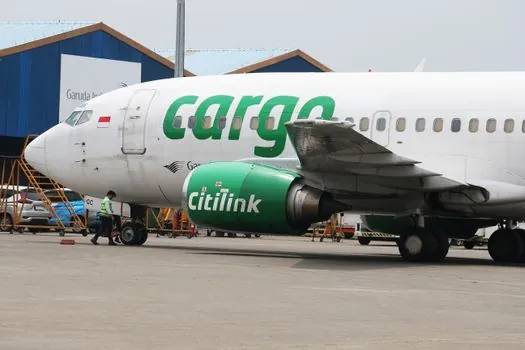
Air-mode packing sequence is fixed: clean the tote, inspect for cracks or loose fittings, fill to a level that leaves 5-8% ullage for thermal expansion at cruise altitude, fit a torque-checked valve and gasket, fit the lid with a tamper-evident seal, and shrink-wrap to the pallet with two polyester straps minimum [S2]. The pallet must be aircraft-rated; standard EUR1 / EUR2 pallets at 1200×800 mm or 1200×1000 mm both fit, but the larger 1200×1000 mm footprint eliminates overhang on 1000 L composite units [S4].
Labeling must show the product name, the UN number and proper shipping name (Class 3 flammable, Class 8 corrosive, etc.) when applicable, the hazard class label per IATA DGR Section 7, handling orientation arrows, and the shipper/consignee with 24-hour emergency contact [S2]. Non-hazardous shipments still need orientation arrows and a "Flammable Liquid" or "Corrosive" removal of any prior label, since residue marks trigger airline refusal. The container and its IBC fittings, valves, covers, and couplings should be sealed so no fitting can back off under vibration; mismatched or used valves are a top rejection cause at cargo acceptance [S2]. For pneumatic handling in the warehouse, an air impact wrench is the right tool to drive valve bolts to repeatable torque on the line.
Cost, Rental, and Lead-Time Trade-Offs
Purchase pricing is dominated by material: a new 1000 L composite tote lands at roughly 1/3 the price of a 793 gal stainless unit of the same UN rating, but only the stainless unit clears 10 years of service life, versus 3-5 years for a maintained composite [S1]. Rental programs from regional fleets charge daily, monthly, or yearly rates and bundle cleaning, recertification, and pickup, which converts a capex line into opex and absorbs the 30-month retest cost [S3].
Lead time matters in air mode because missed cargo flights cascade: new composite totes ship in 2-4 weeks from Asia-Pacific mills, while stainless UN-marked units run 6-10 weeks because of weld inspection and pressure-test cycles [S3]. For spot demand under 30 days, rental is the only realistic source. Container choice also depends on the application: stainless for a long-term paint-resin contract, poly for a one-off agricultural pesticide lift [S5].
Who Air-Cargo IBC Selection Is For, and Where It Fails
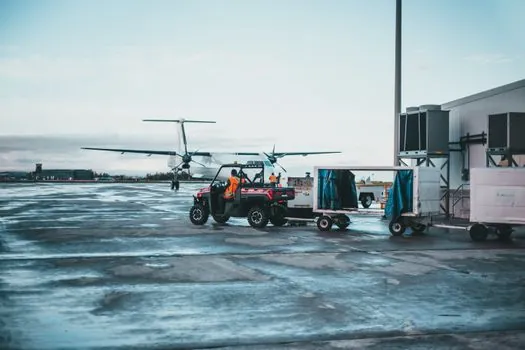
This selection frame fits chemical distributors, coatings makers, flavor and fragrance houses, and pharmaceutical excipient shippers moving 500-3000 L per consignment under tight delivery windows. It also fits MRO operations flying replacement solvents or clean-in-place chemicals to remote plant sites, where a single 1000 L composite replaces 18+ drums and cuts handling labor. [S2]
Where it does not fit: class 1 explosives, class 7 radioactive, and certain class 5.1 oxidizers require specialized packagings beyond the UN 31 family, and high-pressure liquefied gases need UN pressure-receptacle tanks (ISO 49 CFR 178.x) rather than atmospheric IBCs. Sea freight remains more economical for non-time-critical loads above 10 t per shipment, where ISO tank containers at 5,500 gal win on per-liter cost despite slower transit. Road transport is the right answer when the lane is short and the IATA surcharge exceeds the time saving. The decision map in our Pinch Valve Selection for Chemical Processing: Sleeve, Pressure, and Media Criteria reference covers the matching valve end of an IBC system, and our Industrial solvent selection for fabrication: 2026 spec map cross-checks solvent compatibility against the HDPE/stainless boundary discussed above.
Limitations, Failure Modes, and Trackable Signals
Three failure modes drive most in-flight or acceptance rejections: gasket walk-down under vibration (mitigated by re-torque after first 30 minutes of road transport), valve seat crystallization from residual solvent (mitigated by water rinse and compressed-air blow-dry), and frame deflection from overstacked ULD loading (mitigated by the ≤ 2-high stacking rule for composite totes and 3-high for stainless under warehouse conditions) [S4][S5]. Beyond that, weight-out limits on narrow-body freighters cap a single ULD at roughly 1500-1800 kg net, so a fully filled 1000 L composite at ~1040 kg of payload sits under the cap, while a filled 793 gal stainless at ~2700 kg of water equivalent needs a split consignment.
Operators with hazmat air-freight programs should also verify EC 1935/2004 status for any European food-contact lane and revalidate chemical compatibility charts every 12 months, since supplier resin batches drift. The same selection discipline that gates an IBC tank air shipment also drives a related class of pressure-side decisions covered in our tank container reference, where ISO 1496-3 frame and 24,000 L cargo-tank rules apply once the consignment outgrows the 1500 kg ULD cap and steps up to a sea-going frame.