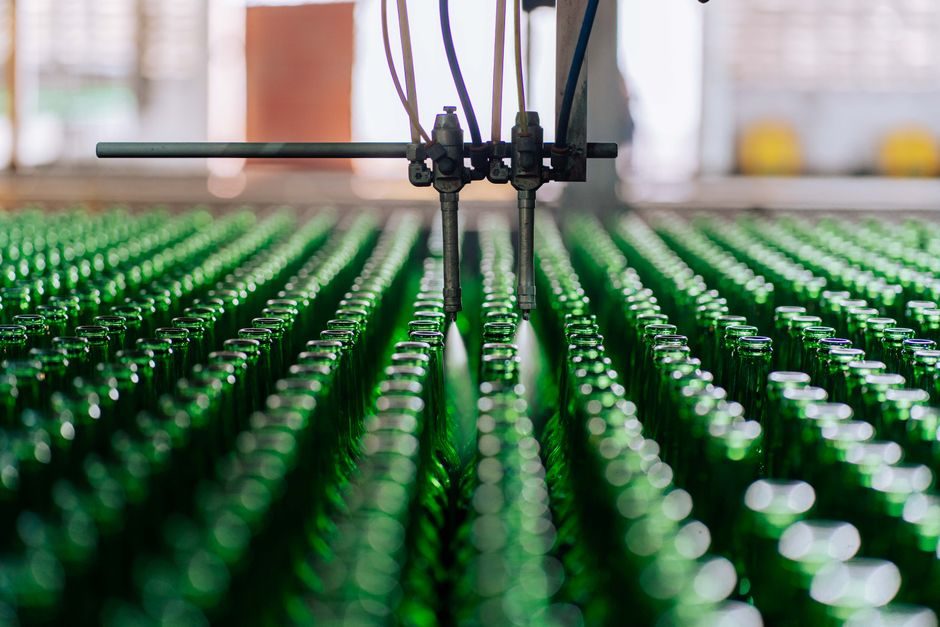
Membrane-based water treatment systems built in 2026 are converging around three coordinated layers: automated membrane element production (RO 8040, UF, NF, seawater elements), PLC/HMI-controlled skid assembly, and remote SCADA-based process monitoring with real-time CIP and dosing feedback [S3][S6].
Atec Neu-Ulm, with more than 25 years in membrane filtration system design, supplies microfiltration, ultrafiltration and nanofiltration skids explicitly described as "very energy saving" and built around the reuse of process baths and rinsing fluids [S1]. Made-in-China.com lists a category of OEM/ODM RO membrane suppliers offering 8040 elements and complete RO systems with MOQ starting at 10 pieces and per-piece pricing at US$ 200 for high salt-rejection membrane stock [S3].
Membrane Element Manufacturing: RO, UF, NF and FRP Vessel Integration
Industrial reverse osmosis 8040 elements, low-pressure RO membranes, seawater membranes and UF hollow-fibre elements are typically shipped together with FRP pressure vessels, Runxin control valves and multistage pumps, forming a factory-pre-assembled skid rather than a loose parts list [S3].
FRP vessels (commonly 2.5", 4" and 8" diameters and 300 psi / 600 psi / 1000 psi ratings) carry the membrane stack and tie directly into the high-pressure pump train, so vessel selection dictates the operating envelope of the whole RO rack [S3]. Anuj Enterprises, in operation since 1999, complements this membrane core with downstream STP, ETP, UF, DM and Pressure Sand Filter packages, with ISI-certified materials and in-house QA mandated by the company policy [S2].
Automation Stack: PLC, HMI, SCADA and Remote Telemetry
Atec documents its water-treatment automation as a turnkey discipline covering PLC programming, HMI development, SCADA integration and remote diagnostics, applied since the company's founding to both membrane filtration skids and surrounding utility plants [S1].
Chinese utility automation platforms of the same family connect intake pump stations, raw-water wells, treatment works, booster stations and the distribution network into a single dispatch software layer that pulls live operating data and CCTV snapshots, and remotely actuates pumps and valves [S6]. This is the architectural template that membrane skid builders are extending: the membrane rack becomes one node in a wider SCADA graph, with differential pressure, permeate conductivity and CIP temperature trended against setpoints rather than read off local gauges [S1][S6].
Selection Criteria: Membrane Type vs. Feedwater vs. Duty Cycle
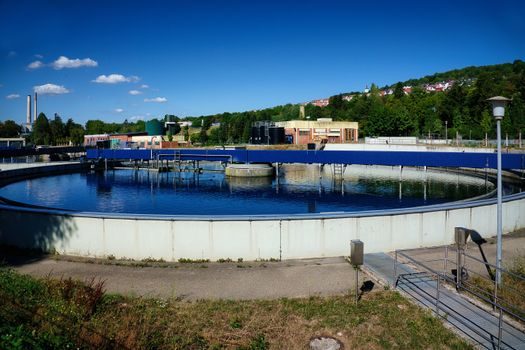
Selection breaks cleanly along three axes: pore size (MF 0.1-10 µm, UF 0.01-0.1 µm, NF ~0.001 µm, RO sub-nanometre), operating pressure (UF/MF at 0.5-3 bar, NF at 5-30 bar, brackish RO at 10-30 bar, seawater RO at 55-85 bar), and chemical tolerance (pH range, free-chlorine limit and temperature ceiling of the polymer) [S1][S3].
A degreasing-bath duty at Atec, for example, runs on UF to separate oil and particulate from the cleaning medium, with the permeate returned to the bath and the concentrate sent to liquid waste, rather than treating the same stream through RO [S1]. For drinking-water containerised plants and PV-industry rinse-water recovery, NF is positioned where divalent ions need rejection but monovalent salts are acceptable, while seawater RO is reserved for high-TDS feeds [S1][S3].
Closed-Loop Recovery and Energy Discipline
Atec's published value proposition — recycling process baths and fluids to cut water, chemical, waste-disposal and energy consumption — is operationally a closed-loop control problem, not just a chemistry choice [S1]. Realisation requires automated conductivity-triggered bleed, level-controlled permeate return, and CIP sequences gated on differential-pressure rise, all of which fall under the same PLC envelope as the membrane rack itself [S1][S6].
Treatment of caustic soda lye, phosphating baths and vibratory-finishing wastewater are explicitly listed applications where membrane filtration is paired with bath-life extension rather than single-pass discharge, and the membrane rig is sized to the bath volume and shift loading to keep recovery rates economically meaningful [S1]. This is also where MBR retrofits onto existing activated-sludge plants slot in: the membrane module replaces the clarifier, and the SCADA layer is re-used rather than rebuilt [S1].
Failure Modes, Maintenance Windows and Retrofit Constraints
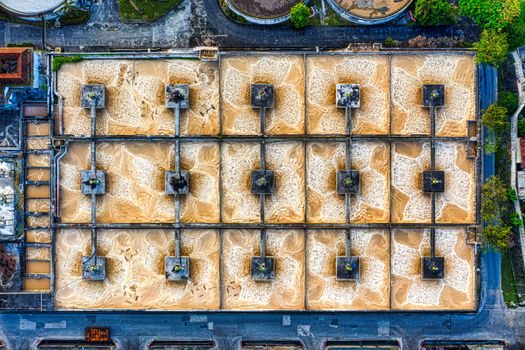
Common membrane-system failure modes are fouling (tracked as dP rise across the vessel), scaling (tracked as recovery-vs-conductivity drift), chemical attack (tracked as rejection loss after pH excursions) and seal/element O-ring failure on pressure cycling [S1][S3].
Maintenance is dominated by CIP frequency, element replacement interval (typically 3-5 years for brackish RO, shorter on high-fouling feeds) and FRP vessel re-pressure testing, all of which are easier to plan when the rack is SCADA-monitored rather than manually walked [S1][S6]. Retrofitting MBR into an existing activated-sludge basin constrains the hydraulic profile and mixed-liquor suspended solids window, so the membrane cassette selection has to be matched to the upstream biology rather than chosen independently [S1].
Vendor Map and Spec Bands Worth Quoting in 2026 RFQs
The relevant vendor map splits into three tiers: European system integrators such as Atec Neu-Ulm (membrane filtration skids plus automation, 25+ years in business) [S1]; Indian turnkey plant builders such as Anuj Enterprises (STP/ETP/UF/DM and agitator-aerator lines, ISI-marked materials, operating since 1999) [S2]; and Chinese OEM/ODM membrane element and component factories offering 8040 RO, seawater, low-pressure and UF membrane stock with housings, Runxin valves and pumps bundled into one shipment [S3].
For procurement, the meaningful spec bands to demand in an RFQ are: membrane type and nominal rejection, element dimensions (e.g. 8040 = 8" × 40"), vessel pressure rating (300 / 600 / 1000 psi), flow envelope at design temperature, CIP recipe and chemicals accepted, and the SCADA protocol list (Modbus TCP, PROFINET, OPC UA) plus the remote-telemetry interface [S1][S3][S6]. Material compliance (NSF/ANSI 61 for drinking-water, ISI marking for Indian projects, ISO 9001:2015 for general QA) is consistently flagged by suppliers in the category [S2][S3].
Related Smart-Manufacturing Coverage
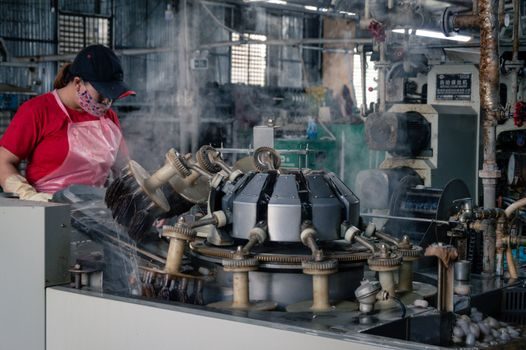
Smart-manufacturing disciplines on adjacent process lines — packaging machinery, food processing, pharma and plastic tank fabrication — are converging on the same PLC/SCADA + remote-telemetry stack that water-treatment membrane builders now use [S3][S6]. The mapping of membrane selection against feedwater chemistry and duty cycle follows the same logic as the Smart Food Processing Equipment 2026 automation map and the Pharma Smart Manufacturing Automation 2026 equipment spec map, where PLC + SCADA + CIP gating is now table stakes rather than an upgrade [S1][S2][S6]. Atec's own description of very energy-saving membrane filtration skids designed for process-bath recycling is a direct engineering precedent for closed-loop chemical recovery in smart packaging machinery automation stacks and similar process lines [S1].
Track over the next reporting cycle: (1) whether system integrators such as Atec formally publish OPC UA / MQTT interfaces for their membrane skids, replacing vendor-proprietary SCADA drivers; (2) whether Chinese RO/UF element factories move from MOQ 10-piece spot supply toward container-load OEM contracts with bundled FRP vessels and Runxin valve assemblies; and (3) whether Indian turnkey builders such as Anuj Enterprises extend ISI marking to UF and RO skids alongside the existing ETP/STP lines [S1][S2][S3].
For the relevant spec sheets and selection criteria, see additive manufacturing material, and heat treatment furnace.