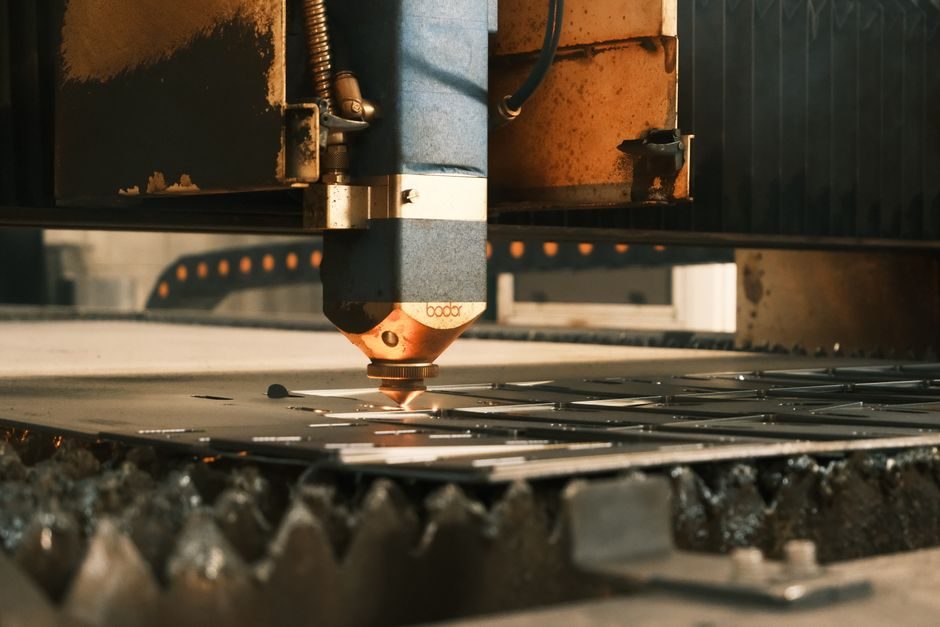
Smart manufacturing in the natural gas value chain now spans OEM meter production, automated gas-engine remanufacturing, and MES-based batch control for fuel processing — a stack of digital tooling that sits on top of conventional metalwork and metrology. China's gas-meter OEM/ODM base alone accounts for hundreds of certified factories carrying ISO 9001:2008 and ISO 14001:2004 audits across the Made-in-China.com gas-meter category, with a procurement surface that explicitly groups Electrical & Electronics, Manufacturing & Processing Machinery, and Metallurgy, Mineral & Energy [S1].
Three layers are converging: shop-floor MES for batch fuel processes, IIoT instrumentation on the finished meter or valve, and robotic remanufacturing of reciprocating gas engines and pumps. The bandwidth of change is uneven — meter bodies and brass components are still high-volume metalwork, but the control layer above them is shifting fast.
Definition and Scope: What Counts as a "Smart" Natural Gas Production Line
For this article, smart manufacturing in the natural gas sector covers three distinct process types: (a) OEM production of gas meters, regulators, and connecting hardware such as swivels, meter nuts, and dust caps [S5]; (b) automated batch control of fuel treatment, mixing, and compression in plants that feed gas engines or turbines, which is the explicit target market for the Polaris Automation Chordata Batch MES [S2]; and (c) remanufacturing of large natural gas engines and pumps, where tear-down, inspection, and reassembly are increasingly scheduled by software rather than paper routers [S3]. The common thread is data — every layer is expected to expose a time-series, batch record, or telemetry feed that can be aggregated upstream.
Production Engine & Pump, for example, runs an exchange-program workflow for Waukesha, Ford, FMC, Ajax, and Arrow engine models, with parallel service lines for remanufacturing, repair, and new build [S3]. That is exactly the kind of multi-SKU, long-cycle job shop where an MES pays back the fastest, because each engine carries a unique tear-down specification and a re-assembly history that must be auditable.
Selection Criteria: Hardware Stack and Software Stack Have to Match
Specifying a smart gas-metering or gas-engine line means picking from three independent stacks and confirming they interoperate. On the instrumentation side, the finished meter, regulator, or smart valve positioner must expose a data interface that the MES can actually consume — HART over a 4-20 mA loop, or a digital protocol such as Foundation Fieldbus or PROFIBUS PA for valves and positioners. On the controller side, the MES has to time-stamp batch events with sub-second resolution; Polaris's pitch is "guided by data, driven by people" with Chordata Batch positioned as the controller for batch process plants [S2].
On the line side, the smart meter body, ultrasonic flow element, or rotary displacement chamber is the physical asset being measured; it is the same device that gets re-tested, calibrated, and shipped to the utility, so its data sheet has to line up with both the metrology lab and the customer's SCADA. Hardware-side decision criteria should include: certification coverage (ISO 9001:2008 / ISO 14001:2004 for the factory [S1], plus OIML R137 or equivalent for custody transfer), material traceability for the brass or aluminium-alloy body, and an IIoT-ready electrical interface. Software-side criteria should include batch record retention, recipe management, and an open API for the customer's historian.
Comparison: MES-Driven Batch Plants vs Automated Meter OEM vs Engine Remanufacturing
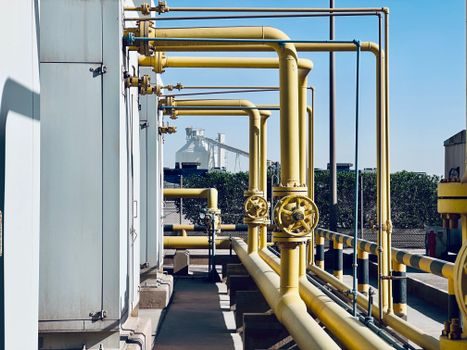
Three production archetypes now compete for the same smart-manufacturing budget, and the right choice depends on whether the bottleneck is throughput, traceability, or variability. [S1]
Batch fuel processing (Polaris Chordata Batch model) is built for plants running a moderate SKU mix with high recipe variability — gas treatment, fuel blending, or compressor-package skid assembly. Strengths: fastest batch record close-out, recipe version control, and tight coupling to gas analyzer data. Weakness: heavy upfront configuration cost and a hard requirement for instrument-level data exposure.
Gas-meter OEM/ODM production is a high-volume, low-mix metalwork and assembly problem. The SGS Manufacturing catalog illustrates the SKU spread — meter connections, swivels, connection nuts, swivel washers, blind discs, and dust caps sit alongside the meter body itself, plus the DCP® soil-compaction tool [S5]. Strengths: cheap per-unit cost, mature CNC and stamping lines, and broad certification coverage on the factory side [S1]. Weakness: the smart layer is typically bolted on (a comms module retrofitted to a conventional diaphragm meter) rather than designed in.
Engine and pump remanufacturing is the long-cycle, high-variability archetype. Production Engine & Pump's catalog spans Waukesha, Ford, FMC, Ajax, and Arrow engine models plus FMC and Gemini pumps, with separate service lines for remanufacturing, repair, and new build [S3]. Strengths: MES pays back fastest here because every engine is a unique job. Weakness: capital cost is high and the workforce skill profile is mixed (machinist + software).
Decision rule of thumb: if your bottleneck is recipe changeover and you already have smart camera inspection in place, start with an MES. If your bottleneck is unit cost on a stable SKU, start with a smart-meter IIoT retrofit. If your bottleneck is variability on heavy-asset tear-down, start with a remanufacturing MES and route every part through a single digital traveler.
Who This Is For — and Who It Is Not For
This stack fits mid-to-large gas utilities, OEM meter suppliers shipping into regulated markets, and any operator running a fleet of Waukesha-class or Ajax-class gas engines in the 200-2000 kW range. It also fits the contract remanufacturer serving oilfield, irrigation, and gas-compression customers [S3].
It does not fit a small job shop running 50 meters a month on a manual assembly bench — the IIoT and MES overhead exceeds the labour saving. It also does not fit a fabricator who only does raw brass or aluminium component work; the smart layer has nothing to bind to until the meter body, regulator, or gas chromatograph sample line is in scope.
Standards, Certification and Sourcing Map
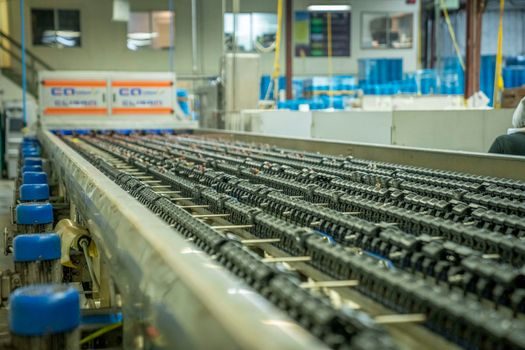
Factory-level certification is the most consistent signal: ISO 9001:2008 plus ISO 14001:2004 shows up across the Chinese gas-meter OEM base [S1], and most tier-1 European and North American utilities will demand ISO 9001 in a current revision on top of OIML or ANSI B109 compliance for the meter itself. The 2025 sustainability push in APAC manufacturing is the macro tailwind — the IAA Industrial Automation report notes the APAC manufacturing sector is projected to grow despite US trade-policy headwinds, with AI and sustainability framed as the dominant digital levers [S4].
For sourcing, the practical map is: Chinese OEM/ODM meter factories for volume and cost [S1]; specialised component suppliers such as SGS Manufacturing for meter connection hardware and DCP® soil-compaction tooling [S5]; automation vendors such as Polaris Automation for batch MES and SCADA integration [S2]; and dedicated gas-engine remanufacturers for the rotating-equipment side of the fleet [S3]. On the additive-manufacturing side, additive manufacturing material selection is starting to bleed into gas-meter and valve prototyping, though the volumes remain low compared with conventional metalwork.
Failure Modes and Engineering Limits
The dominant failure mode in this sector is protocol mismatch — a meter shipping with a HART-only comms board landing on a PROFIBUS PA segment, or a smart valve positioner specified digital-only when the existing DCS only supports 4-20 mA. The second is data-staleness: an MES that batches records at 60-second resolution cannot usefully time-correlate with sub-second gas analyzer or chromatograph events, and the diagnostic value collapses. The third is certification drift: an ISO 9001:2008 factory that has not transitioned to the current ISO 9001 revision will be disqualified by most utility procurement teams, even if the meter hardware itself is sound [S1].
Capex payback is the final constraint. The Polaris Automation pitch assumes a plant that already has DCS-grade instrumentation; if the underlying layer is missing, the MES turns into a screen on top of paper rounds, and the ROI case fails [S2]. The same logic applies to engine remanufacturing: the digital traveler only earns its keep if the tear-down bay and the test cell both feed the same database [S3].
Real Use Cases and Field Signals
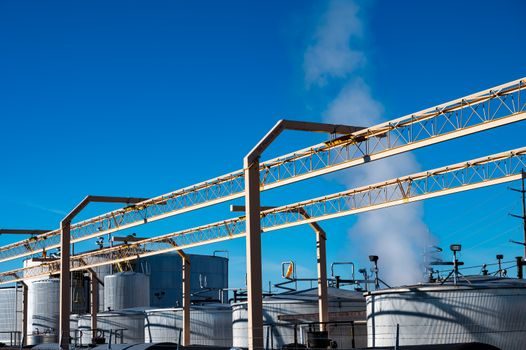
A 200-2000 kW gas-engine operator running a Waukesha or Ajax fleet on compressor duty is the textbook fit: high engine count, mixed duty cycles, and a hard requirement for emissions and uptime reporting. Production Engine & Pump's remanufacturing, repair, and exchange program structure [S3] is the operating model; a smart-manufacturing layer above it adds predictive teardown scheduling.
A gas utility with 100,000+ diaphragm or ultrasonic meters in the field is the second fit: an OEM/ODM contract at the meter factory [S1] plus a SGS-style component supply chain [S5] gives the IIoT retrofit programme a stable hardware source. The third fit is a midstream gas-treat plant running fuel-gas blending, scrubber control, and continuous gas analyzer monitoring; Chordata Batch-style MES is purpose-built for that workload [S2].
Cross-industry smart-factory work, such as the connector and cable smart-manufacturing reference designs documented in Connector Smart Manufacturing 2026: PROFINET, Edge IIoT and Renishaw Data Stack and Cable & Wire Smart Manufacturing 2026: Stranding, Robotic Assembly and Inline Coding Specs, shows the same MES + IIoT + inline-vision pattern migrating into the natural gas supply chain.
For spec-driven buyers, the smart-manufacturing discussion belongs inside the same sourcing conversation as the Motion Controller vs Industrial PC: 2026 Spec Cut for Automation Engineers cut, because the controller choice is what determines whether the MES integration is clean or a multi-vendor patch job. Trackable signals to watch: ISO 9001:2008 factory transitions to the current ISO 9001 revision across the Made-in-China gas-meter category [S1]; Polaris Chordata Batch reference plants going live in fuel-gas and compressor skids [S2]; and engine remanufacturing throughput at the Waukesha, Ajax, and FMC service lines [S3] — these three data points together indicate whether the smart-manufacturing layer in the natural gas supply chain is genuinely scaling or stuck in pilot.