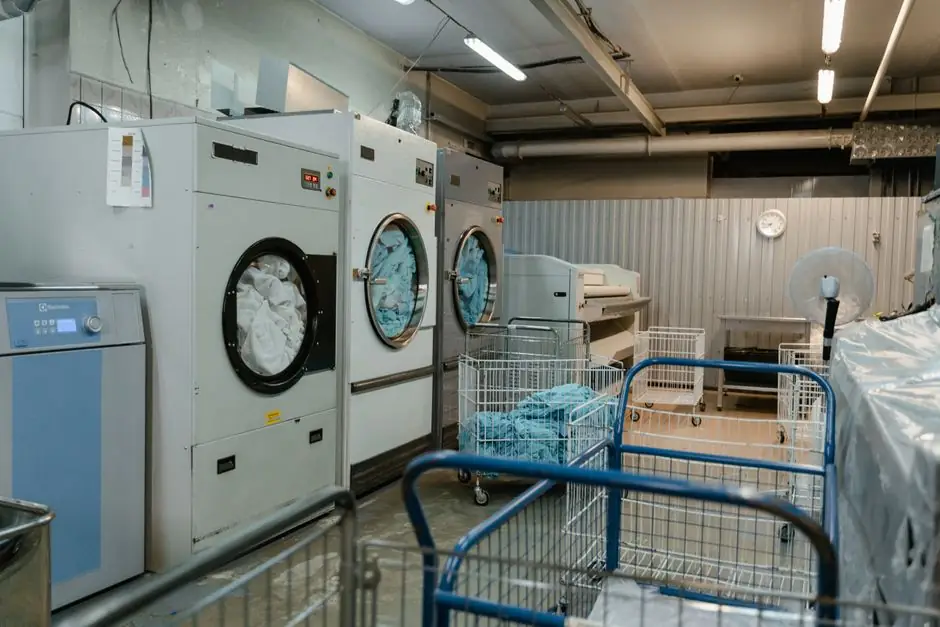
North American industrial parts washer suppliers as of September 2026 cluster into aqueous-only builders, aqueous-plus-solvent houses, and service-driven cleaning programs, with cabinet, conveyor, immersion, and ultrasonic form factors available across all three groups [S1][S3][S4].
Catalog depth now spans small benchtop ultrasonic consoles, rotary-basket and turntable batch units, in-line conveyor washers, and custom turnkey systems engineered to cleanliness specifications set by the buyer [S4][S5][S7].
Aqueous-Only Builders and What They Standardize On
Better Engineering, founded in 1960 and based in Joppa, Maryland, builds 100% aqueous systems and reports 25,000+ machines sold, with products designed to meet FDA, FSMA, cGMP, and ISO 9001:2015 standards [S4]. The catalog includes Genesis, Purifier, and Ultima turntable series, conveyor washers, rotary basket units, drum washers, and ultra-high-pressure pumps up to industrial cleaning pressures [S4]. Niagara Systems, founded in 1934 and a South Shore Controls company, makes cabinet, tunnel, carousel, and custom washers in the USA and lists castings, bottles, totes, and cylinders among its typical loads [S3].
Aqueous-only houses standardize on stainless-steel wetted construction, recirculating spray and immersion stages, and biodegradable detergent chemistry, which removes the solvent-handling and emissions compliance burden that buyers in food, pharmaceutical, and medical device plants must otherwise manage [S4]. The trade-off is wash-cycle time: aqueous cabinets and turntables typically run 4-15 minutes per batch depending on part mass and soil load, while equivalent solvent vapor degreasing cycles finish in 1-6 minutes for light oils [S3][S4].
Solvent, Ultrasonic, and Hybrid Cleaning Vendors
Best Technology supplies ultrasonic cleaning systems, vapor degreasing equipment, passivation systems, and agitated-immersion heated parts washers, with catalog entries covering benchtop units through automated wash-rinse-dry consoles [S5]. Graymills markets aqueous, solvent, and ultrasonic systems aimed at production, maintenance, and MRO use cases [S6]. Alliance Manufacturing extends across both chemistries, offering Aqueous Parts Washers, ILSA Vacuum Degreasing, the Aquamaster HE Series, rotary indexing units, and PCB cleaning systems such as Nu/Clean and Nu/Clean AquaBatch [S1].
Solvent-side selection pivots on the 3M Novec / PFAS phase-out decision: Best Technology now markets 3M Novec replacement fluids and engineered PFAS-phase-out chemistries alongside its vapor degreaser line, a fact that matters to buyers with installed Novec or HFE inventories [S5]. Ransohoff (a division within the same cleaning-equipment cluster) covers aqueous cabinet and conveyor systems, including custom-engineered washers for medical and industrial manufacturing [S7]. ALMCO lists industrial parts washers and dryers aimed at repeatable production cleaning and drying in surface-finishing environments [S9].
Service-Based Programs vs. Equipment-Only Supply
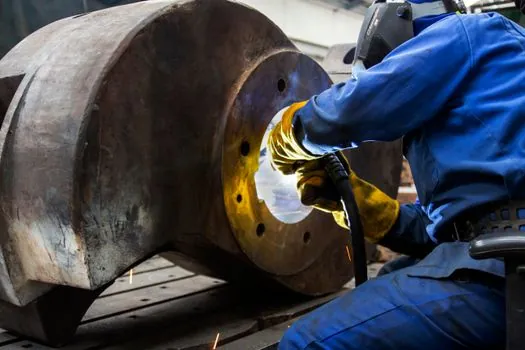
Crystal Clean runs an aqueous and solvent parts washer program that bundles equipment, chemistry, and service into a single contract, targeting automotive and industrial facilities that prefer outsourced washer operations to capex ownership [S8]. Fountain Industries supplies both aqueous and solvent-based washers, with stated coverage of automotive, aerospace, and heavy machinery end markets [S2].
The program-versus-equipment decision is fundamentally a balance-sheet call: service programs convert a capital line into an operating expense, fold chemistry replenishment and waste-hauling into the unit price, and shift compliance exposure for solvent handling onto the supplier, while equipment-only purchase keeps per-part cleaning cost lower at sustained high utilization and gives the buyer direct control over chemistry, cycle parameters, and validation evidence [S4][S8]. Plants running more than one shift on a single washer type almost always see lower per-part cost under ownership; multi-site operations with low individual-site utilization are the textbook fit for service programs.
Selection Criteria: Geometry, Cleanliness, Throughput, Chemistry
Buyers should match form factor to part geometry first: cabinet washers suit low-volume batch parts and labware, tunnel and carousel conveyors fit medium-to-high volume production, and turntable plus rotary basket units cover heavy castings and rebuild-shop work [S3][S4]. Cleanliness spec is the second gate: vapor degreasing and ultrasonic consoles hit the tightest residue targets for medical, semiconductor, and aerospace parts, while aqueous spray and immersion stages handle the bulk of automotive, heavy equipment, and general manufacturing soils [S3][S4][S5].
Throughput sets the conveyor-vs-batch call: conveyor belt, chain, monorail, drum, indexing, and dip configurations all run continuously and integrate into a production line, while cabinet, turntable, and rotary basket units are inherently batch [S1][S3]. Chemistry compatibility is the final filter: aqueous systems accept a wide range of alkaline and neutral detergents but require wastewater treatment; solvent systems clean faster but trigger VOC, RCRA, and air-permit controls that vary by jurisdiction [S4][S5].
Failure Modes and Constraints Buyers Hit in Practice
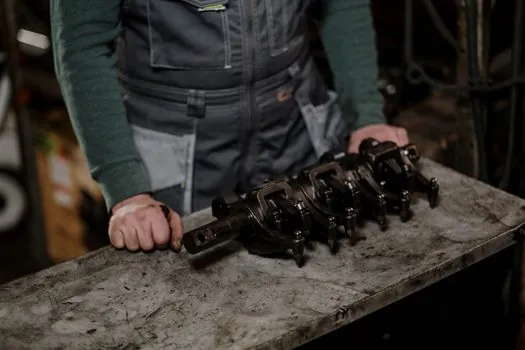
Three failure modes dominate field reports: (1) under-sized oil removal on aqueous systems, which forces frequent bath changes when chip-laden oil overwhelms skimmers and coalescers; (2) ultrasonic transducer fatigue in high-utilization consoles, which drops cavitation energy and lengthens cycle times; (3) solvent compatibility drift when a plant switches alloy grades and the new metal flashes with the existing chemistry [S1][S5][S6]. Buyers specifying equipment should request a free sample-part test from the supplier's test lab, a service Better Engineering explicitly offers for aqueous systems and Niagara Systems offers through its custom engineering workflow [S3][S4].
For shop-floor readers weighing tank-cleaning work against production parts washing, the spec map for tank cleaning for demolition covers demolition-side chemistry and containment in more depth, while linear module spec maps are the right reference when washer indexing tables need servo-driven positioning. Plants that also fabricate sheet-metal components will find the gauge and attachment logic in metal curtain wall panel selection useful when sourcing stainless enclosures for washer cabinets.
Standards, Documentation, and Validation Trail
Validation paperwork separates a capital-grade supplier from a general fabricator: ISO 9001:2015 quality system registration is the baseline, FDA and FSMA alignment matters for food-contact parts, cGMP is the requirement for pharmaceutical and medical device cleaning, and ATEX or IECEx-rated washers are required for any unit installed in a Zone 1 or Zone 2 hazardous area where flammable solvents are present [S4].
Buyer-side documentation should include a written cleanliness specification with mg/cm² or µg/cm² residue limits, a validated cycle recipe with time, temperature, and detergent concentration, and a change-control protocol for any chemistry or temperature deviation, a documentation set that aqueous-only builders like Better Engineering structure around their in-house test lab and that solvent houses like Best Technology match with passivation and electropolishing data packages [S4][S5]. The next decision points worth tracking are (a) the cadence of PFAS-replacement chemistry rollouts from vapor-degreaser suppliers as the 3M Novec phase-out matures, and (b) the spread of robotic cleaning integration and Aqua Insights-style data acquisition into standard product lines, both Better Engineering and Niagara Systems already advertise [S3][S4].
The underlying component specifications are covered under sealing washer, spring washer, and construction machinery and equipment.