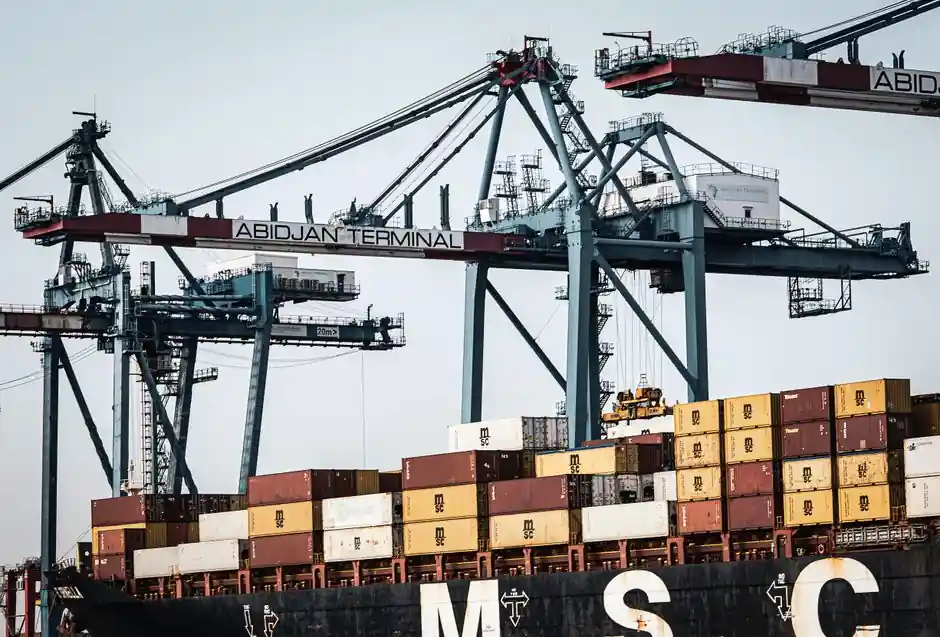
Quayside, ship-to-shore (STS) gantry, and RTG service work demands aerial work platforms built for salt-laden air, high wind exposure, and intermittent heavy loads, with 14 m to 28 m working heights covering the bulk of terminal maintenance tasks [S1].
Specialist regional AWP suppliers such as Manlift Group operate rental fleets of 20,000 units across 60 depots in 14 countries (UAE, Qatar, India), and they explicitly position their inventory for port-side energy, logistics, and industrial maintenance crews [S1]. Chinese OEMs including Jining Baoliwei and Mantall (Nantong) supply matching platform families to the global export channel, with Baoliwei's "GK" series covering 6 m to 14 m scissor lifts and 5-tonne to 25-tonne truck-mounted crane platforms commonly bundled into the same procurement package [S3][S5].
Selection Criteria: Salt-Spray Rating, Wind Rating, Deck Load
Three gating parameters separate a viable port AWP from a standard construction unit: chassis and fastener material specification (hot-dip galvanised or marine-grade stainless alternatives), permissible wind speed at full platform height (commonly 12.5 m/s operating, 17.5 m/s out-of-service for elevated booms), and the rated axle load imposed on container yard pavers and wharf decking [S1][S3].
For corrosion, terminal buyers should require ISO 9227 neutral salt-spray test documentation covering the cylinder rods, electrical enclosures, and any exposed hydraulic fittings, since chloride deposition at coastal terminals routinely exceeds 60 mg/m² per day within 500 m of the waterline. Deck loading is governed by the wharf or RTG lane design, and most legacy terminals cap permissible point loads at 80 kN per m², which excludes heavier diesel-driven boom trucks above 18 t GVM unless a temporary matting system is laid. For a structured walkthrough of comparable ground-bearing constraints, see the port-duty AWP selection guide for road construction and heavy plant work.
Platform Type Comparison: Scissor, Articulated, Telescopic, Spider, Truck-Mounted
For quayside work below 14 m on flat hardstand, electric slab scissor lifts remain the default: zero on-site emissions, no hydraulic leak paths over containerised cargo, and non-marking tyres that suit bonded warehouse floors and reefer stacks [S1]. Above 14 m, and especially where outreach over STS crane booms or reefer racks is needed, articulated boom lifts with 8 m to 12 m horizontal reach and jib articulation outperform rigid telescopics, since operators can fly the basket up and over a gantry rail rather than reposition the chassis. Crawler-mounted spider lifts (typically 12 m to 28 m working height, under 4 t GVM) are the only practical option where the work point is reached across soft ground, rail tracks, or uneven stone revetments. Truck-mounted platforms, such as Baoliwei's 5-tonne to 16-tonne crane truck range, deliver fast inter-terminal redeployment but impose higher axle loads and longer setup times [S3].
Who AWP Rental Fits, and Where It Fails
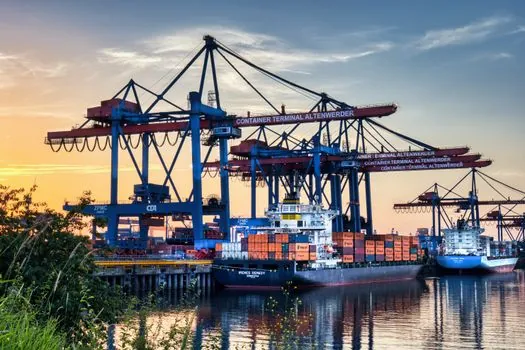
For terminals running 20+ planned elevated interventions per month across multiple berths, rental from a regional AWP specialist (Manlift alone runs 20,000-unit international rental fleets with 14-country coverage and depots in every major port hub) outperforms purchase, because port duty cycles are bursty and seasonal [S1]. For a single berth with predictable weekly use above 200 hours, outright purchase of an electric scissor lift typically breaks even inside 18 to 24 months, and a Chinese-supplied scissor or small boom unit at landed CIF cost can undercut European equivalent list price by a wide margin, though lead times on spare hydraulic seals and OEM service response vary [S3].
Rental falls short where the platform is needed for emergency response inside a 30-minute window: even the largest regional depots cannot guarantee a 24 m boom lift on drive-on without prior reservation, and most port operators therefore keep one in-house emergency unit (typically a 16 m articulated boom) regardless of their rental strategy. Operator certification is the other gating constraint: IPAF operator cards (category 3b for scissor, 3a for boom) are the de facto standard in UAE, Qatar, and most European terminals, and a number of operators (Manlift included) run in-house IPAF and PASMA training, plus harness and lanyard, MEWPs for Managers, and VR modules that compress familiarisation time on unfamiliar chassis [S2].
Real Use Cases Across Port and Terminal Operations
For STS crane boom and spreader servicing, the dominant pick is a 26 m telescopic or articulated boom with 2-person, 230 kg basket rating, deployed inside the crane's own rail envelope with the STS locked out and tagged; the boom's jib articulation is what allows technicians to reach the back side of the boom tip without repositioning the chassis against active rail traffic. For reefer stack maintenance and container wash-down, electric slab scissors with non-marking tyres dominate: Manlift markets its zero-hydraulic-component electric scissor range specifically for data-centre and similar contamination-controlled environments, and the same zero-leak posture is what terminal cold-chain operators specify to keep refrigerant and hydraulic fluid off palletised cargo [S1].
For navigation aid and high-mast lighting servicing, the standard solution is a truck-mounted 14 m to 20 m platform with outriggers spanning 4.5 m or wider, so the unit can straddle kerbs and embedded cable trenches; Baoliwei's 5T to 16T truck-crane SKUs share the same chassis and outrigger pad footprint and are commonly exported with twin-purpose certification as both crane truck and aerial work platform [S3]. For ship-hull work above the waterline and bow-thruster grille cleaning from the quay face, spider lifts are the only practical option because the basket can be flown over mooring bollards and fender lines without the chassis needing to climb the ladder structure. A broader mining-duty AWP comparison covers many of the same chassis-protection issues in even harsher abrasion and dust environments.
Limitations, Failure Modes, and Standards Discipline
Wind is the most common single cause of port AWP stop-out: a 14 m boom in 12 m/s crosswind can induce enough lateral basket swing to push the platform outside its stability envelope, and most boom units carry a wind-speed derating chart that the operator must apply. Salt-induced electrical failure is the second: even with IP-rated enclosures, harness chafes and connector corrosion on quayside-deployed booms are the leading cause of unplanned downtime, which is why rental fleets running in the Gulf specify daily fresh-water rinse as a contractual item [S1].
Floor loading is a frequently overlooked constraint, since container yard pavers and older wharf decks are typically rated for 50 kN/m² to 80 kN/m² UDL, and a fully loaded 18 m boom truck on outrigger pads can deliver 200 kN/m² under each pad, so a load-spread mat or a structural review is mandatory before positioning over the quay edge. Operator compliance is the third: IPAF operator cards plus MEWPs for Managers training are the accepted minimum, and a number of ports now also require harness and lanyard refreshers at intervals shorter than the IPAF five-year card cycle because of the elevated fall-consequence at quayside. For a deeper look at the structural material gates that pair with these platform decisions, see the steel plate grades and selection gates for industrial facilities reference, which covers the load-bearing deck and outrigger pad plate specification side of the same problem.
Sourcing Channels and Lead-Time Signals
Two sourcing channels dominate port AWP procurement: regional rental specialists with port-adept fleets (Manlift Group's UAE, Qatar, and India depot network is the largest of its kind in the region, with 20,000-unit fleet capacity and an audited average response window that supports emergency call-out inside 4 hours in major hubs) [S1]; and direct OEM import from Chinese manufacturing clusters in Shandong and Jiangsu, where Jining Baoliwei operates from the South of Provincial Road 338 economic zone and Mantall's first-phase plant covers 46,600 m² of land with 35,000 m² of building area, both running FOB, CFR, CIF, DDP, and DAP Incoterms with LC and T/T payment support and an audited average response time under 1.02 hours [S3][S5].
For mid-2026 procurement planning, three signals are worth tracking: Chinese OEM peak-season and off-season lead time on the GK and scissor series is published at within 15 workdays, which compresses the procurement window compared with European OEM lead times; rental specialists are adding electric, zero-hydraulic scissor SKUs to inventory as terminal operators tighten spill-prevention rules around reefer stacks; and the IPAF training catalogue continues to add VR and load/unload modules, which materially shortens new-operator familiarisation on unfamiliar chassis [S1][S2][S3]. For a closer look at the type of AWP selection logic that applies across other heavy-industry sectors, the mining-duty AWP reference and the AWP selection for road construction guide cover related ground-bearing, dust, and reach envelopes.
The underlying component specifications are covered under aerial work platform, aerial work truck, and terminal block.