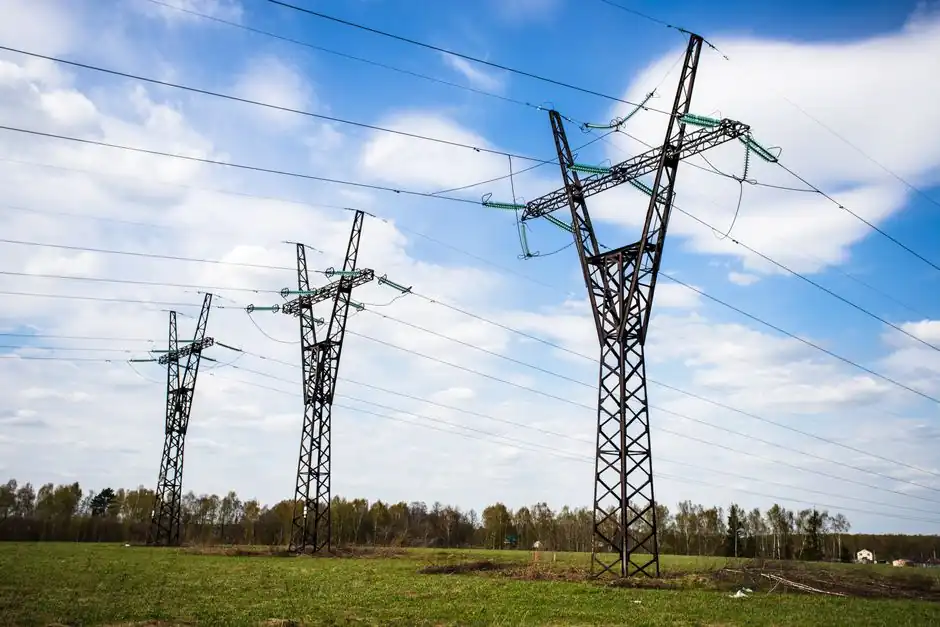
Bulk power-grid equipment cost is driven by four cost stacks: conductor and core metals (copper, aluminum, grain-oriented electrical steel), power transformer and power cable manufacturing labor, type-test certification to IEC/IEEE standards, and, for transmission builds, HVDC converter station complexity [S1][S3].
Power grid engineering spans substations, transmission lines, control systems, and protective equipment, and custom metal fabrication supports nearly every part of that scope, from transmission and distribution supports to electrical enclosures, substation structural frames, bus bars, panels, and brackets [S3]. Each fabricated component must hold tight tolerances so a transmission tower bracket or substation enclosure does not cause downtime or safety hazards downstream [S3].
Material cost stack: copper, aluminum, and electrical steel
Transformer and cable bill-of-materials cost is anchored by copper conductor content, aluminum conductor content (used in distribution and overhead lines), and grain-oriented electrical steel (GOES) for transformer cores, with GOES being the single material most exposed to supply tightness for power-transformer builds [S3]. Custom fabrication also drives steel and aluminum tonnage for substation structures, with the right coatings and finishes required to resist corrosion under heat, cold, humidity, and storm exposure [S3].
Material selection is not a commodity decision: custom fabrication lets engineers specify materials, dimensions, and finishes that meet each project's demands, including compatibility with existing systems during upgrades or retrofits, which is why off-the-shelf parts rarely suffice for substation work [S3]. For a sense of where the metals sit in the wider supply picture, the ferrosilicon supply chain 2026 analysis covers how power, policy, and logistics risks reshape electrical-steel-adjacent sourcing, and the vanadium supply tightens through 2026 piece tracks vanadium demand from VFB flow batteries and rebar standards that compete for the same steel-mill output.
Certification and standards cost: IEEE 2030, IEC type tests, and interconnection
Type-test and commissioning cost is the second major cost stack, and it is paid every time a transformer, switchgear panel, or DER controller ships [S1]. The IEEE 2030 series, including IEEE 2030.7-2017 for microgrid controllers, IEEE 2030.8-2018 for testing of microgrid controllers, IEEE 2030.11-2021 for DERMS functional specification, and IEEE 2030.4-2023 for control and automation installations, sets the interoperability framework that DER equipment must demonstrate before a utility will accept it [S1].
At the distribution level, interconnection specifications add their own compliance bill: National Grid, for example, requires 4-inch diameter conduit with at least 4 feet of stub-up on the utility pole or pad, mandates IEEE Std 1815 (DNP3) support in the facility Power Plant Controller, and demands customer-run fiber between the DER gateway cabinet and the facility PCS, with the IC supplying test reports for every fiber run [S6]. These line items (conduit, cabinets, fiber, test reports) are recurring across U.S. utility service territories and are routinely underestimated by first-time DER developers [S6].
Equipment manufacturing cost: transformers, switchgear, and HVDC
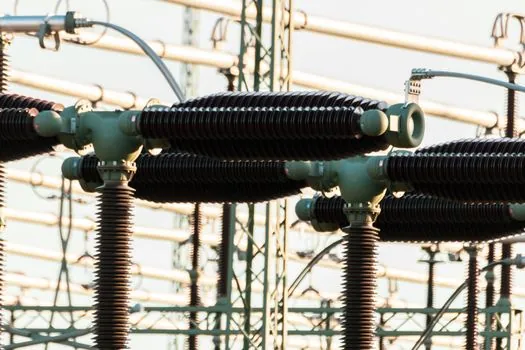
Transformer and switchgear cost is set by kVA or MVA rating, voltage class, impedance, short-circuit withstand, and the type-test program the OEM runs in-house, with higher voltage classes requiring larger test labs, longer lead times, and more copper per unit [S3]. Distribution transformers at 15 kV class are largely commodity, but substation transformers at 138 kV, 230 kV, and above are build-to-order with lead times that have stretched as utilities queue replacement units for aging fleets [S3].
A structured spec map for this equipment category is laid out in the power grid manufacturing equipment spec map for HVDC, transformers, and switchgear, which covers the gate criteria procurement engineers apply to RFQs. HVDC converter stations sit at the top of the cost curve: a single VSC-HVDC bipole uses hundreds of IGBT modules, DC bushings, smoothing reactors, and control electronics, and the converter valve hall alone can exceed the cost of an entire AC substation of equivalent transfer capacity.
Comparison of cost drivers by equipment category
Procurement teams weighing transformer vs. switchgear vs. HVDC converter station builds should score the four cost stacks directly:
Distribution-class transformer (15-34.5 kV, 500-2500 kVA): material cost dominates at roughly 60-70% of factory price, driven by copper, GOES, and tank steel; certification is largely standardized; labor is assembly-line; lead time is typically 8-16 weeks.
Substation power transformer (69-345 kV, 10-500 MVA): material cost drops to roughly 45-55% of price as engineered labor rises, with type-testing, custom bushing selection, and special impedance requirements pushing the certification and engineering lines up; lead time commonly runs 12-24 months for units above 100 MVA [S3].
Metal-enclosed switchgear (5-38 kV): material cost is moderate but the labor content is high relative to material, because every panel is wired, relays are set, and factory acceptance testing is panel-by-panel; certification cost scales with arc-fault, short-time withstand, and internal arc classification.
HVDC converter station (320-800 kV DC, several hundred MW to several GW): material cost is a smaller share of the multi-hundred-million-dollar total than engineering, system integration, and on-site commissioning; civil works and valve hall construction routinely equal or exceed the converter equipment cost itself.
Custom metal fabrication cost: tolerances, finishes, and scalability

Custom fabrication cost is set by cutting, welding, and machining time, with tolerance and finish tier adding premium steps. Electrical enclosures for substation controls need weatherproof finishes, while structural frames for substations holding transformers, switches, and breakers need heavy-gauge welding verified to structural codes [S3]. Bus bars, panels, and brackets add a second labor block: each bus bar is bent, plated, and drilled to a one-off drill pattern, which is why utilities rarely outsource to general job shops without grid-sector experience.
Scalability is the swing factor on multi-unit builds. A custom fabricator producing one-off prototypes carries setup and programming cost per part; once a project reaches volume, the same CNC programs, weld fixtures, and powder-coat racking are amortized across the run, which is why utilities package multi-year substation buildouts into single fabrication contracts rather than ordering site by site [S3].
DER aggregation, smart-grid electronics, and the IEEE 2030 stack
Smart-grid electronics, the IEEE 2030 series stack, and DER aggregation software are a rising share of total project cost as renewables penetration grows [S1]. Aggregation software allows a utility to see an extensive collection of DERs as a single resource, as in a virtual power plant, and the December 2023 Great Transformation Forum panel of power industry experts cited the need for interoperability standards to enable DER deployments, with the ability to quickly and economically connect many DERs together rated as essential [S1].
Most DERs, regardless of type, require specific components for the system to function reliably 24/7, with the most important being an automated communication and control system that allows the grid to transmit start/stop commands to individual DERs, plus synchronization hardware, transfer switches, and circuit breakers to keep DERs isolated from the grid when not in service [S1]. These line items are individually modest but stack up: a utility-scale DER interconnection routinely includes a PPC, a DER gateway cabinet, a fiber run, a protective relay scheme, and a revenue meter, with each item carrying its own UL or IEEE compliance paperwork [S6].
Total cost of ownership: installation, losses, and maintenance
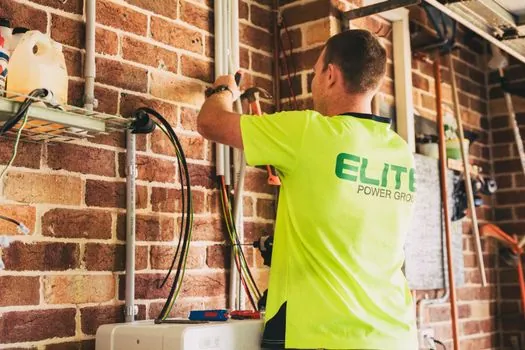
Purchase price is roughly half the lifetime cost of a substation transformer, with the rest split between installation and commissioning, no-load and load losses over a 30-40 year service life, and scheduled maintenance [S3]. Higher-efficiency GOES and oversized cooling push factory price up by a single-digit percentage but cut loss dollars over the asset life, which is why utilities with regulated rate-base recovery routinely spec higher-loss-evaluation factors into transformer RFQs.
Custom-fabricated enclosures and supports contribute to lifetime cost through their corrosion-resistance package: a hot-dip galvanized substation frame in a coastal environment can outlast a painted frame by 15-20 years, which is the kind of trade-off fabricators and utilities negotiate part-by-part rather than at the line-item level [S3]. Maintenance cost is harder to standardize but follows the same pattern: standardized switchgear panels from major OEMs carry predictable spare-parts pricing, while one-off custom controls drive spares inventory up.
For spec-driven equipment selection criteria that govern many of the cost drivers above, see the power meter and power mixer encyclopedia entries for the measurement-side context, and track DER interconnection queue data and GOES supply contracts as the next two verifiable signals that will move grid-manufacturing cost through the rest of 2026.