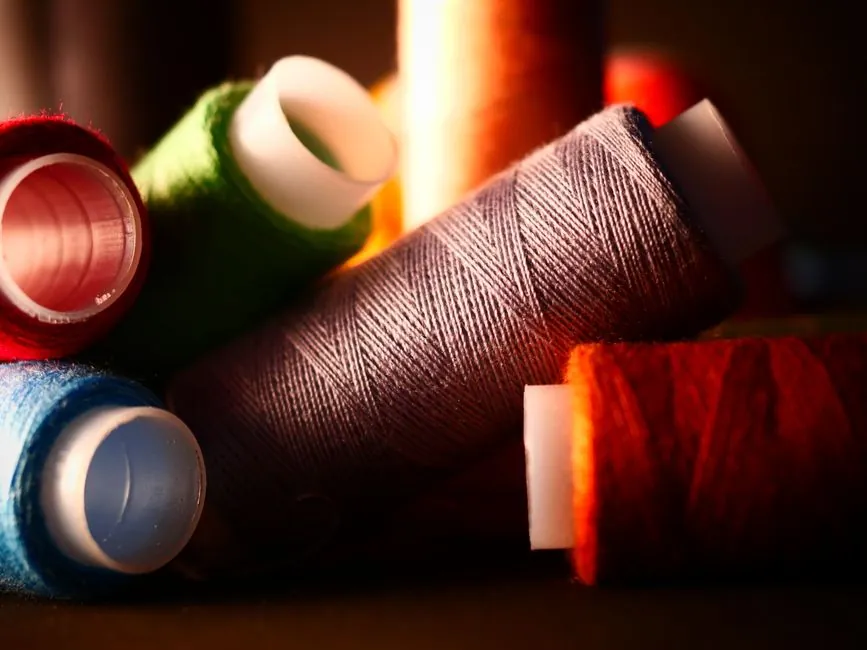
Textile-mill variable speed drive selection in 2026 hinges on four numbers engineers should pin down before shortlisting: speed control range of 1:10 to 1:100 for induction-motor drives, 150% overload for 60 s, IP54 minimum panel rating, and a constant-torque profile for looms and winding frames [S1][S4].
Spinning, weaving, dyeing and finishing each stress a VFD differently: spinning frames demand stable low-speed torque to prevent yarn breaks, high-speed spinning needs 1:50 or wider ranges, and dyeing/finishing lines require vector control with braking, so a single SKU rarely covers a full mill [S1][S2][S4].
Speed Control Range: Why 1:10 Is Not Always Enough
Low-range speed control (below 1:10) is used for slow ramp-up of large rotors and tension-sensitive winders, allowing very slow and stable operation of the machinery [S1].
Medium-range speed control, typically 1:10 to 1:50, is suitable for general textile processes, providing a balance between speed and precision and is commonly used in weaving and knitting [S1]. Induction motors under VFD control can reach 1:100 in advanced setups, meaning a 1500 RPM motor can drop to 15 RPM without losing torque stability [S1]. A drive-motor pairing that holds slip below 1% at low speed is the practical gate for yarn-tension consistency [S3].
Load Profile: Constant Torque vs Variable Torque
Textile processes split into two VFD load classes: constant torque (looms, winders, conveyors, mixers) and variable torque (fans, pumps, some dryers), per the 2026 selection taxonomy from textile-drive suppliers [S4].
Constant-torque machines need the drive to deliver rated current down to ~3 Hz without derating, while variable-torque loads follow the cube law: reducing a motor's speed by 20% cuts energy consumption by about 49% [S4]. For a 24/7 mill, that 49% energy delta on HVAC and circulation pumps usually pays back the variable speed drive investment in 18 to 36 months [S4]. High-voltage drives on pumps and fans commonly save 20% to 50% energy when properly sized [S4].
Power Range, Overload and Voltage Class
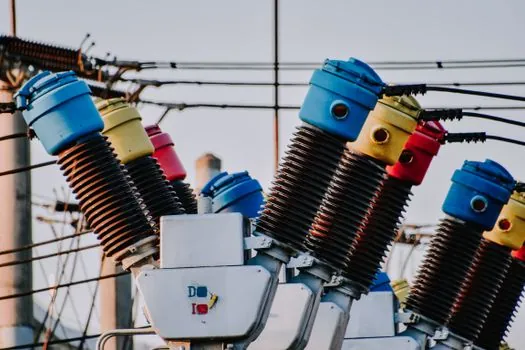
Textile VFDs in 2026 catalogs span 0.5 to 150 HP at 208 to 230/240 VAC and 0.75 to 500 HP at 480 VAC, with 150% overload for 60 s as the baseline rating, according to manufacturer specification tables [S4].
JIS-frame variable-speed motors for textile machinery, such as the YD2-90S-4/2 dual-speed 0.85/1.1 kW unit, ship in 10 to 30 days with CE, ISO9001, CCC, RoHS and Reach certifications [S8]. For high-density spinning lines, helical gearmotors with corrosion-resistant coatings (NCJ series) are rated for continuous duty in high-temperature, humid, and acid-base solvent environments, and deliver up to 92% mechanical efficiency [S5]. Specifying the voltage class correctly (230 V single/three-phase versus 480 V three-phase) avoids the most common retrofit mistake: under-rated DC bus capacitors.
Control Modes: V/f, Sensorless Vector and Closed-Loop Vector
Vector control is specified whenever tightly synchronized weaving, dyeing-range traverse, or finishing-line tension control is required, because V/f alone cannot hold torque at low speed [S1][S2].
General spinning and winding lines run reliably on V/f or sensorless vector control with consistent torque output; tightly synchronized weaving or finishing lines need a closed-loop vector drive [S2]. Energy recovery is now a standard selection point: regenerative drives feed deceleration energy back to the bus, a win for 24/7 plants where braking resistors would otherwise dump that energy as heat [S6]. Soft-start and soft-stop ramps reduce belt and bearing stress, lowering both maintenance cost and unplanned downtime [S6]. For machines that need exact speed control plus strong functional safety, look for drives with STO (Safe Torque Off) input and PROFINET or EtherCAT comms, even if the catalog page does not lead with those words [S4].
Environment, Enclosure and Mill Floor Conditions
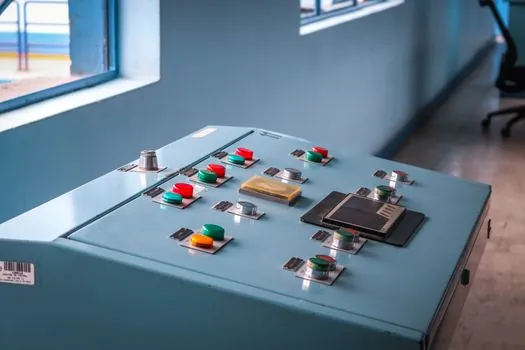
Textile mills expose drives to high humidity, lint, acid-base solvent vapours from dyeing, and ambient temperatures above 40 °C, so IP54 panels and corrosion-resistant gearmotor coatings are the practical floor, not the ceiling [S4][S5].
Dust and corrosive agents drive enclosure selection more than any electrical spec, per the 2026 selection factors published by drive manufacturers [S4]. Lint ingress is the underrated failure mode: it clogs cooling fans and insulates heatsinks, so panel-filtered forced ventilation or liquid-cooled cold plates are increasingly common on high-horsepower (≥250 HP) drives sitting near carding and combing lines. Mills that skip the enclosure rating to save cost typically see capacitor failures inside 18 months, well below the 18 to 36 month energy-payback window [S4].
Selection Criteria Compared: Spinning, Weaving, Dyeing, Winding
Process-by-process comparison for 2026: Spinning frames need 1:50+ range, sensorless vector, 150%/60 s overload; weaving needs closed-loop vector with master/slave synchronization; dyeing/finishing needs vector control plus regenerative braking; winding needs 1:20 stable low-speed torque for taper tension [S1][S2][S4].
For a rough sizing rule, a 1.5 to 3.0 kW range covers most individual winder or small spinning positions, while a complete weaving line typically aggregates 75 to 250 HP across the let-off, shed, pick, and take-up stations [S4]. A servo-drive is rarely the right answer for the whole mill; it earns its place on the let-off and take-up stations where tension loop closure matters more than raw speed. For plants running mixed vintage fleets, brand consolidation (one drive family across 230 V and 480 V sections) reduces spare-part inventory and commissioning time.
Integration, Standards and What to Verify on the Datasheet
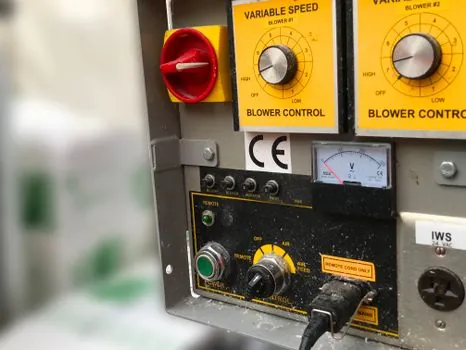
Communication protocols (Modbus TCP, PROFINET, EtherCAT) and braking provisions are the two integration items that decide retrofit cost, and both should be confirmed against the mill's existing PLC before purchase [S4].
Verify on the datasheet: rated power span matching your motor, 150% overload for 60 s, IP54 enclosure, vector control with auto-tune, regenerative braking option, and STO input. A matching reference for harsh-environment mills is the VFD selection map for material handling conveyors, which covers constant-torque sizing logic that overlaps with winding and let-off stations. For higher-power line architecture and grid-side harmonics, the VSD selection map for pulp and paper carries the most directly transferable spec detail for 480 V multi-drive lines. To anchor a slewing drive or heavy traverse axis against the same mill-wide drive standard, confirm the encoder feedback option on the VFD datasheet before assuming the two subsystems will share spares.
Trackable signals for the next quarter: release of regenerative 480 V drives below 50 HP with built-in EMC filters for the Asian mill market, and any IEC 61800-9-1 eco-design efficiency class updates that touch the 0.75 to 500 HP textile band. Engineers replacing motors in 2026 should also recheck pulley ratios before swapping a 4-pole for a 2-pole unit, because synchronous speed change is the most common hidden cause of process-speed drift and rising yarn breaks [S3].