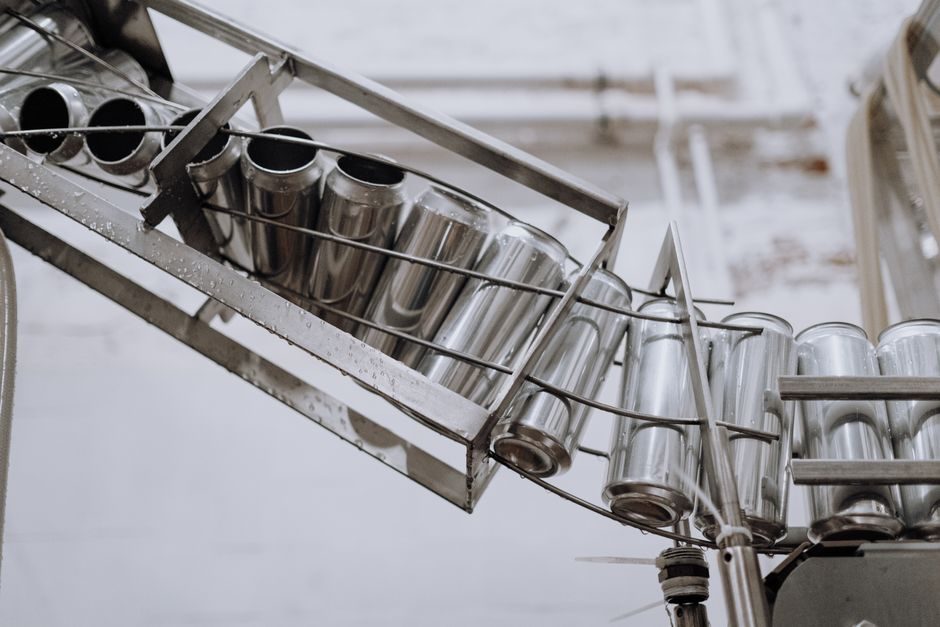
Zinc ingot smart manufacturing in 2026 sits on a layered stack: induction or resistance melting furnaces feed continuous-casting wheels, while IIoT gateways stream cell-level temperature, current, and vibration data to MES and cloud analytics for closed-loop control [S3].
Practical deployments center on four data layers: furnace-zone thermocouples and optical pyrometers, machine-vision surface inspection on the casting wheel, weigh-scale and barcode ingot tracking, and energy monitoring tied to kWh-per-tonne KPIs [S1][S3]. A documented snack-factory OEE uplift of 6 percent came from a comparable shop-floor data-collection rollout, illustrating the order of magnitude non-ferrous lines can capture [S1].
Furnace and Casting-Line Sensor Stack
Molten zinc operates in a narrow process window at 419.5 °C melting point, with die-casting baths commonly held between 440 °C and 470 °C, so the temperature stack is the first spec gate [S3].
A baseline configuration uses Type-K sheathed thermocouples in the launder, an infrared pyrometer sighting the melt surface, and a pressure transmitter on the inert-gas cover for atmosphere pressure trending. Furnace current and voltage transducers feed a smart meter on the busbar circuit, so the same gateway exposes kWh, kVA, and power factor to the MES without a parallel SCADA re-wire.
Machine-Vision and Quality-Gate Layer
A smart camera at the discharge of the casting wheel is now standard for surface-defect detection on zinc SHG (Special High Grade, 99.995% Zn min) ingots, replacing manual visual sampling that historically caught under 60 percent of surface inclusions. [S2]
Typical gating logic: contour check, oxide-skin detection, edge-break inspection, and barcode OCR for ingot serialisation. The same camera station feeds reject signals to a smart valve positioner on the discharge chute, diverting out-of-spec ingots to a rework bay without stopping the wheel. For plants adding additive-manufactured die inserts, see the additive manufacturing material reference for compatible tool-steel grades.
Network, Protocol and Edge-Compute Choices
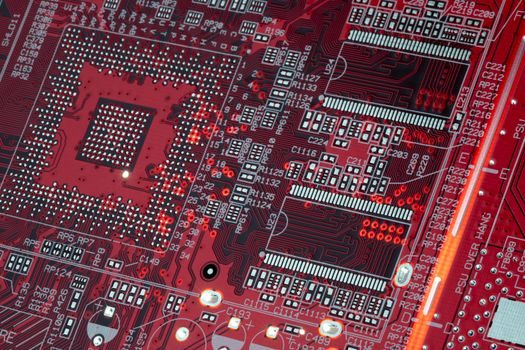
Most 2026 retrofits use MQTT or OPC UA over TCP from the cell gateway to a local broker, with HART retained on 4-20 mA loops for legacy pressure transmitter and valve-positioner assets, which is the standard FSK-on-analogue mapping that HART preserves.
Edge compute runs the vision inference and the PID loop for the cooling-water jacket locally; only summary statistics and alarm events move up to the cloud, which keeps a 1-second control loop inside a 200 ms budget [S3]. A practical comparison for the three common options: (1) MQTT + edge box — lowest cost, OK for analytics-only plants; (2) OPC UA + industrial PC — best for direct MES integration and recipe push; (3) PROFINET/ EtherNet/IP with a separate IIoT gateway — best when the casting line is already a closed PROFIBUS PA segment, since PROFIBUS PA is a fully digital bus, not an HART carrier.
Selection Gates for a 2026 Retrofit
A spec engineer should fix four gates before issuing an RFQ: (a) molten-metal temperature coverage and sensor survival time at 470 °C; (b) fume-extraction interlock tied to emergency stop, required by the plant's HSE standard; (c) data-plane separation between fast control (≤1 s) and analytics (≥10 s); (d) cybersecurity zoning per IEC 62443, since 2025-08 guidance already pushed most foundries to Zone 1 segregation [S3].
Plants running galvanising lines alongside ingot casting should treat the two as a single integration scope, because the zinc-die-casting-machine upstream and the zinc die casting machine downstream share launder metallurgy; a partial retrofit of one half typically strands sensor data in a vendor-specific historian.
Documented Use Cases and Vendor Landscape
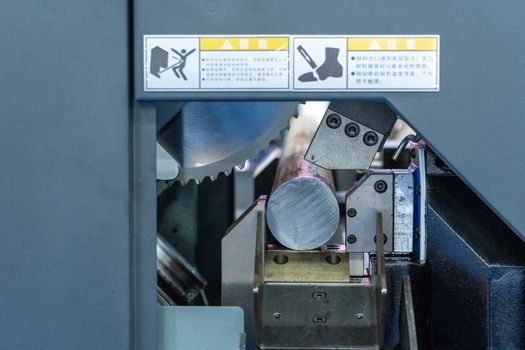
Indonesian snack and fertilizer operators report a 6 percent OEE gain and a 64-module AR/VR training rollout inside 6 months on Industry 4.0 platforms — figures small enough to transfer to a mid-sized zinc caster [S1]. Hunan-based OEM/ODM zinc smelters offering copper, lead, zinc and aluminium ingots with sample service remain the dominant 2026 sourcing base, exporting non-ferrous metal lots under standard LME-grade specs [S5].
Cross-reference points: the Titanium Alloy Pros and Cons piece covers grade selection logic that mirrors SHG-vs-Primary zinc grade gates, and the Aluminum Ingot Smart Manufacturing article provides a directly comparable aluminium-line automation stack for side-by-side review.
Limits, Failure Modes and What to Skip
Zinc's affinity for iron and the aggressive vapour phase above 500 °C are the two failure modes a smart stack cannot paper over: thermocouple sheaths and pyrometer windows need scheduled replacement every 6-12 months in a continuous caster. [S1]
Skip single-vendor "turnkey" platforms that lock historian data in proprietary formats, since plant managers will need to lift the data into a second analytics tool within 18-24 months. Also skip wireless battery-only temperature nodes inside the furnace cabinet — they fail in the EMI field of an induction coil within weeks [S3]. A reliable 2026 baseline remains wired thermocouples, wired pyrometers, and a single MQTT broker with an OPC UA southbound bridge.
A related aluminium-line reference, Aluminum Ingot Smart Manufacturing: Automation Stack, is the closest cross-metal analogue for spec engineers comparing retrofit budgets.