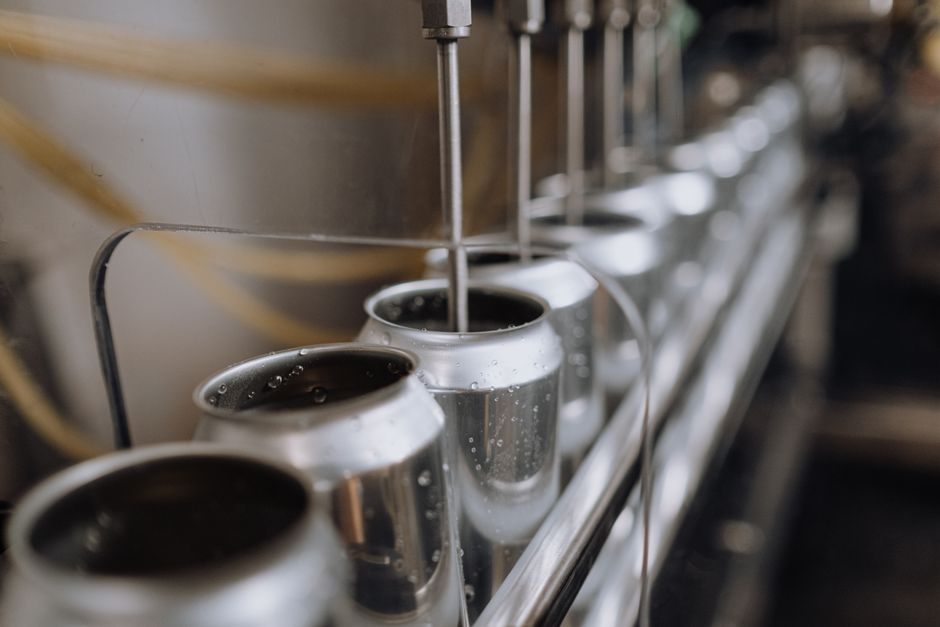
A new aluminum die casting machine in 2026 lists between roughly US$30,000 and US$1,500,000 depending on clamping tonnage, platen size, shot system and control stack, with the heavy end of cold-chamber presses above 1,800 tons regularly clearing the US$1 million mark before auxiliary equipment is added [S4].
Aluminum alloys require cold-chamber die casting because molten aluminum attacks iron-based plungers and shot sleeves; that architectural fact — separate melting furnace plus ladle feeding a horizontal shot cylinder — is the single largest cost driver separating an aluminum die casting machine line from a hot-chamber zinc or magnesium counterpart [S1][S5]. Buyers weighing the line item should also factor in CNC trimming, shot-blast deburring, chromate conversion and heat treatment that mainstream aluminum job shops run in-line [S3].
Price Bands by Clamping Tonnage (2026 Market)
Cold-chamber aluminum die casting machines cluster into four commercial bands. A 160-ton bench-scale or laboratory press lists in the US$30,000-US$80,000 range, a 400-800 ton workhorse sits between US$120,000 and US$350,000, an 800-1,600 ton structural-die press falls in the US$400,000-US$900,000 band, and a 1,800-3,500 ton automotive structural press runs US$1,000,000-US$1,500,000+ before options [S4]. A separate category of small manual or semi-automatic cold-chamber units from Chinese suppliers sits below US$50,000 and is used for prototype or short-run production rather than OEM structural work [S1].
The same listing surface shows hot-chamber zinc and magnesium machines in adjacent categories at lower price points, and a 125-ton die-casting-coating reference product priced at US$1.21-US$2.00/kg (MOQ 800 kg) helps frame operating consumables that ride on top of the press capital cost [S6].
Spec Stack That Moves the Price Tag
Four specifications move the bulk of the price differential within a tonnage class: platen dimensions and tie-bar spacing, shot weight per stroke, control architecture, and the hydraulic versus servo-hydraulic decision. A wider platen accepts a larger die set; a die set is typically the single largest tooling capital cost on an aluminum structural program, so right-sizing platen-to-part is the largest long-term cost lever [S3][S4].
Real-time shot control, closed-loop valve response under 20 ms, and integrated die-temperature regulators usually lift a 800-ton press quote by 15-25% over a baseline hydraulic unit [S4]. Vacuum die casting machine packages add a sealed shot sleeve, vacuum pump skid and PLC interlocks, and typically carry a 20-30% premium over the equivalent non-vacuum press of the same tonnage.
Total Landed Cost: Press, Auxiliaries, Cell Integration
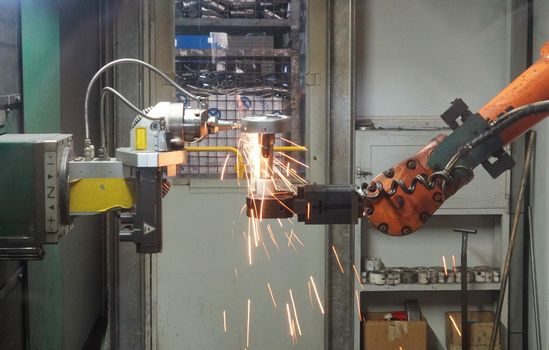
A useful rule of thumb is that the press represents 55-65% of the cell's installed cost, with the remainder absorbed by the aluminum melting/holding furnace (often rated in the 300-1,500 kg holding capacity band), ladle robot or auto-ladle, trim press, shot-blast and vibratory deburring, chromate conversion, paint line, and downstream CNC machining for ports and bolt holes [S3]. For a 1,000-ton automotive structural cell the auxiliary stack regularly adds 40-60% on top of the press purchase order [S4].
Operating cost then layers in alloy (A380, A383, A384 and AlSi9Cu3 are the dominant aluminum die-casting grades), die-coating release agent (the US$1.21-US$2.00/kg band sits in line with the 2026 bulk price reference), and energy — a 1,000-ton hydraulic press draws 80-150 kWh per cycle-hour in typical European shift patterns [S3][S6].
Second-Hand and Remanufactured Market
Asian and European job-shop brokers regularly stock 400-1,600 ton presses from major builders; refurbishment scope commonly includes shot-cylinder reseal, valve-bank replacement, control retrofit to a current PLC/HMI stack, and a re-bored platen [S4].
For a related view on total-cost planning and supply-chain mapping for capital equipment, see the solar panel supply chain price-split analysis for how second-hand and new-build pricing spreads differ across adjacent industrial categories. For selection methodology, the aluminum die casting machine selection gates breakdown covers the five specification gates that lock in the press class before pricing.
Comparison: Aluminum vs Zinc vs Magnesium vs Vacuum Press

The four main machine families diverge sharply on price, cycle speed and operating cost. A hot-chamber zinc die casting machine of equivalent 160-ton class lists at roughly 30-50% of the cold-chamber aluminum price, but is limited to zinc and some magnesium alloys and small shot weights. A magnesium die casting machine typically uses a hot-chamber architecture with SF6/cover-gas protection, sitting at 60-80% of equivalent aluminum press cost but with a 10-20% premium for gas-safety hardware. [S1]
A vacuum die casting machine costs 20-30% more than a non-vacuum press of the same tonnage and is specified where porosity control matters — automotive structural and safety parts with heat-treatment or welding downstream. A gravity die casting machine is a different process class entirely, not a tonnage competitor: it sells for a fraction of the cold-chamber price but only suits simpler geometries at longer cycle times.
Who an Aluminum Press Is — and Is Not — For
Cold-chamber aluminum die casting machines fit medium-to-high volume production of structural and cosmetic aluminum parts — automotive knuckles, subframes, EV battery housings, motor shells, 5G base-station heat sinks, and lighting housings — where cycle times under 90 seconds and shot weights from 0.5 kg to 30 kg dominate the cost model [S1][S3][S5].
They are not the right tool for short prototype runs (3D printing or sand casting typically wins on cost), for high-mix small parts where a hot-chamber zinc or magnesium press cycles faster, or for very large castings above the 1,800-ton class where low-pressure or sand casting becomes competitive on yield and tooling risk [S2][S4].
Sourcing Channels and Standards
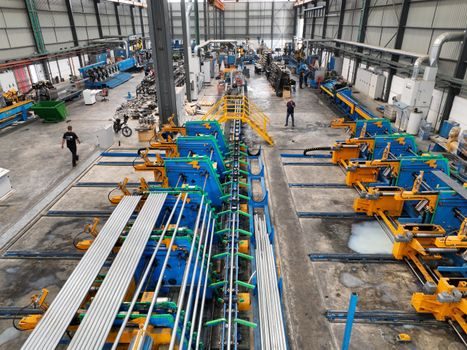
Mainland China and Taiwan are the dominant 2026 sources for new mid-tonnage cold-chamber presses; Germany, Japan and Italy lead the high-tonnage and servo-hydraulic segments; Vietnam and India are emerging for capacity- and price-sensitive structural programs [S1][S2][S5]. The supply chain pages for tier-1 job shops show ISO 9001:2015 quality systems as the baseline expectation and a mature vendor list for aluminum alloys, conversion coatings, CNC finishing and heat treatment [S1][S2][S3].
Buyers comparing a 2026 aluminum press line-up to adjacent process technology — for example squeeze-casting cells for higher-integrity structural parts — should weigh the per-shot cost premium against defect-rate savings; the squeeze casting machine 2026 price and cost guide lays out the tonnage and control-stack trade-offs. For a parallel view of how total landed cost stacks up in adjacent industrial categories, the cast iron 2026 price and cost guide offers a useful cross-reference on grade/weight/total landed cost methodology.
The next trackable signal in this market is the 2026 Q3 Q4 release of new servo-hydraulic cold-chamber platforms in the 800-1,600 ton band, and the continued price compression on 160-400 ton units as Chinese suppliers expand their export footprint.