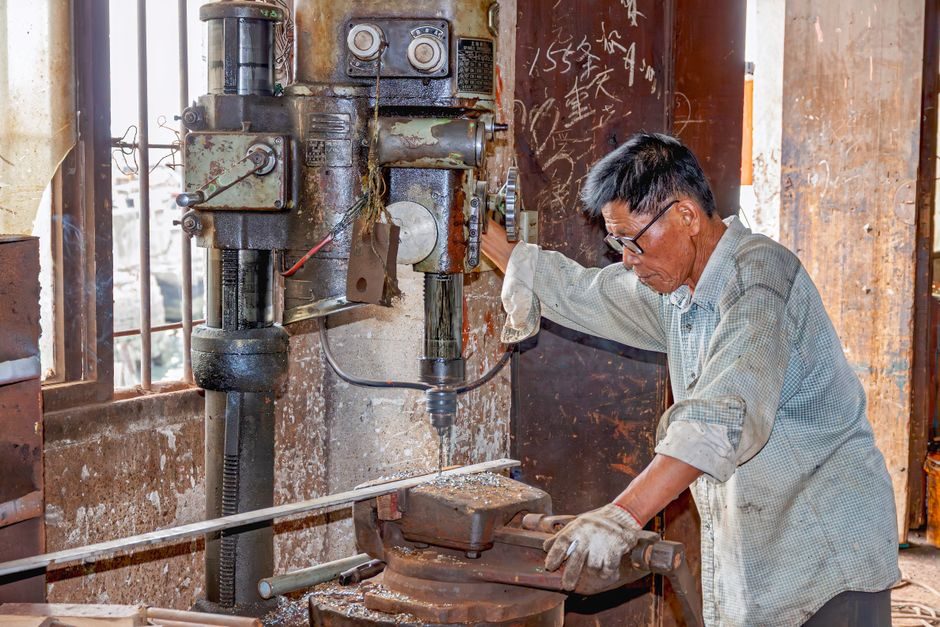
Core drilling machine families fall into three power classes — electric (1150 W handheld diamond rigs to 10500 N magnetic-base annular cutters), pneumatic (explosion-proof units for 300–400 mm rock and rail coring), and hydraulic/horizontal rigs driving 12–202 mm diamond bits in reinforced concrete and stone [S1][S2][S3].
Across the 5 manufacturer listings tracked on DirectIndustry in July 2026, electric machines dominate the catalog (8 of 10 entries), pneumatic covers hazardous-area rail and I-beam coring, and hydraulic spindle core rigs such as the Chinese XY-5/5N, XY-6B/6N, and XY-8 series remain the standard for mineral exploration [S3][S9]. For background on mineral-prospecting rig classification see the core drilling rig encyclopedia entry.
Power Source and Drive Architecture
Electric drives cover the broadest spec envelope: the Eibenstock DBE 162 spans 12–202 µm (millimetre) bit diameters, 0–2,500 rpm, and runs dry in sand-lime brick or wet in reinforced concrete and asphalt, with a 3-speed oil-bath gearbox and mechanical safety clutch [S1]. For metallic workpiece work, the Bernardo MD 4055 magnetic-base unit delivers 1150 W at 230 V, 480 rpm, 10500 N magnetic adhesion, and a 19 mm Weldon arbor accepting 12–40 mm annular cutters at up to 50 mm depth [S2].
Pneumatic machines target environments where electric sparks are unacceptable: the DC21-400 reaches 400 mm diameter at 1,800/900/380 rpm with an explosion-proof motor for rock, reinforced concrete, and ore, while the DC31-300 covers rail tracks and I-beams at 1,350/700/300 rpm [S3]. Hydraulic and electro-hydraulic spindle rigs (XY-5/5N, XY-6B/6N, XY-8) are the workhorses for deep mineral exploration, where continuous torque and feed-force control outweigh the portability of smaller electric units [S9].
Comparison of the Main Core Drilling Machine Types
Selection is driven by four decision criteria — material, hole diameter, worksite hazard, and portability — and the four architecture families each win on different axes, as the table below summarises from the July 2026 DirectIndustry dataset [S1][S2][S3]:
Handheld electric diamond rigs (Eibenstock DBE 162 class): 12–202 mm diameter, 0–2,500 rpm, dry/wet, soft-start electronics, mechanical safety clutch, suited to masonry and reinforced concrete; not for vertical precision on steel [S1]. Magnetic-base annular cutters (Bernardo MD 4055 class): 12–40 mm, 480 rpm, 10500 N adhesion, 12.7 kg mass, 19 mm Weldon arbor, suited to steel and metalwork; limited to ferrous surfaces unless a vacuum/pipe-attachment base is added [S2]. Pneumatic explosion-proof rigs (DC21-400, DC31-300): 300–400 mm diameter, multi-step gearboxes, intrinsically safe motors, suited to mining, rail, and I-beam coring; require compressed-air supply and produce exhaust noise [S3]. Hydraulic spindle core rigs (XY-5/5N to XY-8): continuous feed force, deep-hole capacity, suited to mineral exploration; capital cost and carrier-vehicle logistics dominate [S9].
Industrial Applications by Sector
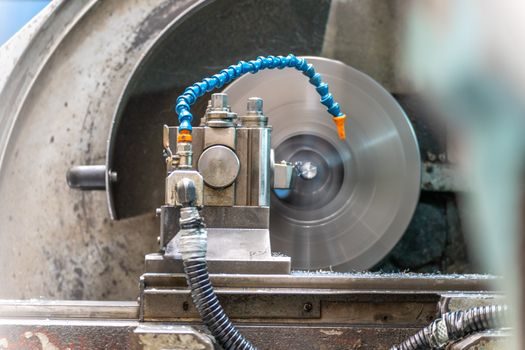
Concrete and asphalt sampling is the single largest downstream use: cores recovered from completed installations are the reference sample for lab tests verifying strength, thickness, and compliance with project specifications, as documented in the July 2026 Gilson technical brief [S7]. M&E contractors use diamond core rigs to create openings for plumbing, HVAC, and electrical conduits through reinforced concrete walls and slabs — the same application envelope listed by Eibenstock under sanitary, heating, and ventilation construction [S1][S7].
Civil engineering and landscaping rely on 100–300 mm class wet diamond rigs such as the GÖLZ KB200 (110–280 mm, 600 rpm) and the Duss DIA 300 W (112–300 mm, 260–350 rpm) for bollard holes, crash-barrier anchors, and underfloor firing penetrations, all with safety clutches and water-saving precision metering to control slurry on site [S3]. For related upstream rig selection on rock excavation see the DTH drilling rig selection guide.
Hazardous Locations and Safety-Critical Service
Explosion-proof pneumatic core drills (DC21-400, DC31-300) are the specified solution in oil-and-gas, mining, and rail environments where flammable atmospheres rule out commutator motors; the rail-specific DC31-300 carries a self-locking rail clamp for track-side deployment and 1,350 rpm top speed for fast 300 mm penetration [S3]. Electric rigs gain safety through electronic soft-start, temperature control, over-current cut-off, optical overload indication, and a service LED that warns roughly 10 working hours before carbon-brush shutdown — features standard on the DBE 162 [S1].
Mechanical safety clutches on machines such as the Duss DIA series prevent kickback and bit lockup, while the magnetic adhesion of 10500 N on the MD 4055 must be verified against the workpiece mass and surface condition before any overhead or vertical cut [S2][S3]. For related alignment and acceptance criteria on rotating equipment see the shaft coupling installation reference.
Precision, Tolerances, and Spec Boundaries
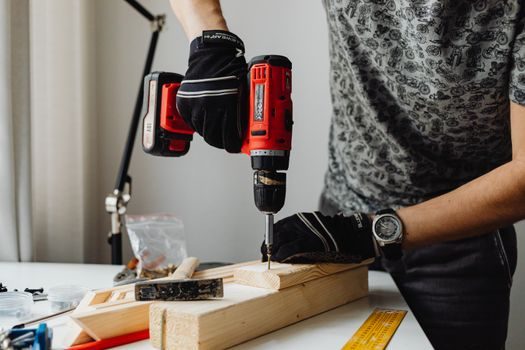
Precision-class electric core drills in the July 2026 DirectIndustry index (5 manufacturers, 10 products) span 12 mm to 400 mm diameter and rotational speeds from 0 rpm (ram-up only) to 2,500 rpm — the speed band itself is the first tolerance check, because diamond bit life falls sharply above the matrix-rated rpm [S1][S3]. The ALFRA Rotabest RB 35 B Basic Line holds 12–35 mm at 0–450 rpm and is positioned as the economy-utility SKU; the EDM33 covers 45–300 mm at 180/430/750 rpm and is described by its manufacturer as capable of up to 400 mm in specific setups [S3].
Ancillary spec boundaries worth checking at quote stage: arbor type (Weldon 19 mm is the de-facto magnetic-base standard, 1¼″ UNC for larger concrete bits), max drill depth (50 mm on the MD 4055 versus the much deeper barrel travel on rig-mounted units), and water-flow control (Duss machines offer precision water metering and constant control to keep slurry within environmental limits) [S2][S3]. The horizontal core drilling machine class (YAN FU TAN 90HHD/150HHD, Taiwan-origin) extends the same diamond-bit principle to long-reach horizontal bores for plumbing, sleeve, and pipe passes [S5].
Sourcing, Standards, and Vendor Selection
AGP Professional Power Tools (Taiwan) markets a combined magnetic core-drilling-and-tapping line targeting metalworking fabricators that want a single machine for both hole-making and thread-cutting, with OEM/ODM support for branded resale [S4]. Service-side vendors such as Core Drill Ltd (UK) bundle the equipment with diamond drilling, stitch coring, wall/track sawing, and floor sawing for construction contractors that prefer outsourced execution [S6].
Material coverage and bit compatibility remain the dominant selection filters: abrasive substrates (sand-lime brick, clinker, asphalt) suit the DBE 162 dry/wet convertible platform; structural steel and plate suit magnetic-base Weldon-shank annular cutters; reinforced concrete and natural stone above 100 mm suit rig-mounted wet diamond units with safety clutches and water-flow control [S1][S2][S3]. Buyers should cross-check the bit specification against ISO 22917 (diamond core drill terminology) and the local electrical certification — CE/UKCA for European builds, UL/CSA for North American sites — before releasing purchase orders. A helpful parallel for spec-driven vendor mapping is the storage rack system types reference.
Trackable signals for the next 90 days: the DirectIndustry precision core-drilling index (5 manufacturers, 10 products as of 2026-07-17) and any new ALFRA, Bernardo, Duss, Eibenstock, or GÖLZ catalog drops will reset the diameter-vs-rpm envelope that procurement teams quote against. Watch the AGP magnetic core drill and tapping line for additional OEM/ODM partners beyond Taiwan, and verify whether horizontal-class machines (90HHD/150HHD pattern) gain CE-marked variants in EU plumbing and HVAC tenders.
Spec-level background on the components involved: rotary drilling rig, and shell core machine.