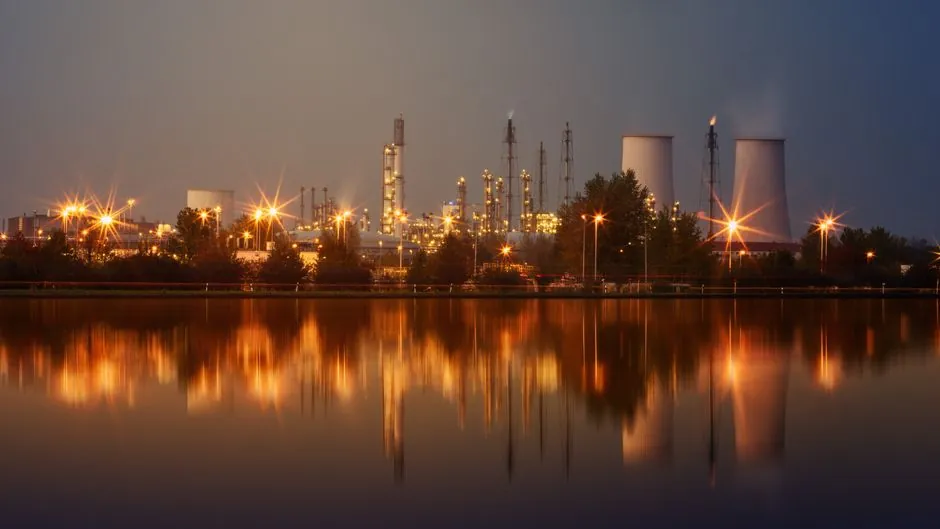
Chemical plant electrical packages are now specified almost entirely against ATEX 2014/34/EU and IEC 60079, with Zone 1/Zone 2 (gas) and Zone 21/Zone 22 (dust) classification driving the protection concept, per the 2026 hazardous-area guide [S1]. AISI 304 and AISI 316L stainless steel, plus aluminium alloys, are the dominant enclosure materials where corrosive vapours are present [S1].
The core engineering question is not "is the box heavy?" but "which protection concept fits which zone": flameproof 'd', increased safety 'e', pressurised 'p', or intrinsic safety 'ia/ib/ic' [S1]. For context on the wider hazardous-area family, see the explosion-proof equipment overview before drilling into component-level selection.
Classifying the Hazardous Area Before Picking Hardware
Under the IECEx/ATEX zoning system, Zone 0 indicates an explosive gas atmosphere present continuously or for long periods, Zone 1 indicates it is likely in normal operation, and Zone 2 indicates it is not likely and if it occurs will persist only briefly; the dust equivalents are Zone 20, 21, and 22 respectively [S1]. Equipment Groups mirror that split: Group I for mining, Group II for surface gases, Group III for dusts [S1].
The North American Class/Division system runs in parallel and remains common in legacy chemical plants: Class I Div 1 covers locations where ignitable concentrations can exist under normal operation, while Class I Div 2 covers locations where they are not expected in normal operation [S1][S8]. Temperature class (T1 to T6) caps the maximum surface temperature below the auto-ignition point of the surrounding gas, and the standards require a measurable safety margin between the equipment's hottest surface and the dust's ignition temperature [S1]. A working grasp of explosion-proof electrical fundamentals is therefore a prerequisite for any chemical-plant spec.
Protection Concepts Compared: 'd' vs 'e' vs 'p' vs 'i'
Flameproof enclosure 'd' contains an internal explosion and prevents flame transmission through a precisely machined flamepath, making it the workhorse for Zone 1 lighting, junction boxes, and control stations [S1]. Increased safety 'e' adds measures against excessive temperature, sparks, and arcs on normally non-sparking parts, so it is the right concept for terminal boxes, motors, and luminaires where switching does not occur inside the enclosure [S1].
Pressurisation 'p' holds a positive internal pressure of protective gas to keep the explosive atmosphere out of the enclosure interior, suiting analyser houses and control rooms adjacent to a plant [S1]. Intrinsic safety 'ia/ib/ic' limits electrical energy below ignition thresholds even under fault conditions, which is why it dominates loop-powered instrumentation, gas detectors, and field-mounted transmitters [S1]. For chemical injection skids, where pumps and control panels sit close to the process, ATEX/IECEx-certified panels are specified together with the explosion-proof distribution gear that feeds them [S2].
Materials, Enclosures, and Corrosion Resistance
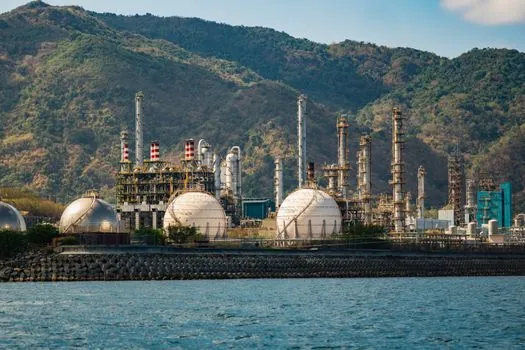
Stainless steel AISI 316L is the default for chloride-rich atmospheres, while AISI 304 is acceptable for less aggressive indoor chemical areas, and aluminium alloys are used where weight and heat dissipation matter, as in LED high-bay fixtures [S1]. Borosilicate glass and selected engineering plastics appear in sight glasses and inspection windows on the same enclosures [S1].
Enclosures in chemical service must simultaneously satisfy impact, IP66/IP67 ingress, and surface-temperature requirements, with the same box often carrying both an ATEX and an IECEx certificate to cover European and global projects [S1][S4]. Cable entries use certified flameproof glands and thread adapters, and unused entries are closed with certified stopping plugs so the flamepath integrity is not compromised [S5]. An explosion-proof junction box selection is therefore inseparable from the cable gland schedule, not a separate purchase.
Lighting, Controls, and Emergency Hardware on a Chemical Site
Explosion-proof LED floodlights, linear walkway luminaires, and high-bay fixtures are the dominant lighting formats for Zone 1 and Zone 2 process areas, with portable hazardous-area work lights used during turnarounds [S5]. For escape routes, explosion-proof emergency luminaires and exit signs with battery backup are specified to the same zone classification as the surrounding process area, and dual certification (ATEX plus Class I Div 1 listing) is now common on U.S. Gulf Coast projects [S6].
Push buttons, selector switches, and control stations are typically built on increased-safety 'e' terminals inside a flameproof 'd' housing, which is the standard pattern for motor starters, isolation switches, and explosion-proof button stations on chemical reactors [S1]. Lighting layouts must also account for hazardous-area task illuminance levels, and a separate explosion-proof light selection pass is needed for indoor, outdoor, and emergency duty rather than treating them as one commodity line.
Cost, Maintenance, and Compliance Trade-offs
Explosion-proof equipment carries a higher purchase price than standard industrial equipment, but the gap is offset by lower insurance premiums, longer inspection intervals, and reduced unplanned-downtime exposure, per the 2025 cost-comparison analysis [S4]. Standard devices, by contrast, are simpler to install and maintain but cannot legally be used in classified areas, regardless of how "safe" they appear [S4].
Maintenance discipline matters as much as initial spec: threaded flamepaths must remain undamaged, gaskets must be replaced with the correct OEM material, and any field modification voids the certificate. Records of inspection, repair, and overhaul are normally kept per IEC 60079-17, with re-certification required after any enclosure repair that affects the flamepath [S1][S4]. Worker training on electrostatic discharge, bonding, and grounding is the non-electrical half of the same risk picture, especially in bulk transfer of solvents and intermediates [S2]. For related electrical-safety tooling outside hazardous areas, see the spec map on anti-static equipment for electrical work.
Selection Criteria: Who Needs What, and What Can Be Skipped
Mandatory for any Zone 0/1/2 or Class I Div 1/2 location: certified explosion-proof enclosures, certified cable glands, ATEX/IECEx-marked nameplates, temperature class below the process gas auto-ignition, and IP rating matched to washdown and outdoor exposure [S1][S3]. Equipment Group II subdivisions IIA, IIB, and IIC map to specific test gases, and hydrogen service pushes the spec to IIC, the most onerous group [S1].
Not needed and counterproductive: standard domestic or commercial enclosures in any classified zone, even if they look "industrial"; mixing protection concepts on the same wiring duct without a documented segregation plan; and unverified "explosion-proof" imports without traceable certificates from a notified body [S1][S4]. A small chemical pilot plant handling only Zone 2 solvents still requires certified gear, but can often specify 'e' or even 'nA' rather than the heavier 'd' enclosures that a Zone 1 process unit demands [S1]. For buyers comparing motor-driven packages across a plant, the parallel discussion on pump selection for pulp and paper mills shows how the same protection-concept logic applies to rotating equipment in harsh service.
Trackable Signals for the Next Specification Cycle
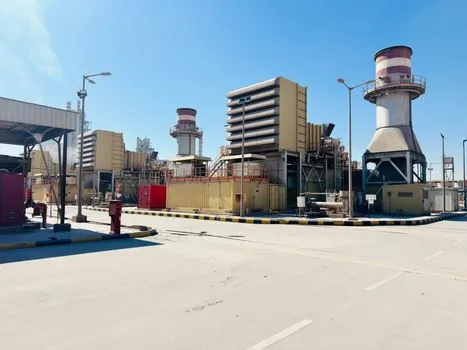
Two signals are worth monitoring on the 2026-09-10 horizon: continued migration from HID to explosion-proof LED luminaires on Zone 1 retrofits, driven by the 50,000-hour-plus service life of modern LED drivers [S5], and growth in dual-certified (ATEX + IECEx + Class I Div 1) control stations that allow a single SKU to cover European and U.S. Gulf projects [S4]. Track regional notified-body publications and any 2026 amendments to IEC 60079-0 and IEC 60079-1, which govern general requirements and flameproof enclosures respectively, before locking in long-lead frame agreements. Project teams should also confirm vendor nameplate data (certificate number, Ex marking string, temperature class, ambient range) at goods receiving, not after installation, since mismatches at that stage routinely cause site rework.