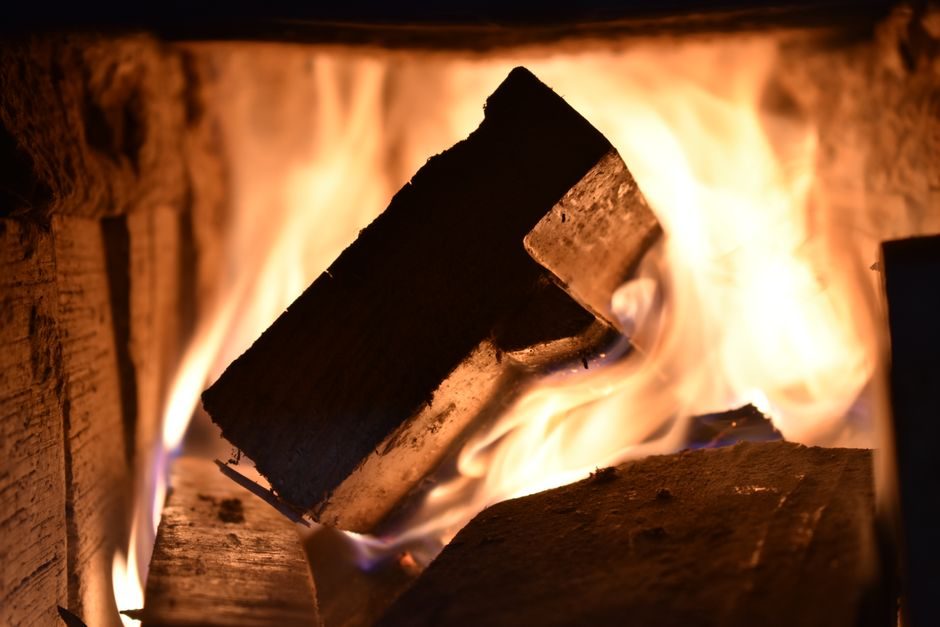
A 1-tonne (1000 kg) gas-fired reverberatory aluminum melting furnace commonly lists between US$10,000 and US$80,000 on Chinese B2B platforms in 2026, with typical working temperatures near 1100–1250 °C for aluminum alloy melts [S2][S4]. Higher-capacity tilting or regenerative stack-melter designs above 5 tonnes scale into six figures, and a single burner upgrade or refractory reline can swing delivered cost by 15–30 %.
Buying the furnace is only the visible line item: process gas piping, NOx-compliant burners, stack, preheater, refractory life, and downstream launder systems each add 20–40 % on top of the bare-shell price. For a fuller spec cut on burner type versus melt rate, the Gas-Fired Aluminum Melting Furnace 2026 Buying Guide walks through the same units from a sizing perspective, while the Gas-Fired Aluminum Melting Furnace vs Induction 2026 Spec Cut lines them against the electric alternative for the same melt rate.
2026 Price Bands by Capacity and Furnace Class
Reverberatory gas-fired melters in the 0.3–1.0 tonne class — including the XINTE mini series offered by Foshan Metech Aluminum Technology — are the most common entry-level units on Chinese B2B platforms, listed with a 1 Set minimum order and a manufacturer supply ability of 50 Sets/Year [S2]. For larger tonnages, tilting crucible and stack-melter designs climb into the US$50,000–150,000+ range; a 1700 °C nitrogen-atmosphere industrial melting furnace from Hunan Jingtan Automation lists at US$30,000–55,000 per piece, illustrating how atmosphere and temperature ceilings move price even before capacity is added [S4]. Industrial drying-crop furnaces under CSA 3.8-2014 sit in a different regime (lower temperatures, lower cost), but share the same gas-pressure and burner-control architecture and are useful as a reference point for control-system costing [S6].
For buyers comparing electric alternatives, the Line Frequency vs Melting Furnace 2026 Spec Cut is the natural cross-reference, while buyers already committed to mains-frequency induction will find cost drivers mapped in the Line Frequency Induction Furnace 2026 Buying Guide.
What Drives the 15–30 % Cost Spread Inside One Capacity Band
Burner technology is the dominant cost lever. A standard recuperative burner adds roughly US$2,000–6,000 per furnace, while a regenerative burner pair commonly costs 2–3× that and pays back only above ~1,500 tonnes of annual throughput, per the Springer review of gas-fired holding furnaces in the secondary aluminum industry [S1]. The same review notes that holding furnaces, often dismissed because of "relatively low natural gas usage," still benefit from recuperative or regenerative upgrades once the rest of the plant's melt shop is optimised — a useful precedent for sizing burner spend on a primary melter.
Refractory grade is the second lever. The encyclopedic overview of fired-brick linings and monolithic castables shows that high-alumina and silicon-carbide formulations rated to 1500–1700 °C roughly double the lining cost of a 1100 °C fireclay stack, but extend campaign life from 6–12 months toward 18–24 months in continuous aluminum service. Furnace body and shell steel (commonly rolled Q235B / A36 equivalents for 1100 °C-class units) and the alloy of the aluminum alloy bath hardware (taphole blocks, launders, skim dams) further shift the quote.
Gas Pressure, Burner Management, and the Hidden Auxiliaries
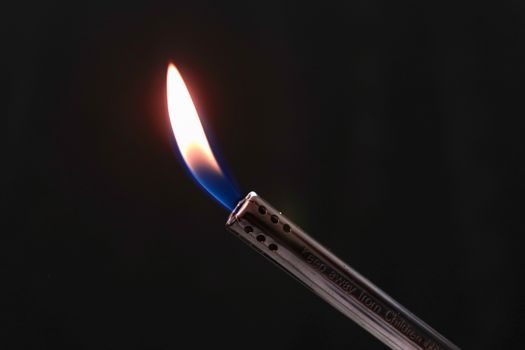
Most Chinese OEM specs in the 0.3–3 t class are rated for natural gas at 5–20 kPa inlet pressure with built-in flame monitoring; sites with only 2 kPa propane or LPG supply must add a booster train, typically US$3,000–8,000. Zero-pressure regulator packs, dual-fuel (LNG/propane) changeover kits, and electronic ratio control push the burner skid from a "basic" to a "premium" line, which is why two otherwise-identical furnaces on a Made-in-China listing can differ by US$15,000–25,000. [S1]
Stack and emissions hardware is the next hidden line. A 6–10 m stack, dilution damper, and basic continuous emissions monitor for NOx commonly add US$8,000–20,000. The same Springer casthouse study documents that switching from air-fuel to oxy-fuel burners changes oxidation behaviour on AlMg alloys in measurable ways — metal loss falls, but flue-gas volume drops and the stack sizing math moves with it [S5]. Buyers specifying oxy-fuel should factor the oxygen supply contract into the lifetime cost, not the capex quote.
Refractory Life and the Real Operating-Cost Curve
Energy dominates the lifetime cost of a gas-fired reverberatory melter, but refractory is the largest single maintenance line. A 1-tonne unit burning ~80–120 Nm³ of natural gas per tonne of aluminum and turning the bath 4–8 times per day typically sees a full reline at 12–18 months, with localised patching of the burner quarls and taphole every 3–4 months. The Springer modelling work quantifies this for holding furnaces and concludes that recuperative/regenerative retrofits only become economic when daily throughput is high enough to amortise the burner cost over the refractory campaign [S1].
For buyers also selecting a gas aluminum melting furnace for a new casthouse, the same logic drives stack-melter versus dry-hearth choices — the melting furnace family page outlines why residence time, dross generation, and burner count all feed back into refractory wear.
Freight, Duty, and Incoterm Levers Buyers Can Negotiate
Most Chinese OEM quotes in the data set are FOB or EXW, with the buyer's freight forwarder booking sea freight [S2][S4]. A 1-tonne gas-fired melter on a wooden crate with a 20 ft slot occupies roughly 15–25 CBM, and door-to-door landed cost in North America or the EU typically adds 18–30 % on top of the FOB price after ocean freight, customs duty (commonly 0–3.7 % for industrial furnaces under many HS codes), and last-mile delivery to the foundry. The Foshan Metech listing accepts L/C, T/T, D/A, and D/P, which gives procurement teams room to optimise working capital [S2].
Lead time is the other hidden cost: standard reverberatory units quote 30–45 days ex-works for a 1-tonne reverberatory, 60–90 days for a 3-tonne stack melter, and 120–180 days for a regenerative tilting furnace with engineered refractory. A 1-tonne nitrogen-atmosphere specialty furnace from Hunan carries a similar lead time but with added commissioning for atmosphere integrity [S4]. Buyers should price delay as well as dollars: a four-week slip on a 5-tonne melter can cost more than the freight saving from a low-ball FOB quote.
When a Gas-Fired Reverberatory Is the Wrong Tool
Gas-fired melters are the right call when natural gas is cheap (<US$8/GJ), batch sizes are large (1 t+), and alloy turnover is relatively low (10–30 t/day). In those scenarios an induction line — covered in the Line Frequency Induction Furnace Selection: 7 Gates Before RFQ article — usually wins on total cost despite higher electricity draw.
Trackable signals for the next quarter: published OEM price-list revisions from the major Guangdong and Hunan casthouse-furnace builders, and any new NOx/CO limits in EU industrial-emissions guidance that would push more buyers toward regenerative burners and increase the 2026 premium for compliant units.