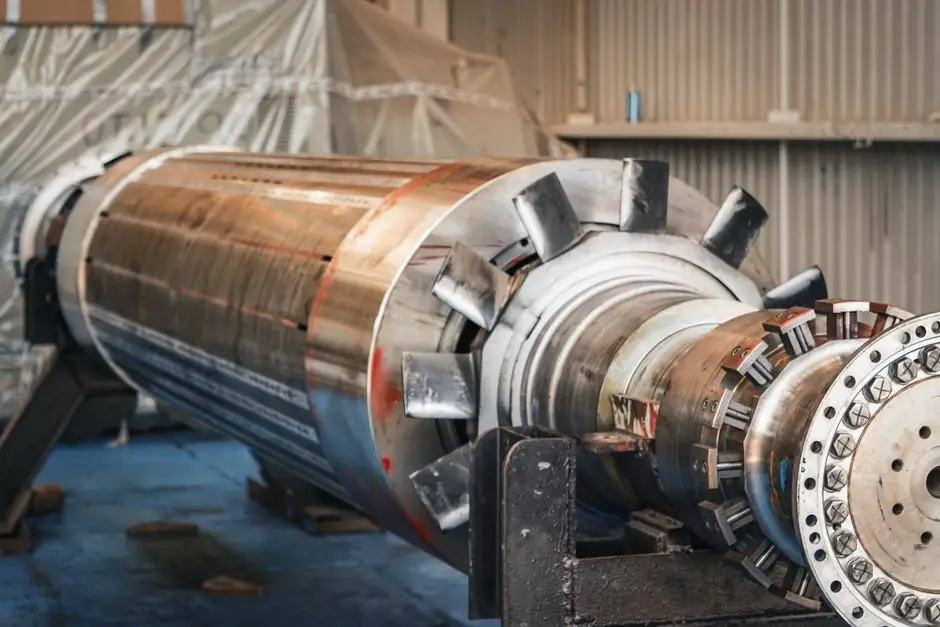
Shot sleeve spare parts and consumables for die-casting and shot blasting cells divide into four wear-driven groups: blast wheel blades, control cages and directional sleeves, impeller/distributor wheels, and chamber liners/wear plates, each with a distinct replacement trigger and stock policy [S3][S5].
Specifying correctly starts with three data points: the machine model, the worn component's installed position, and its key dimensions, since the same English part name can map to different structures across OEMs and wheel generations [S5]. Typical wear-resistant materials named in the published spare-parts list are high-chromium alloy, manganese steel, and hardened cast iron, all chosen for continuous abrasive impact [S3].
Blast Wheel Blades, Control Cages, and Impellers
The blast wheel is the highest-wear sub-assembly in any shot blasting machine, and its blades are explicitly called out as replaceable items that deteriorate from continuous abrasive impact [S1]. Practical identification requires width, length, thickness, mounting profile, set quantity, and a photograph of the old blade before a quote can be reviewed [S5].
Control cages (also called directional sleeves) govern the abrasive stream toward the workpiece, and the published identification guide separates them from blast wheel blades because the two parts look superficially similar but have different opening directions, wall thicknesses, and mounting faces [S5]. Impellers and distributor wheels sit on a different axis again: front and back photos, OD, ID, bore, keyway, and height must all be confirmed against the matching wheel before a replacement is released [S5].
Chamber Liners, Wear Plates, and Curtains
Chamber protection parts include rubber liners, manganese liners, wear plates, protective curtains, and chamber tiles, all designed to absorb the abrasive stream before it reaches the cabinet structure [S3]. For walk-behind and IMPACTS-class units, the liner is treated as scheduled maintenance rather than a break-down item, with a typical swap taking only a few minutes once the cabinet is opened [S4].
Material selection in this group is driven by impact severity rather than temperature: rubber for noise and light-impact zones, manganese steel for sliding abrasion, and high-chromium cast iron for direct impingement surfaces [S3][S5]. A reader cross-referencing die-casting cells will see the same logic in the shot sleeve inspection checklist, where wall loss and pour-zone cracking drive the same kind of measured-dimension decision.
Abrasive-Handling and Dust-Collector Consumables
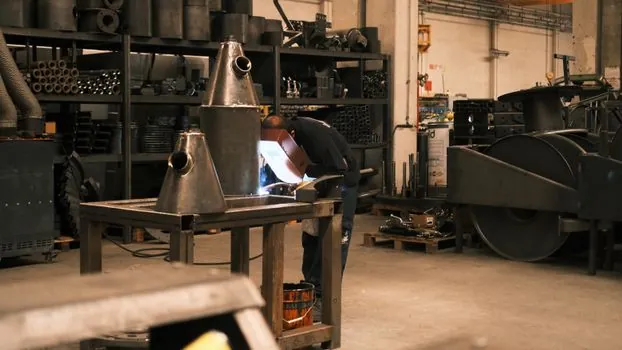
The abrasive circulation loop has its own consumable set: elevator buckets, elevator belts, screw conveyors, separator screens, abrasive valves, and feed spouts, all of which wear from the re-circulated steel shot or grit [S3]. In air-blast machines, the parallel set includes blasting nozzles, nozzle holders, blast hoses, deadman handles, pinch valves, and O-rings, with the nozzle typically the first item to swap when blast pattern degrades [S3].
Dust-collector consumables (filter cartridges, filter bags, solenoid valves, pulse-jet valves, exhaust fans, and hoses) determine cabinet visibility and air quality, and a clogged filter will show up as lost suction and visible dust before any wheel-side symptom [S3]. Buyers in adjacent surface-prep cells can compare this loop with the material-handling chain described in the pneumatic conveying selection reference, where the same filter-and-valve consumable logic recurs at larger throughput.
Identification Workflow Before You Quote
Buyers are most often delayed not by a supplier refusing to quote but by sending "please quote this part" without a model, photo, or dimension, and overseas requests for older or retrofitted machines are the worst offenders [S5]. The published seven-group identification table groups parts as: blast wheel parts, blades, rotor/bare wheel, control cages/directional sleeves, impellers/distributor wheels, wear plates/chamber liners, and custom wear parts, with a different data set required for each [S5].
A practical rule is: classify the component group first, then confirm mounting position, structure, and at least one critical dimension, and only then request a review, because the same English name can map to a different structure across brands [S5]. This mirrors the broader procurement discipline in the overhead conveyor selection reference, where the part name is treated as a clue rather than a confirmed spec.
Restoration: Bore Welding as a Cost Route
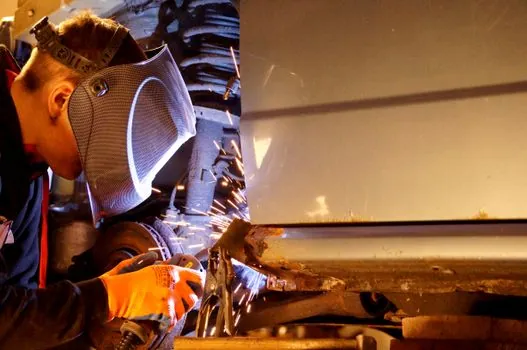
Shot sleeves used in die-casting can be restored to obtain their original life by bore welding rather than scrapping the part, a route documented as a sub-process repair rather than a replacement consumable [S6]. This makes economic sense only when the sleeve body, flange, and cooling channels are still within drawing tolerance and the wear is concentrated on the bore ID.
For foundries running high-mix, short-run alloys, the bore-weld-then-rebore path typically pencils out at 40-60% of a new sleeve, with downtime governed by weld deposition rate and post-weld heat treatment, not by lead time on a replacement [S6]. Plants that standardise on a small set of sleeve diameters can keep a pre-machined bore-weld repair fixture on the shop floor and rotate sleeves through it on a fixed interval, which is the same kit-thinking approach used for blast wheel blade sets [S1][S3].
What This Guide Is For, and What It Is Not
This map is for maintenance buyers, process engineers, and procurement leads who need a parts taxonomy and a quote-readiness checklist for shot blasting machines and die-casting shot sleeves [S3][S5]. It is not a pricing table, not a vendor selection guide, and not a substitute for the OEM's drawing set when the part is a custom casting or a high-chromium precision component [S5].
Plants specifying a new cell should treat this as the consumable side of the bill of materials only: the machine-level spec still flows from the shot blasting machine reference and the broader construction machinery and equipment envelope, with consumables planned on a per-tonne-of-abrasive or per-shift basis rather than a calendar interval [S3].
Track two signals over the next quarter: (1) whether your supplier can return a quote using only the seven-group classification plus a single dimension, which is the practical test of a mature spare-parts channel [S5]; (2) the ratio of bore-welded sleeves to new-sleeve purchases, which is a hard indicator of whether restoration capacity is local or has to be shipped out [S6].
For the relevant spec sheets and selection criteria, see shot sleeve.