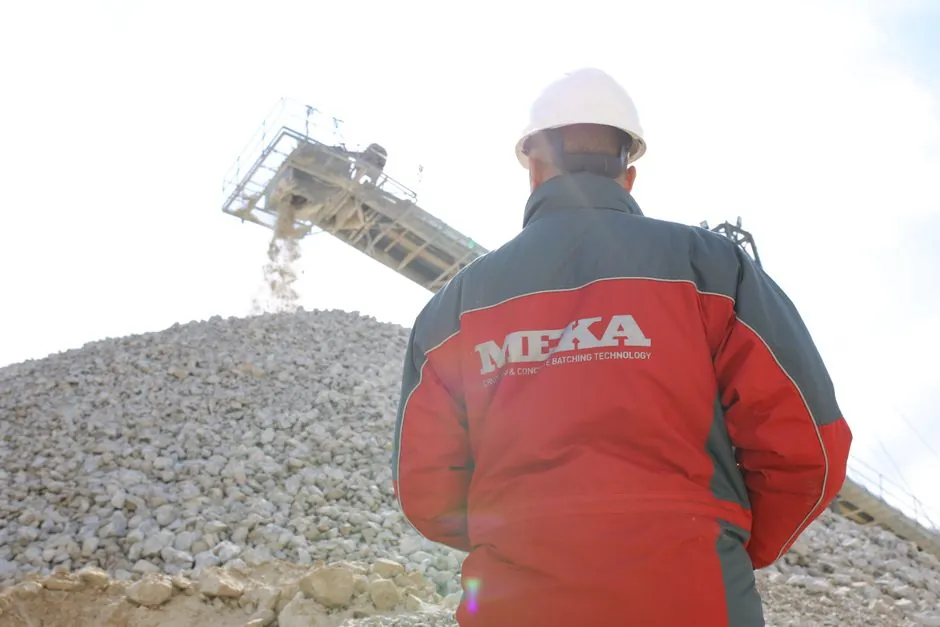
Electric ball valves provide automated 90-degree isolation for mining water, process-water, and non-abrasive service when the valve size, pressure class, seat material, actuator torque, and power supply are matched to the duty [S3][S4][S8].
The preferred application is clean or lightly contaminated liquid isolation; abrasive slurry and solids-bearing lines require a valve architecture selected for erosion, plugging resistance, and full-bore flow [S2][S3][S5].
Define the mining service before selecting the valve
Mining valve selection begins with the medium, not the actuator. Slurry density, line pressure, and chemical abrasiveness determine whether an electric ball valve is technically appropriate [S2]. Mining installations use ball valves, knife gates, butterfly valves, slurry valves, and check valves across pumping stations, slurry transport, separation, isolation, dewatering, intermediate stations, terminal stations, thickeners, and air-release duties [S3].
An electric ball valve is a compact quarter-turn isolation device. The actuator turns the bored ball approximately 90 degrees, aligning the bore with the flow path for open and placing it across the path for closed [S4][S5]. A full-port design can provide a relatively unrestricted flow path when fully open, while a standard round-port ball valve should not automatically be used for continuous throttling [S5].
The decision boundary is straightforward: specify an electric ball valve for clean mining water, raw-water transfer, process-water isolation, and non-solids service where low pressure loss and frequent automated operation matter. Do not use a conventional ball valve as the default for abrasive slurry, tailings, or solids-bearing pipelines unless the manufacturer has explicitly qualified the seat, bore, and wetted materials for that service [S2][S3]. The related selection guide on knife gate valves for mining slurry duty addresses that exclusion more directly.
Match pressure, bore, and seat construction
Pressure rating must be selected from the valve-specific allowable pressure-temperature table rather than copied from a pipeline class. Mining duties can include high-pressure hydromet pump isolation, leaching, acid injection, pressure oxidation, and tailings systems, so the valve body, end connections, seats, stem, and actuator must all remain compatible with the specified pressure and temperature [S3].
For automatic isolation, a full-port ball valve is the usual starting point when minimizing pressure loss is a priority [S5]. For more demanding pressure and structural duty, compare the floating and trunnion-supported arrangements described in trunnion-mounted versus floating ball valve selection and floating ball valve construction. The mining service category includes severe-service ball valves and segmented ball valves, which points to two separate upgrade paths: a trunnion-supported assembly for restrained discharge and a segmented ball for demanding slurry or erosion conditions [S3].
Seat materials require direct confirmation for the actual temperature, pressure, chemistry, and service cycle. General-purpose seats are often described as PTFE, with PEEK used where temperature and pressure exceed PTFE limits [S4]. That guide is not mining-specific, so it establishes only the selection logic. A mine datasheet must confirm the exact seat grade, allowable pressure-temperature envelope, bore configuration, and qualification for the intended medium before purchase.
Compare the realistic electric-valve options
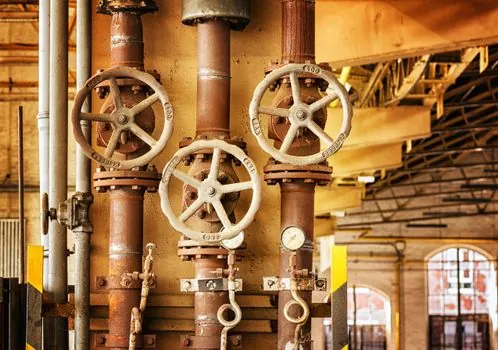
Electric valve type follows process function: ball valves serve isolation and switching, butterfly valves suit many large-diameter isolation duties, knife gates handle solids-containing slurry, and globe or V-port designs address throttling rather than simple on-off isolation [S5].
For water, reclaim, and relatively clean process lines, a full-port electric ball valve gives the strongest combination of compact quarter-turn operation, low pressure loss, and PLC integration [S4][S5]. For large-diameter clean-water isolation, an electric butterfly valve may be more practical [S5]. For abrasive tailings and slurry transport, an electric knife gate valve or a qualified severe-service ball valve is the better starting point [S3][S5].
Size the electric actuator from the actual valve load
Actuator selection follows valve size, pressure, seat design, closing torque, operating speed, voltage, control signal, duty cycle, and environmental exposure [S5][S8]. The actuator and valve commonly connect through an ISO 5211 mounting interface, but a common bolt pattern does not prove torque compatibility or interchangeability of the complete assembly [S4].
Electric ball valves commonly complete a 90-degree stroke in roughly 3–15 seconds [S4]. Size the electric actuator according to the valve torque or thrust, operating speed, voltage, control mode, and duty cycle.
Wiring architecture also needs a defined fail position. Open/close units use limit switches to stop the motor at each end of travel, and feedback contacts can confirm the valve reached a position rather than merely receiving the command [S4]. The control decision must identify the power source, control signal, local/remote selection, open and close feedback, torque or overload protection, manual override, and the required action on loss of power. The electric ball valve reference provides the broader actuator and valve-package context.
Apply the operating cycle and environmental envelope
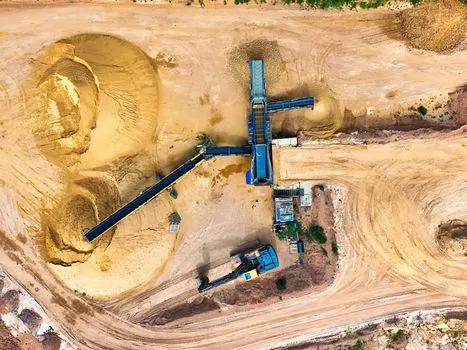
Mine distribution systems can impose frequent cycling. One tailings-distribution application specified electrically actuated valves for operation up to 100 times per week [S6]. That figure is an application requirement, not a universal actuator rating, but it demonstrates why nominal torque alone is insufficient: specify the expected cycling frequency, start-stop load, stroke time, and maintenance interval.
Environmental selection should cover actuator enclosure, moisture, dust, temperature, corrosion exposure, cable entries, grounding, and local electrical requirements. Mining processing areas may combine abrasive solids with acidic chemicals, while wastewater and reuse systems can contain high suspended solids and acidity [S3]. Confirm whether the actuator, positioner, limit-switch housing, terminal block, and cable glands are suitable for the installed location rather than assuming the valve body qualification covers the complete assembly.
Failure behavior must match the process consequence. Manual override is valuable for commissioning and operation during a power interruption because many quarter-turn electric actuators provide some form of manual movement [S4]. For pump or tailings isolation, decide whether the valve must fail closed, fail open, or remain at its last position, and confirm that the actuator supports the specified behavior.
Specify materials and operating limits for the actual chemistry
Mining service may expose the assembly to corrosive reagents, acidic wastewater, abrasive slurry, and entrained solids. Bray identifies abrasion-resistant steel alloys, metal linings, and coatings for mining slurry applications, while its mineral-processing guidance treats metal selection, liners, and coatings as necessary because corrosive chemicals and abrasive slurries are present [S3].
Do not copy a generic stainless steel grade into the datasheet and stop there. Require confirmation of body, trim, seat, stem, gasket, lining, and external coating materials against the named process media. For copper, gold, and silver mining applications, mining ball valves are offered as purpose-designed equipment, but the supplier still needs to state the pressure, bore, actuator, and material limits for the exact service [S7].
Verify allowable temperature and pressure as a pair, not independently. Also check stem sealing, actuator orientation, permitted rotation, mounting clearance, and whether the ball or stem becomes the wear member. A metal-seated ball valve may be considered where elevated temperature or durability justifies it, but seat selection requires documented limits and a defined switching plan. Valve design alone does not establish life under abrasive flow.
Check mining-specific qualification and procurement data
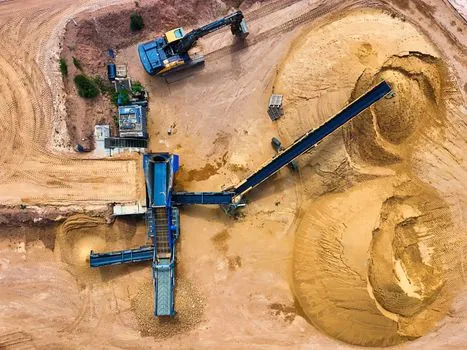
The procurement specification should identify the service line and medium, line size, pressure class, design temperature, flow direction, allowable velocity, slurry solids concentration, particle size, corrosion chemistry, cycle frequency, control system, supply voltage, fail-safe action, stroke time, actuator torque, ingress protection, and required documentation. Mining applications listed by industry suppliers include pumping stations, slurry transport, pipelines, separation, isolation, dewatering, thickeners, air release, hydromet pump isolation, leaching, acid injection, and tailings [S3].
Certification should be tied to the location and equipment class. Bray states that its tested products comply with global certifications and approvals including Lloyd’s Register, UL, and ABS [S3]. These approvals do not replace project-specific compliance review, and no certification should be inferred for an unspecified electric ball valve package.
The final comparison is straightforward: prefer a full-port electric ball valve for clean or lightly contaminated mining-water isolation; use a qualified butterfly valve when large diameter and low pressure loss dominate; use an erosion-resistant knife gate or severe-service ball valve for slurry and tailings; and use a V-port or globe arrangement only when modulating control is required [S3][S5]. The ball check valve category belongs to non-return duty, not remote isolation, so it should not be substituted for a quarter-turn isolation package.
Before releasing the purchase order, obtain the valve-specific pressure-temperature table, torque curve, seat material, bore diagram, actuator electrical data, environmental rating, fail-safe behavior, and written service qualification. Track two procurement signals: confirmation that the selected seat and wetted materials are qualified for the named slurry or process chemistry, and confirmation that actuator torque and duty cycle cover the specified pressure and cycling frequency [S2][S4][S6][S8].