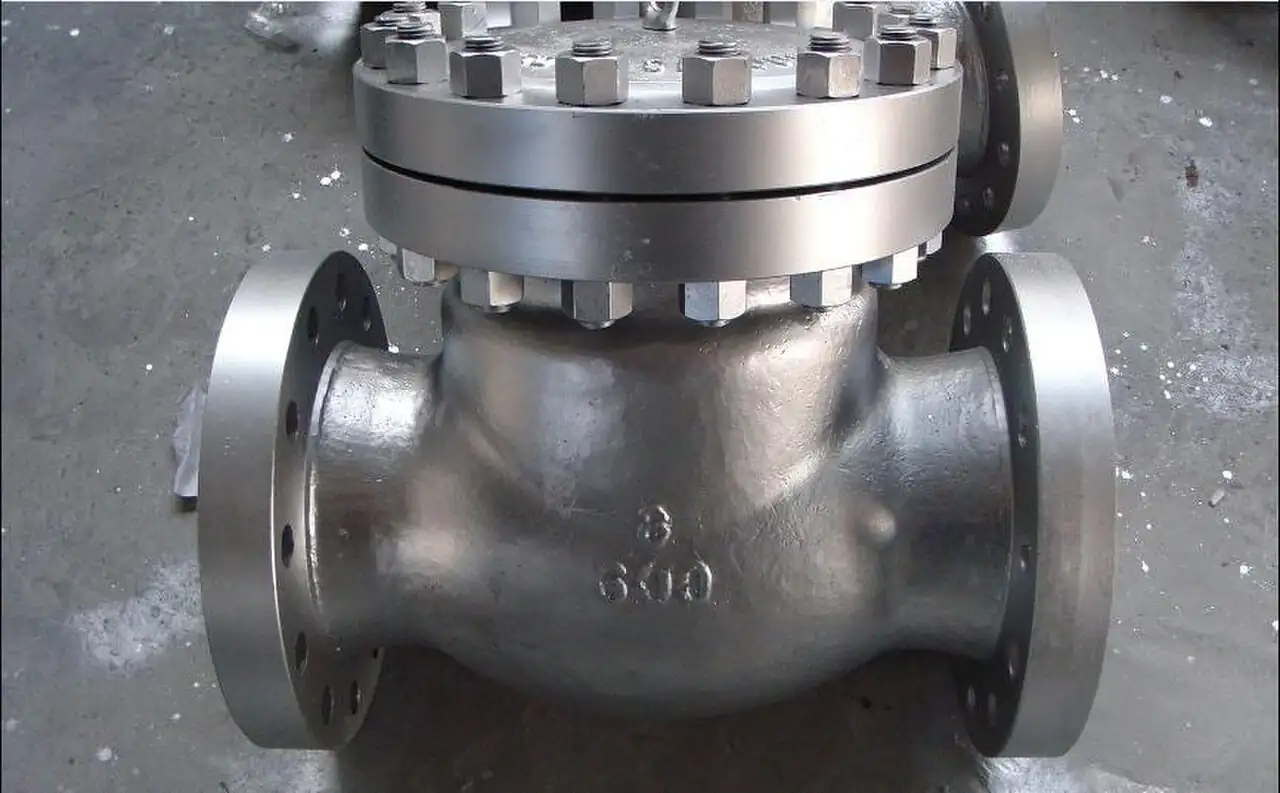
A backflow preventer is a tested and certified assembly of check valves, relief valves, and venting elements installed on a potable water service to stop used or contaminated water from flowing backwards into the drinking water supply. It answers two distinct hazards: backsiphonage, where a main break or a fire pump drawing hard creates a vacuum that pulls water back out of a building, and backpressure, where a boiler, a pump, or a chemically charged process line sits at a pressure higher than the street and pushes its water into the supply. The product exists in three canonical listed forms: the reduced pressure zone assembly, RPZ, with two check valves and a monitored relief valve between them, for high hazard duty; the double check valve assembly, DCVA, with two spring-loaded checks, for low hazard duty; and the pressure vacuum breaker, PVB, which vents against backsiphonage only and must sit above the highest downstream outlet. Sizes run from 1/2 inch residential units to 10 inch and larger assemblies on fire and plant services.
Procurement engineers meet this assembly wherever a water authority requires cross-connection protection: commercial and industrial potable services, fire protection lines and fire hydrant connections, irrigation systems, boiler and cooling tower makeup, and medical or process water branches with additive injection. The decision this page settles is narrow and practical: which hazard class the connection carries and which assembly type the code accepts for it, what listings the water authority will honor, how the assembly's installation constraints, orientation, clearance, drainage of the RPZ relief discharge, shape the mechanical layout, and what the annual test procedure demands of the hardware. The answer lands as an RFQ line set: assembly type, size, hazard basis, listings, orientation, and accessories. Every chapter below feeds that line set so the protection is bought to code, not to a plumbing aisle photograph.
This page treats the backflow preventer as a purchasing object: what RPZ, DCVA, and PVB assemblies each are rated to stop, how hazard classification and listings decide the type, how relief discharge, test cocks, and installation constraints shape the mechanical design, and how annual testing keeps the certification alive. It is written for engineers who issue purchase specifications, not for readers who want a brochure summary.
Chapter 1 / 06
What a Backflow Preventer Is and What Is Being Decided
Cross-connection control is the discipline that keeps drinking water drinkable at the boundary. Every building connection is a doorway, and water does not care which way it flows through a doorway: when street pressure dips below building pressure, or when a vacuum forms in the main, the building's water, with its boiler chemicals, its irrigation runoff, its process additives, pushes or pulls back toward the distribution network. History's contamination events, the reason the modern assembly exists, were exactly this mechanism meeting exactly this inattention. The backflow preventer is the certified answer: not a homemade stack of check valves, but a factory-built assembly tested to a product standard, installed in the orientation the standard allows, and field-tested on a schedule by a certified tester with the assembly's test cocks.
What is actually being decided in this purchase is the match between hazard and assembly. The water authority classifies the connection by what could plausibly flow backwards: a high hazard connection, one carrying anything health threatening, demands an assembly that fails safe to the atmosphere, the RPZ; a low hazard connection can accept the double check family; irrigation and other backsiphonage-only cases can accept the PVB where it can be mounted high. The buyer who under-specifies the assembly fails the inspection and the public health logic behind it; the buyer who reflexively over-specifies RPZ everywhere pays triple in hardware, and often pays again in the drain that an RPZ's relief discharge requires. The decision is a code lookup and a mechanical layout problem, not a brand preference, and the RFQ should carry the hazard basis so the supplier's application check has something to check.
The family context matters because the piping world offers many check valves, and none of them is a backflow preventer. A swing check-valve stops reverse flow mechanically; the lift-check-valve and dual-plate-check-valve variants do the same with different geometries; and the neighboring encyclopedia pages treat each of them as the piping component it is. But a check valve is an unmonitored single barrier: it leaks as it wears, it has no way to announce its leakage, and no water authority accepts it as cross-connection protection. The listed assembly is different in kind: redundant checks, monitored or vented failure behavior, test cocks that let a technician measure each element's performance in place, and a product standard behind every one of those features. The gate-valve or butterfly-valve isolating the assembly, the y-strainer protecting it, the pressure gauge pairs around it, are station hardware; the assembly itself is the certified barrier.
Standards and listings organize the datasheet. ASSE International product standards define each assembly type, ASSE 1013 for reduced pressure principle assemblies, 1015 for double checks, 1020 for pressure vacuum breakers, with parallel standards from AWWA and CSA in their jurisdictions; the USC Foundation for Cross-Connection Control and Hydraulic Research maintains the independent approval listing that most North American authorities reference. The plumbing and water supply codes adopt these by reference and add the installation and testing rules, and the local water authority is always the final arbiter of what it will accept on its network. A datasheet that names no listing is a price tag, not a specification.
The RFQ should also name the service and the surroundings. Fire service assemblies answer a fire-hydrant or fire-pump connection and carry their own approval nuances; plant services with boilers or additive injection answer to the hazard study; irrigation and cooling makeup run their own standard arrangements. Freeze protection and drainage decide whether the RPZ lives outside in a heated enclosure or inside a vault with air gap drainage, and the monitored relief options, a flood sensor or a switch on the relief, matter wherever a discharge would be catastrophic rather than merely wet. Stating these in the RFQ lets one supplier match the assembly, the enclosure, and the monitoring in a single pass instead of four arguments at delivery.
Chapter 2 / 06
How the Assemblies Stop Reverse Flow
The RPZ is the instructive machine, because its logic explains the others. Two independently spring-loaded check valves divide the assembly into three zones: supply pressure upstream, an intermediate zone between the checks, and the downstream system. In normal flow, both checks open and the intermediate zone rides slightly below supply pressure. If the downstream pressure rises, backpressure, the second check closes, and the intermediate zone begins to be squeezed; before that pressure can reach supply level, the relief valve between the intermediate zone and the atmosphere opens and dumps the zone's water outward. The assembly's guarantee is arithmetic: the relief spring is set so that the intermediate zone pressure in every credible failure, including a fouled or stuck second check, stays below supply pressure, and therefore nothing downstream can ever be pushed into the supply. It fails to a spill, loudly and visibly, which is the failure direction a high hazard connection must have.
The DCVA trades that supervised failure for simplicity. Two spring-loaded checks in series stop reverse flow by double barrier, with no relief and no vent: if either check leaks, the leak stays inside the assembly, silent and invisible, and the barrier is simply weaker than designed. That is acceptable precisely and only for low hazard connections, where the fluid that might migrate is objectionable rather than health threatening. The PVB answers just one of the two hazards: it is a single check with an atmospheric vent that opens whenever supply pressure falls, so a backsiphonage event draws air into the vent instead of drawing water back from the building. It has no answer to backpressure at all, which is why the code installs it above the highest downstream outlet, so that backpressure cannot reach it, and why it serves irrigation and similar overhead-fed services.
The test cocks are what turn hardware into a certified assembly. Small valved ports, typically four on an RPZ and two or three on a DCVA, expose each zone to a tester's gauge kit: the annual test on an RPZ verifies the first check's tightness, the relief valve's opening point relative to supply, and the second check's tightness, and the test record is what the water authority audits. The test connections mean the assembly is a measurement instrument as much as a valve: it is calibrated in place yearly, and its fitness is a documented number, not an opinion. Buyers should insist on the full test cock set and the standard test procedure named in the documentation, because an assembly that cannot be tested to its listing is, to the authority, not the listed assembly at all.
Hydraulic behavior deserves a paragraph because it sizes the pit. Every assembly costs pressure: an RPZ in normal flow drops roughly 10 to 13 psi at rated velocity, more at high flow, and the DCVA somewhat less. On a service with thin supply margin, that loss decides the assembly's size, sometimes one size larger than the pipe to recover the loss, and the layout must keep the straight runs the manufacturer's pressure drop table assumed. Fire service assemblies compound the question, because the fire-pump churn and the hydrant flow cases both have to pass through the assembly without starving the system, and the sizing is a hydraulic calculation, not a pipe-diameter match.
Two verification behaviors decide whether the installed assembly protects. The first is the relief discharge behavior of the RPZ: a brief spit on startup as the zone stabilizes is normal, and a continuous discharge is the assembly announcing a failed check or a real backpressure event, and the drain must be sized for that announcement. The second is the annual test record itself: passed values within the listing's tolerances, filed with the authority. Both behaviors are designed features, and the mechanical installation exists to let them happen.
Chapter 3 / 06
RPZ, DCVA, and PVB Types and Construction
Three listed types cover the market, and the division is by hazard and physics rather than price tier. The reduced pressure zone assembly, RPZ or RP assembly, is the high hazard instrument: two checks and the monitored relief, spill-on-failure, installable only in orientations its listing allows, normally horizontal, and always with an air-gapped drain under the relief. The double check valve assembly, DCVA, is the low hazard instrument: two checks, no relief, installable in more orientations, at a fraction of the RPZ's cost and pressure loss, and often resident in an underground vault on fire lines. The pressure vacuum breaker, PVB, is the backsiphonage-only instrument: check plus atmospheric vent, mounted at least a foot above the highest downstream outlet, standard on irrigation services. A fourth form, the atmospheric vacuum breaker, appears in fixture and hose applications but is not a testable assembly; the RFQ vocabulary should keep it out of a service-line specification.
Construction follows the water and the listing. Bronze dominates the small sizes, the 1/2 to 2 inch residential and commercial services; stainless steel and epoxy or fusion coated ductile iron carry the larger assemblies, where weight and potable compatibility both matter. Every wetted material carries the drinking water approvals of the jurisdiction, lead-free requirements in the United States being the binding example, and the listing plate carries the standard, the size range, and the orientation limits the laboratory actually tested. Internal trim is springs, seats, and checks arranged for in-place service, and the better assemblies allow check and relief cartridge replacement without cutting the assembly out of the line, which is a maintenance line item worth asking for at purchase.
The station around the assembly is part of the specification. Isolation valves, a resilient gate-valve or butterfly-valve on each side, let the tester work; a y-strainer upstream on dirty services protects the checks; sensing taps with a pressure gauge pair quantify the assembly's loss, with a pressure transmitter feeding the building system where the service pressure is logged; a globe valve serves throttled makeup arrangements and a ball valve gives tight local isolation on small branches; and on monitored services, a flow-switch or flood sensor on the RPZ discharge reports the spill to the building system. Riser arrangements, the spaced elbows that let a large RPZ sit in a room, and the air gap funnel that receives the relief discharge, are mechanical design deliverables, not installation improvisations: the air gap is a code dimension, and the drain sizing follows the manufacturer's discharge table at full relief flow.
The duty map below consolidates the type choice into one table a specifier can scan before writing the RFQ; it pairs common services with the assembly that the codes accept for them.
Service
Assembly to specify
Notes on the choice
Commercial or industrial potable service, high hazard
RPZ, horizontal, with air-gapped drain
Hazard study and authority acceptance govern
Fire service connection to sprinkler or hydrant main
DCVA or RPZ per authority; vault or room
Fire flow sizing and approval nuances
Irrigation system, overhead fed
PVB above highest outlet, or RPZ for additive systems
Backpressure-free layouts only for PVB
Boiler or cooling tower makeup
RPZ on chemical additive services
Treatment chemicals are high hazard
Medical or process water with injection
RPZ with monitored discharge
Flood sensor where discharge is critical
Low hazard residential or light commercial
DCVA or dual check per code
Non-testable dual checks only where code allows
Boundaries are worth stating bluntly. This assembly is not a check valve and no arrangement of check valves substitutes for it; the listing, the test cocks, and the supervised failure are the product. It is not a pressure reducing valve: a pressure reducing valve sets downstream pressure, it does not certify a barrier, and the two share only a brass silhouette in catalog photographs. It is not fire protection hardware either: the deluge-valve and sprinkler-system pages treat the fire side, and the fire-hydrant page treats the street fitting, while this assembly sits at the boundary protecting the potable supply from the fire system's standing water. And it is not a metering device; where consumption must be read, the meter is a separate instrument with its own standard.
Chapter 4 / 06
Key Specification Parameters
The table below decodes the datasheet lines that decide whether a quoted assembly matches the service. Each row is a purchase defining parameter; the paragraphs after the table explain what to demand and what a weak answer looks like.
Attribute
Typical range or options
What it decides
Assembly type
RPZ, DCVA, PVB per hazard
Which hazards the assembly is certified to stop
Size and connections
1/2 to 10 in; threaded, flanged, grooved
Service compatibility and pressure loss at flow
Hazard basis
High or low, per authority classification
The type decision, and the inspection outcome
Listings
ASSE 1013, 1015, 1020; AWWA, CSA; USC approval
What the water authority will accept
Working pressure and temperature
Typically 175 psi class, to 180 deg F limits
Envelope of the service and the listing
Pressure loss at flow
RPZ about 10 to 13 psi at rated velocity
Service hydraulics and possible upsizing
Orientation
Horizontal standard; vertical only if listed
Mechanical layout and code acceptance
Relief discharge provisions
Air gap funnel and drain sized to table
Whether the RPZ can spill as designed
Materials
Bronze, stainless, coated iron; lead-free potable
Approvals, weight, corrosion behavior
Test cocks
Full set per type, 2 to 4 ports
Annual testability to the listing
Monitoring options
Flood sensor or relief switch outputs
Building system visibility of discharge
Freeze or enclosure
Heated enclosure, insulation, vault design
Climatic survival of the installation
The listing row deserves its own paragraph because it is the row the whole purchase turns on. An assembly without the listing the authority references is, to that authority, not a backflow preventer, whatever its brochure says; the listing covers the type standard, the size range, and the orientations tested, and the field test procedure assumes all of it. The USC Foundation's approval listing is the de facto registry most North American authorities check, and ASSE, AWWA, and CSA standards appear in the code text behind it. The honest offer states the listing number, the standard, and the size range, and the honest buyer checks all three against the authority's accepted list before the order, because the alternative is discovering it at final inspection, with the building occupancy behind it.
The type table is the second argument in every selection meeting, and the compressed form below is the one a specification file can carry. It pairs each assembly with its certified hazard coverage and its failure behavior.
Assembly
Certified against
Failure behavior
Reduced pressure zone, RPZ
Backpressure and backsiphonage, high hazard
Spills to atmosphere through relief, visible
Double check, DCVA
Backpressure and backsiphonage, low hazard
Silent leakage inside, barrier weakens
Pressure vacuum breaker, PVB
Backsiphonage only, backpressure excluded by mounting
Vent opens to atmosphere on vacuum
Dual check, residential
Low hazard residential containment per code
Non-testable, code limited to its niche
The installation rows close the specification. The RPZ's relief discharge and the drain under it are a code dimension, an air gap, and a pipe sized to the manufacturer's table, and omitting them turns a designed spill into a flood event; the clearances around the assembly are the tester's workspace, and the isolation valves are what make the annual test an hour instead of a shutdown. Freeze protection enclosures, drain access, and vault ventilation belong to the site, but the assembly selection fixes their requirements. The quotation that prices the assembly and leaves the station hardware as an exercise is not a complete quotation.
Chapter 5 / 06
Selection Decision Factors and RFQ Language
The decision sequence is short enough to run as a checklist in a specification meeting, and each step eliminates a class of quotations before price comparisons begin.
Classify the connection with the authority: what can plausibly flow backwards, health threatening or merely objectionable, and which chapter of the local code owns it.
Match the assembly type to the hazard: RPZ for high hazard and for additive services, DCVA for low hazard, PVB only for backsiphonage with overhead mounting available.
Confirm the listing the authority honors: standard number, size range, orientations tested, and presence on the approval registry.
Run the hydraulics: pressure loss at design flow, supply margin, and upsizing decisions; on fire service, the full fire flow case.
Design the station: isolation valves, strainer on dirty services, gauge pair, and the RPZ discharge funnel with air gap and drain sized to the table.
Fix orientation and clearance from the listing, and the enclosure or vault the climate demands.
Add monitoring where discharge matters: flood sensor or relief switch wired to the building system.
Plan the test regime: certified tester, annual schedule, spare check and relief kits, and where the records file.
Fix the evidence package: listing plate data, potable material approvals including lead-free, pressure loss table, and installation instructions by model.
Against neighboring devices the comparison a specifier actually needs runs as follows, and it belongs in this selection chapter rather than in the page title. A plain check valve, in any of its forms, is an unsupervised single barrier and is never accepted as cross-connection protection; the listed assembly differs in kind, with redundancy, supervision, and testability. A pressure-reducing-valve controls pressure and offers no certified barrier; a solenoid-valve isolates on command and depends on the command; the fire-side hardware, deluge-valve and fire-pump and hydrant, protects the building from fire while this assembly protects the city from the building. Choose the barrier the hazard classification demands, and let the listing, not the supplier's stock list, decide the model.
The application map below turns that logic into a table the project file can carry.
Application
Construction to specify
Check before order
Industrial plant potable service
RPZ with drain funnel and monitored discharge
Hazard study filed with the authority
Fire service main connection
Listed DCVA or RPZ per authority, vault or room
Fire flow pressure loss and approvals
Irrigation with fertilizer injection
RPZ, not PVB, because additives raise hazard
Injection chemistry classified with authority
Boiler makeup line
RPZ for treated water compatibility
Temperature class of the listing respected
Cooling tower makeup
RPZ with corrosion-appropriate trim
Biocide and corrosion hazard classification
Overhead-only irrigation, no additives
PVB mounted above highest outlet
Elevation available and freeze exposure
The RFQ block should be written once and reused. A complete block reads: quantity; service and hazard classification with the authority named; assembly type per that classification; size with end connections; listing required by standard number and registry; working pressure and temperature of the service; orientation as installed; materials with potable and lead-free approvals; pressure loss table reference for the offered model; test cock arrangement and accepted test procedure; isolation valve and strainer provision, supplied or by others; relief discharge arrangement with air gap and drain sizing basis; monitoring outputs where required; freeze protection or enclosure arrangement; and the documentation set, listing plate data, installation instructions, and spare parts recommendations for checks and relief. A quotation returned without the listing data or the pressure loss table is incomplete at any price.
Chapter 6 / 06
Installation, Standards, Failure Modes, and Maintenance
Installation quality decides whether the certification survives contact with the field. Mount the assembly in an orientation its listing allows, horizontal for most RPZ models, with the clearances the tester needs and the manufacturer prints on the drawing. The RPZ discharge is piped through an air gap to a drain sized for full relief flow, because the assembly's designed failure is a spill and the building must be able to receive it. Isolation valves hold tight, or the annual test becomes a building shutdown, and the strainer on dirty services is cleaned before the first test rather than after it. Freeze protection is a climate line item: heated enclosures, insulation, and drainage arrangements in cold zones, and vault ventilation where the assembly lives underground.
Commissioning practice protects the record. The assembly is installed, flushed, and then tested by a certified tester before the service goes live, and the passed test is filed with the authority as the baseline. The gauge pair around the assembly, where the design includes one, is read and logged so the pressure loss trend has a beginning. The relief behavior is observed on first startup, the brief spit that normalizes as the zone fills, and any continuous discharge is resolved before handover, not watched hopefully. The test kit connections are exercised so the second annual test does not meet seized cocks.
The standards set the verification frame. ASSE product standards define the assembly types; AWWA and CSA carry the parallel requirements in their jurisdictions; the USC Foundation registry lists approved assemblies; and the plumbing and water codes adopt the whole structure and add the testing regime, annual tests by certified testers in most jurisdictions, with records held by the water purveyor. Potable material requirements, lead-free in the United States among others, bind every wetted part. A specification that cites these by name transfers the burden of proof to the supplier, which is where it belongs.
Failure modes in service follow a short and predictable list. Continuous relief discharge on an RPZ: a fouled first check holding the zone pressure high, a worn second check letting downstream pressure back, or a real backpressure event; the discharge is the assembly working, and the diagnosis is the test kit, not a plug in the funnel. Check fouling: debris and scale hold a check off its seat, the barrier weakens silently on DCVAs and loudly on RPZs, and the strainer plus the annual test are the countermeasures. Test cock leakage: worn cock packing weeps, and the fix is a packing or cock kit at the next test rather than a bypass pipe, which is a violation with a wrench. Freeze damage: a cold snap finds the unheated enclosure or the low spot in a vault, the body cracks or the check distorts, and the repair is the enclosure the first cost should have bought. Corrosion: aggressive water attacks the trim, and the material selection at purchase is the only lever that exists.
Maintenance intervals are set by the code, not by preference: annual testing by a certified tester is the norm, with the test values recorded and filed. Between tests, the owner's obligations are the strainer, the drain under the RPZ, the enclosure's heat, and a standing instruction that a discharging RPZ is a service call, not a plumbing nuisance. Every test produces numbers, check tightness, relief opening differential, and those numbers are the real condition monitor for the barrier. None of these checks costs a tenth of one contamination event's consequence, and every one of them feeds the next RFQ with site-specific evidence, which is how a purchasing file gets smarter instead of just older.
FAQ
Why is a check valve not an acceptable backflow preventer?
A check valve is a single unsupervised barrier: it wears, it leaks, and it has no mechanism to announce either. A listed backflow assembly is different in kind: redundant check elements, a monitored or vented failure path, test cocks that let a certified tester measure each element in place, and a product standard behind the whole package. No water authority accepts a bare check valve as cross-connection protection, because the protection is the certification and the testability, not just the blocking of flow.
When is an RPZ required instead of a double check?
When the connection is classified high hazard, meaning whatever could flow backwards is a health threat: process water with additives, boiler and cooling tower chemicals, irrigation with fertilizer or chemical injection, medical systems. The RPZ fails to a visible spill through its monitored relief, so even a double failure cannot push downstream water into the supply. Double checks serve low hazard connections, where a silent weakened barrier is an acceptable risk and the spill hardware is an unnecessary cost.
What is the difference between backsiphonage and backpressure?
Backsiphonage is a pull: a main break or a hard-drawing fire pump creates vacuum in the supply and the building's water is sucked back. Backpressure is a push: a boiler, booster pump, or chemically charged process line sits above street pressure and forces its water into the supply. RPZ and DCVA assemblies address both; a pressure vacuum breaker addresses backsiphonage only, which is why codes require it mounted above the highest downstream outlet so backpressure can never reach it.
Why does my RPZ discharge water?
The relief valve is doing its job. A brief spit at startup is the intermediate zone stabilizing; a continuous discharge means the assembly is spilling by design because it detected a condition: a fouled first check letting zone pressure climb, a leaking second check admitting downstream pressure, or a genuine backpressure event. The correct response is a test and probable check service, never a plug or a pipe bypass of the discharge, which converts a working safety device into an unreported failure.
How often must the assembly be tested and by whom?
Most jurisdictions require an annual field test by a certified backflow tester, with the results filed to the water authority. The test uses the assembly's test cocks to verify each element against the listing's tolerances: check tightness and the relief opening differential on an RPZ, check holding on a DCVA. The annual test is what keeps the certification alive between factory listings and real service, and the records are what the authority audits.
Can I install a backflow preventer vertically?
Only if the listing for that specific model includes the vertical orientation. Most RPZ assemblies are listed for horizontal installation because the relief valve's behavior was tested in that position, and vertical mounting can change the relief's response. The listing plate and the manufacturer's installation sheet state the allowed orientations, and the authority's inspector will read them. Planning the mechanical layout around the allowed orientation is cheaper than arguing with the inspector after the riser is built.
What does the air gap under an RPZ discharge do?
It guarantees that the relief discharge, which can be a meaningful flow when the assembly spills, enters the drain through a visible atmospheric break rather than a solid pipe connection. The gap dimension follows the code, and the drain is sized to the manufacturer's discharge table so a full relief flow does not flood the room. The air gap also prevents any drain backflow from reaching the assembly, keeping the spill path sanitary in both directions. It is a two dollar fitting doing a code function; omitting it is the classic final inspection failure.