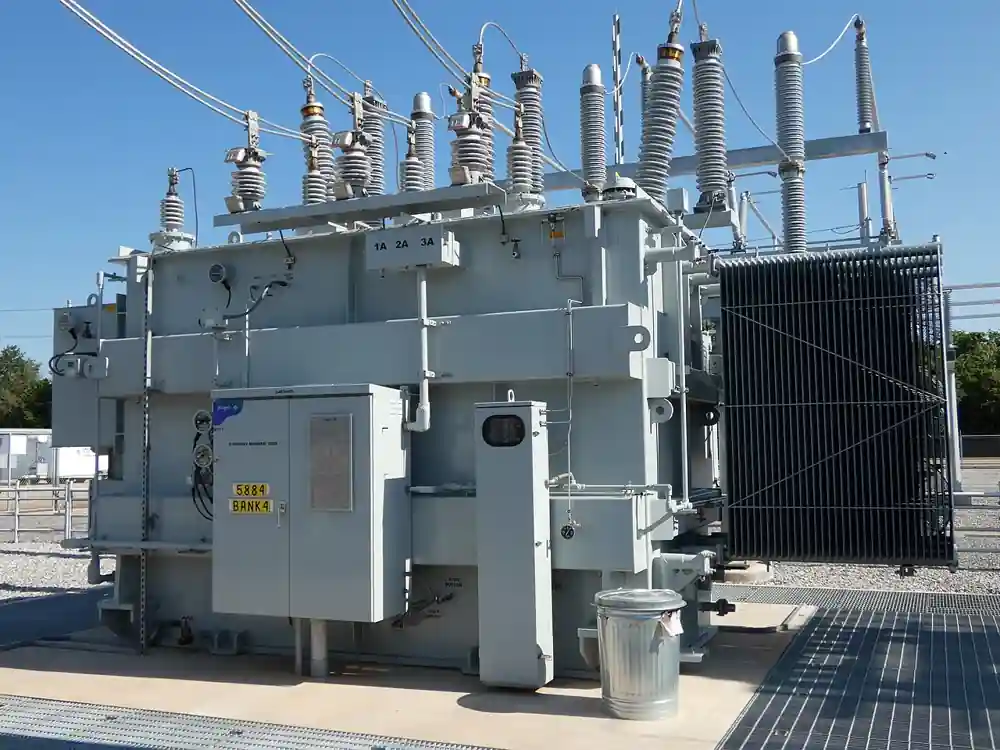
A gas engine is the spark-ignited, gas-fueled reciprocating engine, turbocharged and intercooled in every serious rating, that burns natural gas, biogas, landfill or associated gas, or engineered fuel mixes in cylinders and delivers shaft power to a generator, a compressor, or a pump. Lean-burn designs run excess air for low NOx and high efficiency and dominate continuous power and combined heat and power; rich-burn, stoichiometric designs run three-way catalysts for the cleanest simple sites and smaller duty. INNIO Jenbacher and Caterpillar gas engine ranges are representative of the industrial class, from a few hundred kilowatts to nearly five megawatts per engine, and this page treats the complete machine, engine, generator, fuel system, and heat recovery, as the purchasing object.
This page is written for the engineer specifying a gas engine for continuous power, a CHP plant, a mechanical drive, or standby duty. It works through what the machine does and what is actually being bought, how the combustion and the fuel system do the work, which design choices such as rich against lean burn and heat-recovery depth separate one offering from another, the parameters that recur on vendor data sheets, and the selection factors and RFQ language that decide whether the plant delivers its kilowatts and its heat on the actual site gas for a service interval that holds.
The decision concentrates in five places: the duty, continuous, CHP, or standby, because it writes the rating class and the maintenance contract; the fuel gas, its composition, methane number, and pressure, which licenses or disqualifies engines outright; the burn architecture, lean or rich, with its emissions path; the heat recovery depth, jacket water, exhaust, and aftercooler circuits, that sets the CHP economics; and the balance of plant, gas conditioning, cooling, electrical, that turns an engine into a plant. Get those right and the hours accumulate.
Chapter 1 / 06
What a Gas Engine Is and What Is Being Decided
The machine this page describes is a large reciprocating internal combustion engine configured for gaseous fuel: a heavy crankcase and crankshaft, six to twenty cylinders in Vee or inline arrangement, each with a spark plug, a gas-admission or gas-mixing system ahead of or in the cylinder, turbochargers compressing the intake, and charge coolers, the aftercooler family of heat exchangers, densifying it. The engine turns a generator at fixed speed for 50 or 60 Hz power, or at variable speed for mechanical drive on compressors and pumps, and its heat, jacket water, aftercooler, oil, and exhaust, exits in circuits designed for recovery. Engines run standalone, in multiples in one plant, and in containerized or building installations, with the fuel system, gas conditioning and control, cooling, and electrical switchgear around them.
What is being decided when a gas engine is purchased is an energy statement over a maintenance contract. The buyer is purchasing the ability to deliver a stated electrical output on a stated fuel gas at a stated electrical efficiency, with heat recovered at stated temperatures when CHP is the game, within emission limits, for a stated maintenance interval between overhauls with a stated service life measured in tens of thousands of operating hours. Everything on the vendor data sheet, output, efficiency, heat rates, gas limits, service intervals, exists to support that statement, and honest vendors size and warranty from gas analysis and site conditions rather than by copying the last project.
The gas engine sits in the power-machinery family with well-defined neighbors that this encyclopedia treats separately. It is not the diesel generator, its compression-ignition sibling with its own fueling, emissions, and duty logic, though the two share crankcases, generators, and installation practice; it is not the gas turbine, the Brayton-cycle machine that owns the large blocks and fast starts where the reciprocator owns efficiency in the small ones; and it is not the steam boiler or its prime movers. Its CHP relatives, the heat-recovery-steam-generator that turns its exhaust into process steam, the cooling tower that rejects what is not recovered, and the industrial heat pump that upgrades what would otherwise be wasted, are neighbors with their own pages. Its fuel system kin, the reciprocating-compressor and screw-compressor machinery that boosts gas to engine pressure and the knockout-drum and filter hardware that cleans it, interface at the engine's gas train.
Different buyers buy the same machine for different gases and loads. A factory buys lean-burn natural gas engines in CHP, electricity plus steam and hot water, at overall efficiencies near ninety percent. A wastewater plant buys biogas engines burning digester gas, dirty and variable, with fuel conditioning and derating. An oilfield burns associated gas that would otherwise be flared, tolerating a gas composition that changes with the well. A data center or hospital buys rich-burn or lean-burn standby units with fast starts and black-start capability. A pipeline runs mechanical drive, engines turning reciprocating compressors at variable speed. The gas and the duty write the specification; the reciprocating physics does not change.
The economics deserve their own paragraph because gas engines are bought with efficiency and heat. Against grid power, the engine's case is the spark spread, fuel price against electricity price, plus the heat value when CHP applies, and electrical efficiency in the low-to-mid forties with total CHP efficiency near ninety percent is the class's signature; against a gas turbine at the same size, the reciprocator wins efficiency and part-load behavior while the turbine wins footprint and maintenance simplicity. Maintenance is a priced contract line, consumables and overhauls at stated hours, and the maintenance interval, longer with each engine generation, is a commercial number as real as the efficiency.
A short tour of named duties makes the machine concrete. At a brewery, two lean-burn engines run continuously on grid natural gas, jacket and exhaust heat warming processes and driving an absorption chiller for summer cooling, overall fuel utilization near ninety percent. At a landfill, engines burn methane-rich gas through conditioning and run at a derated rating on the gas's siloxanes and moisture. At a remote mine, engines in containers run prime power on LNG-derived gas with waste-heat boilers raising steam. At a hospital, a rich-burn standby set starts in seconds and runs the critical load through outages. Each duty names the same knobs, gas quality, burn architecture, heat depth, and service, with numbers that scale while the crankshaft turns.
Chapter 2 / 06
How Combustion, Fuel, and Heat Recovery Do the Work
Combustion is spark-ignited premixed or high-pressure direct admission. In the classic premixed design, gas and air mix ahead of the cylinders, the turbocharger supplies dense mixture, and a spark ignites it; in modern high-pressure gas admission, gas injects late in compression directly into the cylinder, tightening control of mixture and timing. The air-fuel ratio, lambda, is the operating personality: lean burn runs lambda around 1.6 to 2.0 with excess air cutting flame temperature, NOx, and knock together, while rich burn runs near stoichiometric with a three-way catalyst cleaning the exhaust. Knock, premature autoignition, is the fuel-quality limit the methane number quantifies, and engines rate their fuel requirement by it.
Fuel gas quality is the machine's license. Composition sets heating value and methane number, and engines state minimum methane numbers and allowable constituents, hydrogen, heavier hydrocarbons, and diluents carbon dioxide and nitrogen, with biogas and landfill gas accepted in defined bands; contaminants, sulfur compounds and siloxanes especially, poison catalysts and deposit in combustion chambers, so conditioning, filtration, drying, and activated carbon towers where needed, is part of the fuel system. Pressure is the other license: engines admit gas from roughly tens of millibar to a few bar depending on design, and the site's supply, boosted by a screw-compressor or reciprocating-compressor package with a knockout-drum and final filter when the grid pressure is low, must deliver it steady, dry, and clean at the gas train.
The gas train and controls are the safety spine. From the supply flange, double-block-and-bleed valves, a pressure regulator with a pressure transmitter supervision, quick-shut-off on demand, and the admission system meter gas to the engine; the control system, modern engines run fully electronic management, meters fuel per cylinder, trims lambda against an exhaust gas analyzer, and sequences starts and loads. Ventilation and gas detection surround the machine in enclosed plants, every junction in the hazardous zones the gas writes landed through an explosion-proof junction box, a safety relief valve standing on every gas and air circuit that can overpressure, and the shutdown philosophy, gas leak, overspeed, low oil pressure, engineered as a safety system first and a control loop second.
Heat rejection and recovery are the CHP physics. An engine's fuel energy splits, roughly a third to electricity, a third to exhaust above the dew point's recoverable range, and a third to jacket water, oil, and aftercooler heat at low temperature; CHP plants recover the exhaust in a small heat-recovery-steam-generator raising process steam or in economizers heating water, the jacket circuit directly as hot water, and the mixed circuits through plate exchangers to district or process loads. The low-grade heat's best customers are hot water, district heating, and, through an absorption chiller, cooling; what is not recovered rejects through a cooling tower or radiators, and the recovery depth chosen at design is the CHP economics chosen at design.
Electrical integration closes the machine. The generator, synchronous with brushless excitation in the class, couples to the crankshaft and feeds switchgear through a breaker, in parallel with the grid, in island mode, or in transition between them; grid-parallel units run governed to load or to export, and island units govern frequency and voltage with black-start engines or backup power to begin. For variable mechanical drive, engines govern speed directly on compressors and pumps, often with a variable frequency drive nowhere in sight because the engine is the variable speed source itself. Power quality, protection relaying, and the interconnection agreement are the electrical plant around the machine, and the RFQ should state the mode of operation precisely.
Emissions and their abatement follow the burn architecture. Lean burn reaches low-NOx combustion in-cylinder and polishes with oxidation catalysts for CO and hydrocarbons, with methane slip the persistent tail; rich burn with a three-way catalyst reaches the lowest simple-site numbers and suits smaller and standby plants. Where permits tighten, exhaust aftertreatment adds selective catalytic reduction with its urea logistics. The emissions statement in the RFQ, with the applicable limits and the test basis, is a commercial number like the efficiency, and vendors guarantee both together or neither credibly.
Chapter 3 / 06
Engine Types, Plant Duties, and Machine Boundaries
Lean-burn turbocharged engines are the continuous-duty class. Running far excess air, they hold NOx low in-cylinder, reach the class's best electrical efficiencies, mid-forties percent at rating, and tolerate biogas and specialty gases within stated bands; their requirements are disciplined gas conditioning, lambda control with fast-acting admission, and maintenance programs matched to thousands of hours between overhauls. Rich-burn stoichiometric engines trade a few efficiency points for three-way-catalyst simplicity, serve standby and small continuous duty cleanly, and forgive fuel systems that lean burn would not. Between them, the market's midrange offers lambda-one-plus variants tuned to site rules.
Duty classes name the rating and the contract. Continuous and prime-power engines run at or near rating for base-load operation with maintenance priced per operating hour; standby engines run rarely, emergency rating above continuous, with maintenance priced by calendar and test hours. CHP plants in continuous duty are the class's economic heart, district heating and industrial steam hosts; mechanical drive on gas pipelines and process compressors runs the same engines at variable speed; and flare-gas and biogas plants convert waste streams to power with the fuel-conditioning packages the gas demands. The duty class is the first RFQ statement because everything, rating, overhaul interval, and price, keys to it.
Plant arrangements separate offerings. Containerized or packaged plants deliver engine, generator, and cooling factory-integrated on a skid or in an enclosure, fast to install and standardized, the small-plant default; building installations with engine halls, cranes, and assembled systems serve large multi-engine stations and sites with their own buildings. Cooling is integral to the arrangement: radiator-cooled packages reject all heat to air, cooling-tower circuits serve water-cooled plants, and CHP plants plumb the recovery circuits instead. The electrical building block, generator voltage and interconnection, and the fuel plant, conditioning and storage where LNG or biomethane are involved, complete the plant scope the RFQ should draw.
Adjacent machines mark the boundary. The gas engine is not the diesel generator, its liquid-fueled sibling on its own page, though packages share everything but the fueling and the emissions logic; it is not the gas turbine, which owns large blocks and fast transients on its page; and its CHP relatives, the heat-recovery-steam-generator, the absorption chiller taking its low-grade heat to cooling, the cooling tower rejecting what it cannot use, and the industrial heat pump upgrading it, are the neighbors that make or break its economics, each on its own page. The fuel-side neighbors, screw-compressor boosters, knockout drums, and filters, and the water side's small centrifugal pump and control-valve lineups, are balance-of-plant items with their own leaves; the engine purchase must still name their interfaces, because gas, water, heat, and power cross all of them.
Instrumentation and safety complete the installed machine. Continuous monitoring of combustion pressure per cylinder on premium engines, temperature and pressure transmitters across the circuits, a gas analyzer on exhaust for lambda trim and emissions proof, a conductivity meter watching the jacket water's program, vibration monitoring on the rotating assembly, and controls held up through an industrial UPS, turn the engine into an operable plant, while the station's oily drains pass through an oil-water-separator before the sewer. Enclosed plants add ventilation and fire systems; unattended plants add remote monitoring and automatic starts; and the service contract, parts and labor at stated hours with a vendor or an independent, is as much the purchase as the iron.
Chapter 4 / 06
Key Specification Parameters
The vendor data sheet for a gas engine centers on output, efficiency, fuel, and service, and each number carries a duty consequence. The table below lists the parameters that recur across manufacturers' catalogs for the lean and rich burn classes, with typical ranges a buyer will see. Values for a specific project come from the site's gas analysis and conditions and the duty class, and the ranges here are orientation, not a substitute for that engineering.
Parameter
Typical catalog range
What it decides
Electrical output per engine
0.3 to 4.5 MW class
Plant block size; engine count
Electrical efficiency
roughly 36 to 46 percent
Fuel cost; spark-spread economics
Overall CHP efficiency
to 85 to 92 percent
Heat-recovery value; plant justification
Fuel methane number
minimum stated, e.g. 70 to 80
Fuel license; knock margin
Gas admission pressure
tens of mbar to a few bar
Booster scope; gas train design
NOx at reference
class dependent, e.g. below 500 mg/Nm3 to tens
Permit path; catalyst scope
Exhaust temperature
roughly 400 to 500 C
Steam or hot-water recovery depth
Jacket water temperature
80 to 100 C class
Low-grade heat usability
Service interval, overhaul
tens of thousands to 80,000 h
Maintenance contract; availability
Start time
seconds to tens of seconds
Standby and grid-support fitness
Three of these numbers deserve the buyer's suspicion when they arrive without a basis. Efficiency quoted at ISO conditions without the site's derates, ambient, altitude, and the actual gas, flatters the plant by points. Service intervals quoted for pipeline-quality gas applied silently to a biogas project halve the maintenance reality. Emissions quoted without the reference oxygen and test basis is a number without a meaning. An RFQ that demands the basis, gas analysis, site conditions, and the guarantee's fine print, separates engineered offers from assembled ones.
Materials and construction follow the duty. Engine blocks and crankshafts are heavy cast and forged components rated for continuous stationary service; combustion parts, pistons, liners, heads, and valves, are the overhaul's consumables, rated by hours on the stated gas; turbochargers and charge coolers follow industrial turbo practice; generators are industrial synchronous machines; and the package, skid or container, carries its cooling, ventilation, and fire systems. Gas train components are safety-rated valves and regulators, and the whole fuel system is built to the gas codes of the jurisdiction from the first flange.
Chapter 5 / 06
Selection Decision Factors and RFQ Language
Selection starts with the gas analysis, not the catalog. Composition, heating value, methane number, and contaminants decide which engines can run the fuel at all and at what rating; grid natural gas is easy, biogas and landfill gas demand conditioning and derating, associated and flare gases demand tolerance, and hydrogen blends are arriving with their own compatibility statements. The site conditions, altitude and ambient, derate the output, and the fuel's supply pressure decides the booster scope. A vendor cannot honestly quote an engine without the gas analysis, and a buyer who withholds it is buying a surprise.
The duty and heat decision frame the economics. Continuous and prime duty justify lean burn, deep heat recovery, and long-interval maintenance contracts; standby duty favors rich burn, simplicity, and calendar maintenance; CHP economics live in the heat loads, steam through a heat-recovery-steam-generator, hot water, or cooling through an absorption chiller, sized against the plant's real demands, and the surplus-heat path, cooling tower or radiator, sized honestly. Electrical mode, grid-parallel, island, or transition, with black-start needs, writes the electrical scope and the protection relaying.
The table below organizes the decision into the factors that recur across projects, with the questions the buyer should be able to answer before the RFQ goes out. Each row is a place where an incomplete answer becomes an underspecified engine and an availability or economic argument later.
Decision factor
What the buyer must state
Consequence if left open
Fuel gas
Full analysis, methane number, contaminants, pressure
Engine mislicensed; derates surprise
Duty class
Continuous, prime, standby; hours per year
Rating and maintenance class wrong
Heat recovery
Steam, hot water, or cooling loads; surplus path
CHP economics wrong; heat dumped
Burn architecture
Lean or rich intent; emissions limits and test basis
Permit path mismatched to machine
Electrical mode
Grid-parallel, island, black start; voltage
Protection and scope disputes late
Service contract
Interval expectations, vendor or independent support
Availability and cost undefined
Installation
Container or building; cooling water or air
Package scope and layout wrong
RFQ language for a gas engine should name the gas, the duty, and the heat. A workable specification states: the fuel gas with full analysis, methane number, contaminant bands, and supply pressure; duty class with design and annual hours; required electrical output at site conditions with the derate basis; burn architecture intent with emissions limits and their test basis; heat recovery scope, exhaust to steam or hot water, jacket circuit temperatures, and the absorption chiller or other low-grade heat loads; electrical mode, voltage, grid-parallel or island, black-start needs; package scope, container or building, cooling arrangement; gas train and safety scope to the applicable gas codes; instrumentation and monitoring expectations; the maintenance contract basis, intervals, consumables, overhaul philosophy on the stated gas; and the acceptance basis, a performance test on site gas at site conditions proving output, efficiency, and emissions together. Naming the interface equipment, the booster compressor and gas conditioning upstream, the switchgear downstream, lets vendors bid the connections correctly.
Chapter 6 / 06
Installation, Standards, Failure Modes, and Maintenance
Installation is foundation, services, and safety work. Engine-generator sets, package or split, set on foundations designed for the machine's dynamic loads; fuel, cooling, and exhaust systems connect, the exhaust's silencers and heat recovery setting the back-pressure the engine rates; ventilation and gas detection commission in enclosed plants; and the electrical tie-in proves protection and synchronizing before load. Commissioning runs the fuel system's proofs, the safety shutdown matrix, and then staged loads on the actual gas, with the performance test, output, efficiency, and emissions together, as the acceptance event the RFQ named.
Standards for gas engines are engine, gas, and grid practice assembled case by case. The engine and generator follow their industry specifications for stationary continuous duty; the fuel system follows the gas installation codes of the jurisdiction from flange to admission; emissions follow the site's permit with its test basis; and grid connection follows the interconnection rules where parallel operation applies. There is no single international gas engine standard governing the plant end to end, so the RFQ must name the applicable gas, electrical, and emissions codes and the vendor's manufacturing standards for the engine and its safety systems. Edition references should be verified current at purchase rather than copied from an old specification.
The recurring failure modes track fuel quality and duty discipline. Contaminated gas, sulfur and siloxanes above limits, deposits combustion chambers, fouls catalysts, and shortens overhaul intervals, and the fuel-conditioning program is the preventive; ignition and admission components, spark plugs and gas valves, wear on schedule and misfire when neglected, watched by cylinder-level monitoring where fitted; turbochargers follow their oil and air discipline; exhaust heat-recovery surfaces foul with soot on rich mixtures and corrode at dew point in intermittent duty; and cooling systems scale and foul when the water program is casual. The systemic failure is deferred maintenance, hours accumulated past intervals, which converts an operating asset into an overhaul emergency.
Maintenance planning is hour-driven with calendar floors for standby. The table below lists the recurring items with the typical cadence a plant will schedule, assembled from common practice; the real schedule follows the engine's stated service structure on the actual gas, and the service contract should print it.
Item
Typical action
Typical cadence
Fluids and filters
Oil sample and change, filters, coolant test
500 to 2,000 h tiers
Ignition system
Plug and coil checks, cylinder balance
1,000 to 3,000 h
Gas admission valves
Check and calibrate per cylinder
Service structure tiers
Turbocharger and aftercooler
Inspect, clean charge-air circuit
Mid-service tiers
Cylinder heads, valves
Overhaul at stated hours on the gas
Tens of thousands of h
Major overhaul
Pistons, liners, bearings per schedule
To 80,000 h class
Safety and gas systems
Proof-test shutdown matrix, gas detection
Annual
Long-term care keeps the plant earning as fuels and markets drift. Gas compositions shift with supply contracts, and the engine licensed for one analysis meets the next with derates or conditioning changes that monitoring catches early; heat loads change with the host plant, and the recovery circuits' balance wants retuning season to season; and mid-life upgrades, better controls, improved turbochargers, extended-interval components, arrive from the vendors and pay in availability. The plant that treats the engine as a metered asset, hours and gas and heat accounted, is the plant whose economics still clear the spark spread in year fifteen.
FAQ
What is the difference between a gas engine and a diesel generator?
Fueling, combustion, and economics. A gas engine spark-ignites a premixed or directly admitted gaseous fuel, runs lean or stoichiometric with the emissions path that choice implies, and burns natural gas, biogas, and specialty gases with efficiency and CHP heat as its signature. A diesel generator compresses liquid fuel to ignition, owns fast response and fuel storage independence, and carries diesel's emissions and fuel logistics. The two share crankcases, generators, and packaging, but they are bought for different fuel realities, and this encyclopedia keeps each on its own page.
What is lean burn and why do most continuous gas engines use it?
Lean burn runs the engine with substantial excess air, lambda typically 1.6 to 2.0, so combustion temperatures stay low. That suppresses NOx formation in-cylinder, raises thermal efficiency, and gives knock margin on gaseous fuels; an oxidation catalyst then cleans CO and hydrocarbons. Rich burn runs near stoichiometric with a three-way catalyst, reaching low emissions simply but giving up the efficiency edge. Continuous and CHP plants live on lean burn's efficiency and durability; standby and small sites often accept rich burn's simplicity.
What is methane number and why does it matter?
Methane number is a fuel's knock resistance rating for gas engines, analogous to octane for gasoline, scaled with methane as 100 reference. Engine makers state a minimum methane number for each rating: run a fuel below it and the engine knocks, which damages pistons and forces derating or timing retreat. High carbon dioxide or nitrogen dilutes heating value, heavier hydrocarbons lower the knock margin, and hydrogen raises it with its own combustion quirks. The gas analysis with its methane number is the first document in any honest gas engine RFQ, because it licenses the machine.
How efficient is a gas engine CHP plant?
Counted well, near ninety percent. Electrical efficiency runs from the high thirties to mid-forties percent at rating by engine class and site conditions; the exhaust at four hundred plus degrees Celsius raises steam or heats water through a heat-recovery-steam-generator or economizer; the jacket, oil, and aftercooler circuits deliver hot water directly; and total fuel utilization reaches eighty-five to ninety-two percent when the host plant genuinely uses the heat, through process loads, district heating, or an absorption chiller for cooling. The wasted fraction, and the CHP economics with it, is set by how well the heat loads match the engine's output, which is a plant design question, not an engine one.
Can gas engines run biogas, landfill gas, or associated petroleum gas?
Yes, within stated bands and with fuel conditioning. Biogas and landfill gas arrive at roughly half methane diluted with carbon dioxide, carrying moisture, hydrogen sulfide, and siloxanes; engines accept the composition range with derates but demand conditioning, drying, desulfurization, and siloxane removal by activated carbon, to protect catalysts and combustion parts, and maintenance intervals shorten on these fuels. Associated gas from oilfields, often flared, burns well when liquids and solids are knocked out ahead of the gas train. The fuel analysis and conditioning scope are the RFQ's first pages for any of these duties.
What maintenance does a gas engine plant need?
Hour-tiered discipline on the stated gas: fluids and filters in the hundreds-to-two-thousand-hour tiers, ignition and gas-admission service in the low thousands, turbocharger and charge-air care mid-service, cylinder-head work at tens of thousands of hours, and major overhaul to the sixty-to-eighty-thousand-hour class, all printed in the service contract. Standby plants add calendar floors so rarely-run engines stay ready. The fuel's quality moves every interval, which is why conditioning and oil analysis are maintenance tools as much as cleanliness measures; and the safety systems, shutdown matrix and gas detection, are proof-tested annually whatever the hours say.
What should a gas engine RFQ include?
State the fuel gas with full analysis, methane number, contaminant bands, and supply pressure; the duty class with design and annual hours; required output at site conditions with the derate basis; burn architecture intent with emissions limits and test basis; heat-recovery scope, exhaust and jacket circuits, with the real heat loads including any absorption chiller; electrical mode and voltage with grid-parallel or island requirements; package and cooling arrangement; gas train and safety scope to the applicable codes; instrumentation and monitoring; the maintenance contract basis on the stated gas; and the acceptance basis, a performance test on site gas proving output, efficiency, and emissions together. Naming the booster compressor and gas conditioning upstream and the switchgear downstream lets vendors bid the connections correctly.