Industry News

Industry News · Page 82

SAFETY & CERTIFICATION42 min read

Dust Detector Certification Checklist for High-Temperature Assembly

A dust detector certification checklist for high-temperature assembly should verify the ATEX/IECEx zone rating, IP6X dust-tight enclosure integrity, NFPA 660 deflagration controls, and a documented Dust Hazard Analysis before commissioning. The four failure points that block certification are mismat

Read →

Heat Detector Certification Checklist for Electrical Rooms: NFPA 72 + Electrical-Room

Heat detector certification in an electrical room comes down to four artefacts: a listed device matched to the ambient, a Record of Completion on file, NFPA 72 Chapter 14 testing at the right frequency, and an electrical-room inspection that clears the panel, signage, and housekeeping items the AHJ

· SAFETY & CERTIFICATION · 71 min read

Suspended ceiling fabrication: matching grid, hanger, and panel build to code

Suspended ceiling grid, panel, and hanger fabrication must satisfy prescriptive load and tolerance rules (No.12 galvanized wire hangers at 4 ft on center, intermediate/heavy-duty rating for fixtures, 1/360 span deflection limit, 6 ft structural-deck drop cap) so the ceiling can accept light fixtures

· SAFETY & CERTIFICATION · 49 min read

Insulated Tools Certification Checklist for Fire Protection System Service

Insulated tools used to service fire protection systems must meet 1000V dielectric rating (10:1 test margin per UL/IEC 60900), pass daily visual inspection, and carry traceable third-party certification tied to NFPA 70E and OSHA 1910.333 work practices.

· SAFETY & CERTIFICATION · 39 min read

Warning Sign RFQ Line for Electrical Enclosure Builds: Spec-by-Spec

An electrical-enclosure warning-sign RFQ line must lock down signal word (DANGER/WARNING/CAUTION per ANSI Z535), wording, material, mounting location, and governing standard on every line. Skip any one of those and suppliers substitute their own assumptions, producing $1,850 vs $6,400 quotes for nom

· SAFETY & CERTIFICATION · 60 min read

Stretcher Temperature Compatibility: Spec Lines That Actually Match

Stretcher temperature compatibility hinges on four matching layers: operating/storage range, hydraulic fluid, battery charging, and MRI-conditional labeling. Specify ISO 1865 and ASTM F2503 with quantified limits to prevent cold sluggishness and heat seal failure.

· SAFETY & CERTIFICATION · 39 min read

Eye Wash Station Compatibility With ANSI and OSHA Availability Rules

Eyewash stations only count as primary emergency fixtures when they meet ANSI Z358.1, deliver 0.4 gpm for 15 minutes, and sit within 10 seconds of the hazard. Bottled or wall-mounted units are supplemental, and the same plumbing rules apply across lab, pharma, and refinery sites.

· SAFETY & CERTIFICATION · 44 min read

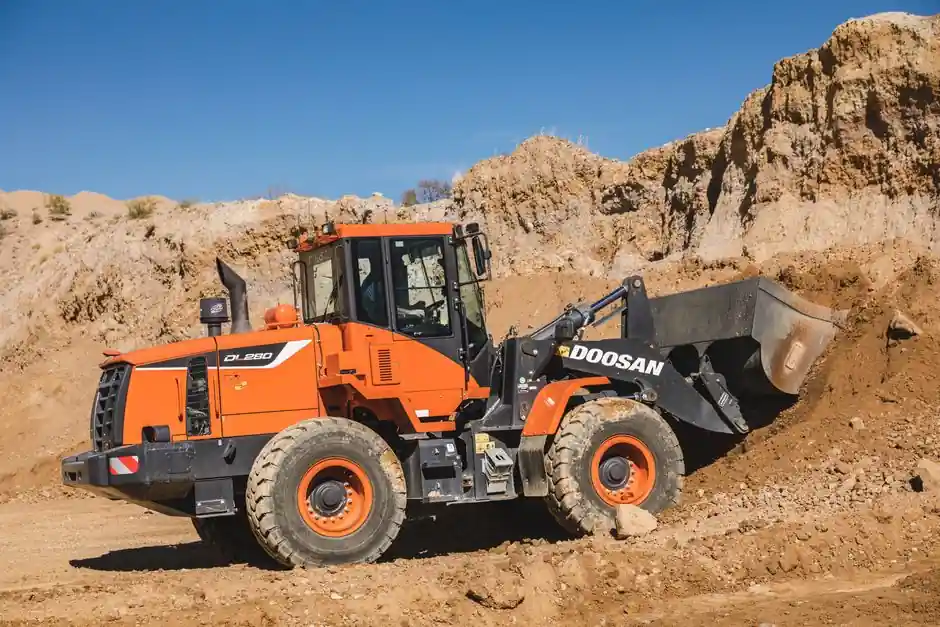
How to Specify a Wheel Loader on a Material Handling Line RFQ

An RFQ for a wheel loader on a material handling line should specify operating weight class, bucket capacity vs material density, engine power, hydraulic flow, lift height, tipping load, and linkage type, since each parameter directly drives loader selection and price.

· SAFETY & CERTIFICATION · 46 min read

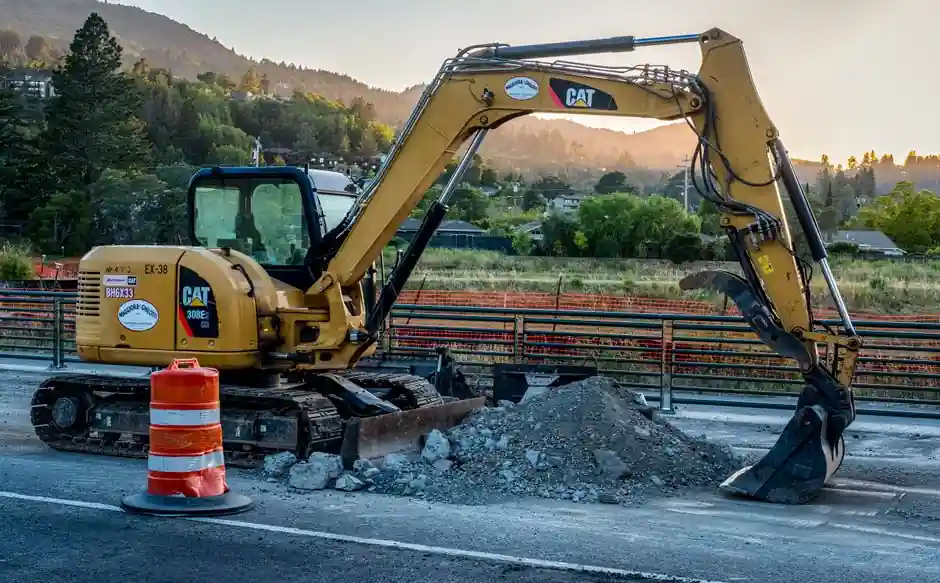
Excavator RFQ Spec Line for Structural Fabrication Jobs

Spec an excavator for a structural fabrication RFQ by writing operating weight, engine power, bucket capacity, reach, tail-swing class, and undercarriage to a single line: missing any one triggers requote cycles and freight surprises.

· SAFETY & CERTIFICATION · 42 min read

Squeeze Casting Machine RFQ Spec for Sand Casting Inspection Builds

For sand-casting inspection work, squeeze casting machines should be specified on the RFQ by alloy envelope, clamp/injection tonnage, shot-speed range, shot sleeve volume, part envelope and squeeze pin parameters. Presses in commercial service run 1,200-1,500 ton clamp with 50-150 MPa intensificatio

· SAFETY & CERTIFICATION · 56 min read

Shot Sleeve Certification Checklist for Machining Handoff

A shot sleeve certification checklist for machining handoff ties material traceability (H-13 per NADCA #207-90, MTC/MTR per ASTM/AMS/ISO), vacuum-furnace heat-treat evidence (1850 F austenitize, 46-48 Rc final, 0.010-0.012 in nitrided case), and supplier audit scope (AS9100 Rev D, ISO 9001, ITAR) in

· SAFETY & CERTIFICATION · 44 min read

Aluminum Die Casting Machine Certification Checklist for Large Casting Procurement

Procurement teams sourcing large aluminum die castings should verify four evidence classes: ISO 9001:2015 baseline QMS, IATF 16949 or AS9100 for automotive or aerospace scope, CE/UL/ETL/SAA market-access marks, and machine-floor capability from 60T to 2,500T clamp tonnage with documented process con

· SAFETY & CERTIFICATION · 47 min read

Shotcrete Machine Compatibility and Availability: A Spec-First Procurement Map

Shotcrete machine selection is increasingly governed by compatibility with mechanized and robotic spraying systems, project-control interoperability, and availability of trained technicians and spare parts, not just pumping output. Procurement should weigh wet-mix vs dry-mix process fit, robotic boo

· SAFETY & CERTIFICATION · 39 min read

Power Trowel Certification Checklist for Food-Contact Service

Power trowel certification for food-contact service is a two-track audit: NSF/ANSI 51 or FDA 21 CFR 174-178 compliance governs wetted parts, while a standard mechanical-startup checklist (blades, spider, hydraulics, throttle) gates the rest of the machine. Operators must verify both tracks before pr

· SAFETY & CERTIFICATION · 45 min read

Concrete Vibrator Compatibility: Matching Power, Coupling, and Mix to Job-Site

Specifying a concrete vibrator for a tight job window is a fit problem across three interface layers: mechanical coupling (head-to-whip thread, whip-to-motor coupler, up to 21 ft length), electrical/power source (120 V AC cord, 18 V DC cordless, gasoline, or compressed-air), and concrete mix (slump,

· SAFETY & CERTIFICATION · 31 min read

RFQ Spec Lines for Concrete Groove Cutters in Structural Fabrication

A concrete groove cutter RFQ for structural fabrication should lock blade diameter (300-450mm), cutting depth (90-180mm), kerf width (3-5mm), power source, water-cooling volume, and wet-cut dust controls, since missing fields force requote cycles on every supplier.

· SAFETY & CERTIFICATION · 36 min read

Truck-Mounted Concrete Pump Certification Checklist for Sanitary Process Line Work

Truck-mounted concrete pump certification for sanitary process line work hinges on six daily checkpoints (outriggers, boom pins, S-valve, wear plate, remote E-stop, documentation) under ACI 304.2R, plus OSHA 1926.20 inspection duties, ASME B30.27 operator certification, and an ACPA Certified Operato

· SAFETY & CERTIFICATION · 56 min read

Industrial Solvent Certification Checklist for Outdoor Corrosion Exposure

An industrial solvent certification checklist for outdoor corrosion exposure must align four layers: solvent SDS and VOC control per the selected coating system, surface-prep grade (SSPC/NACE), DFT per ANSI/UL 1332 or ASTM A653/A653M, and an audit-ready worker-safety + no-exposure (stormwater) recor

· SAFETY & CERTIFICATION · 52 min read

Oxygen, Hydrogen & Cryogenic Gas Temperature Limit Compatibility Specs

Industrial gas compatibility with temperature limit requirements hinges on pairing AIT/LOXMIS-tested nonmetals, CGA G-4.4 / G-4.14 elastomer ratings, and 300-series stainless or approved thermoplastics to each gas's ignition window; oxygen service demands the tightest envelope, hydrogen the widest i

· SAFETY & CERTIFICATION · 47 min read

Industrial Coating RFQ Spec for Electrical Enclosure Builds

An enclosure coating line on an RFQ must name process (powder, liquid, electrocoat), DFT in mils or microns, substrate prep grade, test method, and environment, because blank fields trigger 40–60% quote variance per industry guides.

· SAFETY & CERTIFICATION · 48 min read

Sand Reclamation Unit RFQ: Spec Lines, Tech Options, Throughput Sizing

Specifying a sand reclamation unit on a foundry RFQ requires stating throughput (t/h), inlet sand type, target reuse ratio, reclaimed-sand temperature, and AFS/LOI limits, then matching the technology (pneumatic, mechanical, thermal) to binder chemistry. Thermal units run at 1,200 to 1,500°F (649 to

· SAFETY & CERTIFICATION · 41 min read

Specifying a Fettling Grinder on a Heat-Treatment-Line RFQ

Specifying a fettling grinder on a heat-treatment-line RFQ requires the buyer to declare post-quench stock allowance, abrasive type, power range, dust class, and operator-safety standard on the line item. Skipping the post-heat-treat stock allowance or the ATEX/IECEx zone rating is the most common c

· SAFETY & CERTIFICATION · 39 min read

Casting Mold RFQ: Line-by-Line Spec for Metal Treatment Builds

A complete casting-mold RFQ for a metal treatment area must declare the process route, alloy designation, weight, annual volume, tolerances, finishing, and inspection documentation. Missing any of these fields forces the foundry to assume defaults and produces quote variance of two to four times on

· SAFETY & CERTIFICATION · 52 min read

Expansion Anchor Certification Checklist for Steam Distribution Lines

Expansion anchor certification for steam distribution lines is a documented proof that pipe anchors, expansion joints, supports, and welds are designed for the rated steam pressure and temperature and survive a hydrostatic test. A complete checklist bundles code basis (ASME B31.1, ASME Section IV),

· SAFETY & CERTIFICATION · 43 min read

Chemical Anchor Certification Checklist for High-Temperature Utility Lines

Chemical anchors on high-temperature utility lines need a six-part certification checklist covering substrate temperature, hole cleaning, adhesive cure window, installer qualification, torque verification, and post-cure load test to meet ACI/AEFAC practice and OSHA 1910.140(c)(13) anchor capacity of

· SAFETY & CERTIFICATION · 47 min read

Industrial Ceramic Compatibility: Matching Material Class to Corrosion Service

Industrial ceramics (alumina, zirconia, silicon carbide, silicon nitride, sialon) outperform metals and polymers in acidic, alkaline, and high-temperature service, but selection must match pH range, temperature, mechanical load, and thermal-shock risk. Use this guide to pair a ceramic family to a sp

· SAFETY & CERTIFICATION · 37 min read

Carbon Fiber Corrosion Checklist for Outdoor Use

Outdoor carbon fiber parts pass a corrosion-resistance checklist by combining UV-stable clear coats, controlled galvanic isolation from metals, and lab evidence from humidity, xenon, and cyclic corrosion tests. Carbon fiber itself does not rust.

· SAFETY & CERTIFICATION · 51 min read

Alumina Ceramic RFQ for Electrical Enclosures: Spec Line-by-Line

An electrical-enclosure alumina RFQ must pin material grade (95% to 99.9% Al2O3), dielectric strength, geometry, tolerance class (±0.05 to ±0.01 mm), surface finish (Ra), and inspection evidence up front; missing any one of these fields causes requote cycles of 5 to 10 business days on most custom c

· SAFETY & CERTIFICATION · 51 min read

Aluminum Ladder Certification Checklist for Structural Fabrication Jobs

An aluminum ladder certification checklist for structural fabrication work covers material traceability, alloy/temper evidence, load rating, OSHA 1910.23/1926.1053 inspection items, and PPE links. Use ANSI A14.2 (aluminum) plus the project ladder-access spec, and verify each line item against the ce

· SAFETY & CERTIFICATION · 39 min read

Warning tape selection 2026: depth, type, and color-code rules

Underground warning tape is buried 12 in (30 cm) above the utility it protects, with detectable foil-core tape placed within its 10-36 in rated detection window per APWA color codes. Surface hazard tape is a separate category: striped polyethylene-cloth rolls 2 in wide, while anti-slip and reflectiv

· SAFETY & CERTIFICATION · 37 min read

Warning Tape Selection: Width, Depth, and Detectability Spec Rules

Underground warning tape is selected by width-equals-or-exceeds-utility, detectable depth rating, and APWA color match: 4.5 mil aluminum-foil detectable tape reaches 24–36 inches at 6 inch width versus 10–14 inches at 2 inch width, and NEC 300.5(D)(3) requires warning ribbon but not detectable tape.

· SAFETY & CERTIFICATION · 40 min read

Explosion-Proof vs Anti-Static: Spec-First Selection for Hazardous Areas

Explosion-proof electrical equipment contains ignition events inside enclosures certified to ATEX/IECEx, while anti-static equipment dissipates surface charges to prevent sparks from forming, and the two solve different problems in hazardous areas.

· SAFETY & CERTIFICATION · 40 min read

Explosion-Proof Electrical Selection: A Spec-First Guide for 2026

Explosion-proof electrical selection hinges on matching Zone/Division, gas group, and temperature class to the hazard, then verifying the enclosure and protection concept (Ex d, Ex e, Ex p, Ex i) against IEC 60079 or NEC 500/505, per 2026 OEM guidance.

· SAFETY & CERTIFICATION · 44 min read

Access Control System Price Guide 2026: Per-Door Cost Drivers and Benchmarks

Access control system pricing in 2026 runs $500–$8,000+ per door installed, with the biggest cost drivers being credential type (keypad, fob, mobile, biometric), reader/electronics, labor, and software licensing ($0–$50/door/month). Budget a first-year total of roughly $3,850 per door, then add biom

· SAFETY & CERTIFICATION · 44 min read

Access Control vs Perimeter Alarm: Spec-First Selection Map

An access control system gates authorised entry through credentialed readers, while a perimeter alarm system detects and reports breaches at the boundary. Choose access control when the goal is to identify and admit specific people, and perimeter alarms when the goal is to detect anyone crossing the

· SAFETY & CERTIFICATION · 43 min read