CEM II/A-L vs CEM II/B-L Limestone Cement
CEM II/A-L contains 6–20% limestone by mass, while CEM II/B-L contains 21–35%, making B-L a higher limestone option for concrete specification.
Read →Industry News
CEM II/A-L contains 6–20% limestone by mass, while CEM II/B-L contains 21–35%, making B-L a higher limestone option for concrete specification.
Read →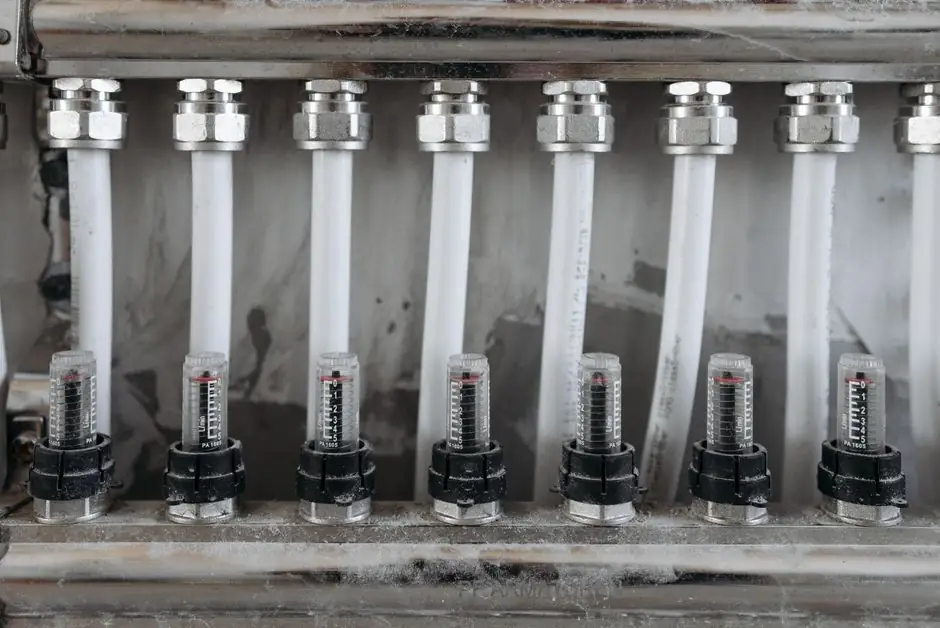
Select balancing valves by pressure class, flow range, fluid chemistry, and control accuracy; verify sizing with the actual system curve before ordering.
Manage a component EOL notice by mapping criticality, buying the remaining 20-year need, qualifying replacements, and funding retirement before the notice window closes.

Choose the sensing element for physical temperature response and the transmitter for excitation, compensation, isolation, and standardized process output.
Machine tool demand in 2026 is led by automotive production, while aerospace offers premium precision growth and energy equipment expands fastest.
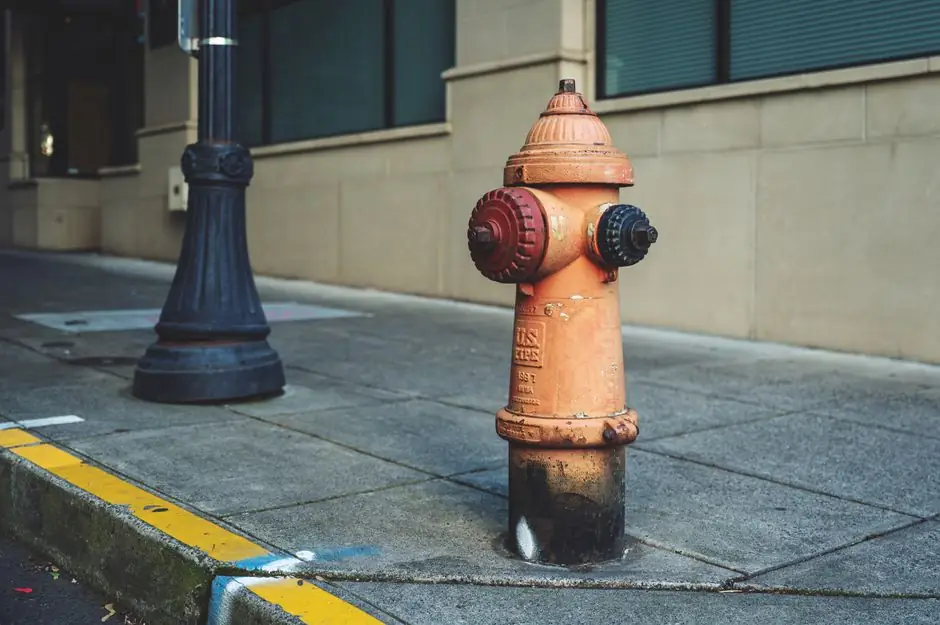
Choose ductile iron for exposed, impact-prone, high-pressure fire hydrants; use grey cast iron only where its wear resistance and lower cost outweigh fracture and corrosion risk.

Crossed-roller rotary axes deliver greater stiffness and load capacity than angular-contact ball splines, while ball splines suit faster, lower-load motion.

Eighty-five percent OEE is a useful discrete-manufacturing benchmark, not a universal certification of world-class performance.
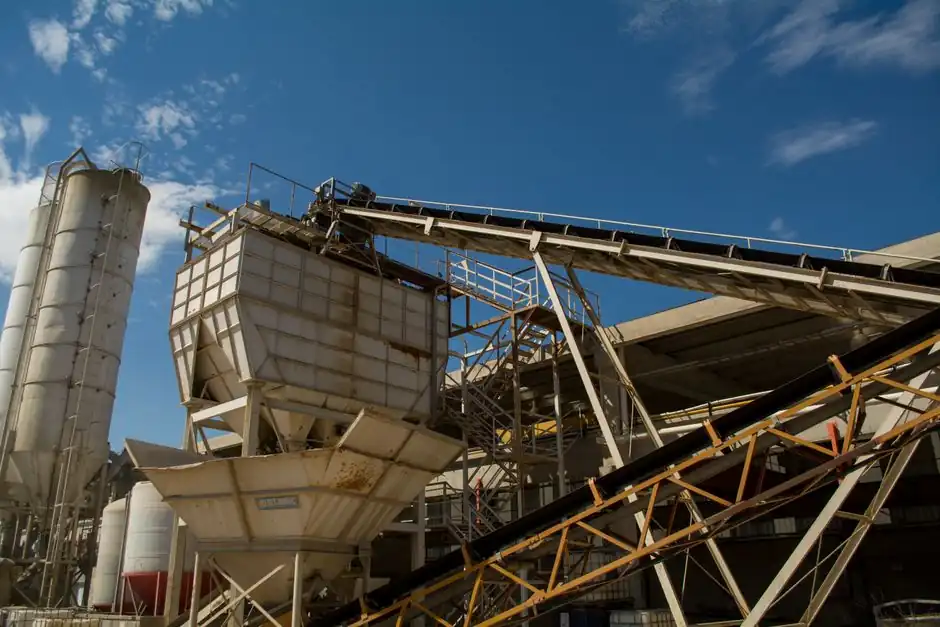
Choose a chain conveyor for hot, heavy, impact-prone material when positive drive and metal load paths matter; use a heat-rated belt for lighter, smoother transfers.
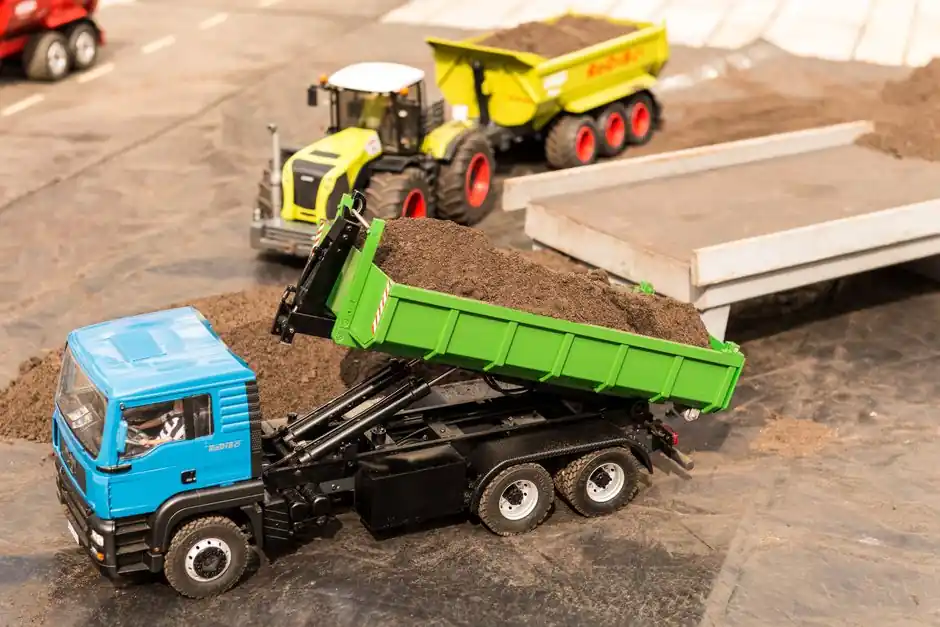
Choose UHMWPE for abrasive rock hauling, but price impact tolerance, liner thickness, and replacement labor. One owner estimated that dump-trailer liners might cost around $3,000–$4,000 depending on the liner selected.
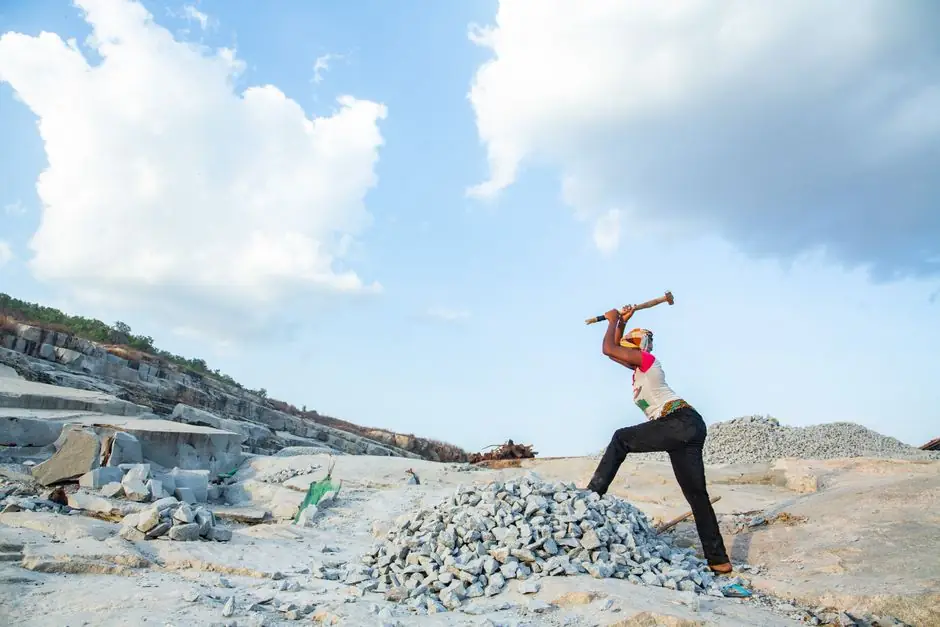
A 30 J demolition hammer fits medium-to-heavy breaking work, while 60 J suits reinforced concrete and foundations. Match energy, weight, and chisel system to the task.
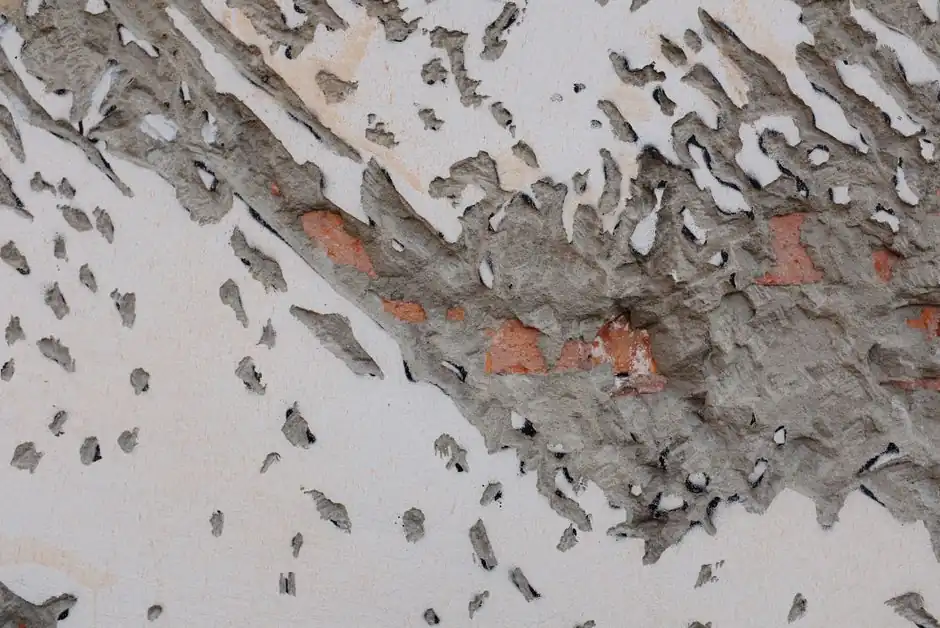
Cellulose fiber favors cohesive, low-impact mixes and plastic-shrinkage control, while polypropylene microfibers provide higher heat resistance and stronger crack-control options.
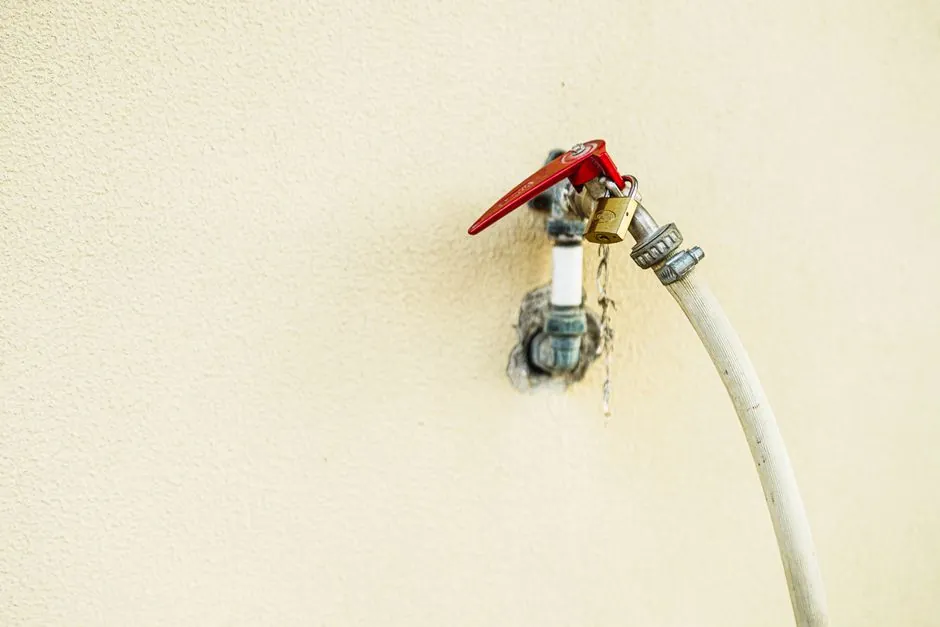
Select a water-service safety relief valve by set pressure, relieving capacity, fluid properties, installation limits, and code route; do not use an irrigation pressure regulator as overpressure protection.
Photoelectric sensors divide into through-beam, retro-reflective, diffuse-reflective, and background-suppression types, with range, alignment, and target contrast determining selection.
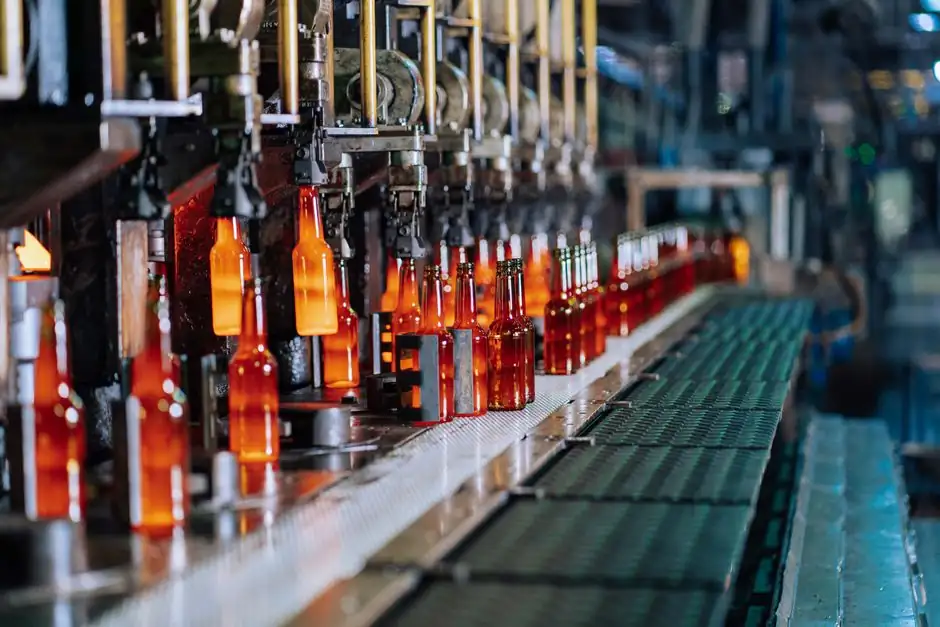
Build a product-line supply risk heat map on a 5×5 grid, score likelihood and impact, set appetite bands, and track residual risk quarterly.
Liquid baths offer reported uniformity of 0.005–0.02°C, while dry blocks are often chosen when portability matters more than the last few hundredths of a degree.
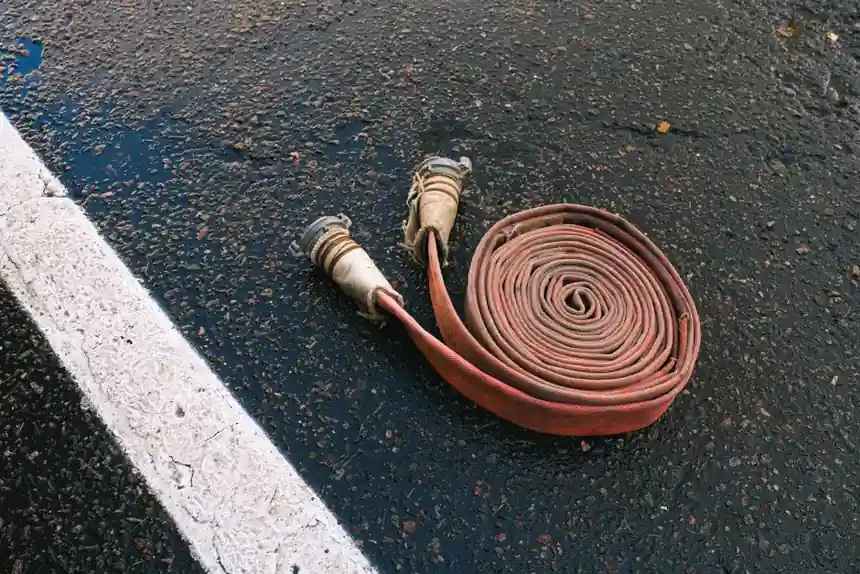
Specify at least 300 µm fusion-bonded epoxy for buried hydrant steel, with blast cleaning, holiday tests, holiday-free coverage and documented adhesion.
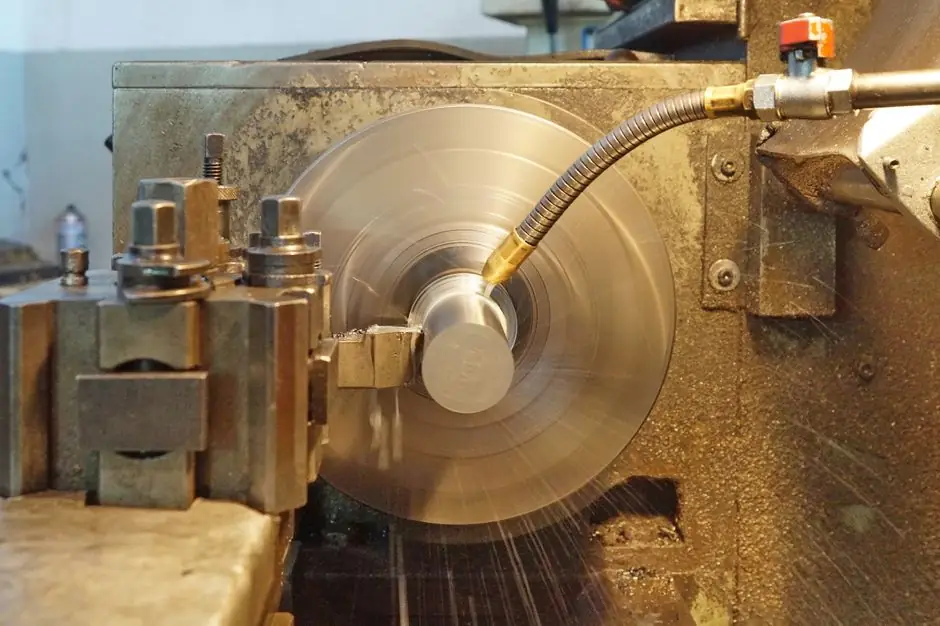
Choose a ball screw spline when one shaft must combine rotation, translation, or spiral motion; use separate ball screw and ball spline axes when independent control is required.
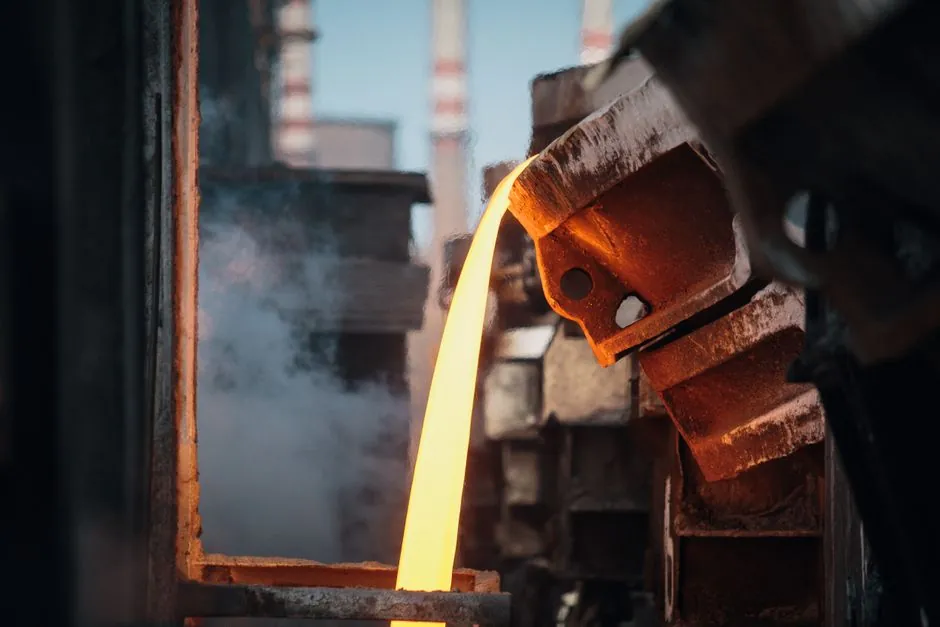
Choose ductile iron for water systems through PN16–PN25, but specify cast steel above 1.6 MPa or for steam, hydrocarbons, high temperature, and weld repair.
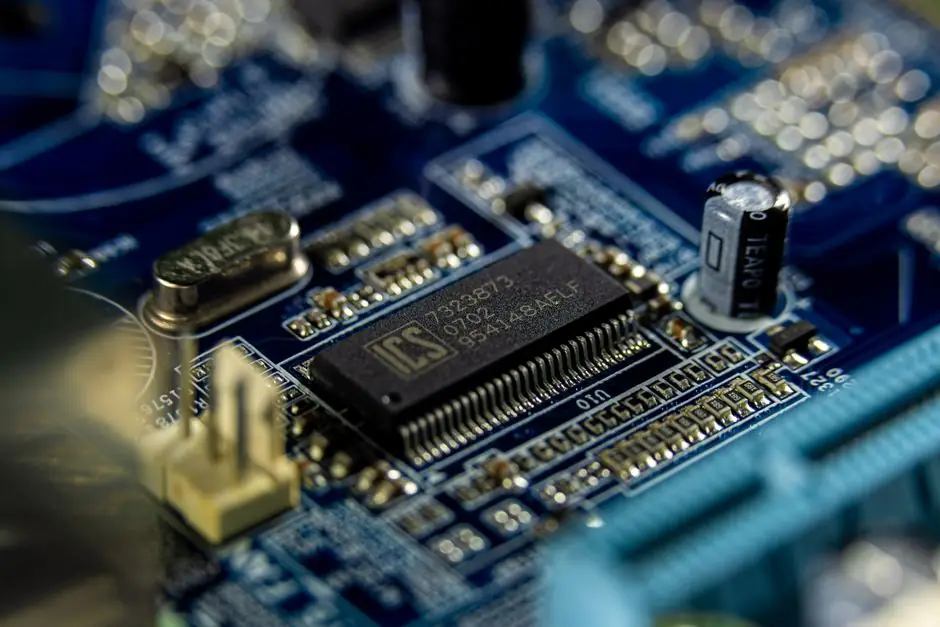
IPC-HERMES-9852 enables machine-to-machine communication for PCB assembly lines, while IPC-CFX (IPC-2591) provides a standardized vertical machine connection to higher-level IT systems.
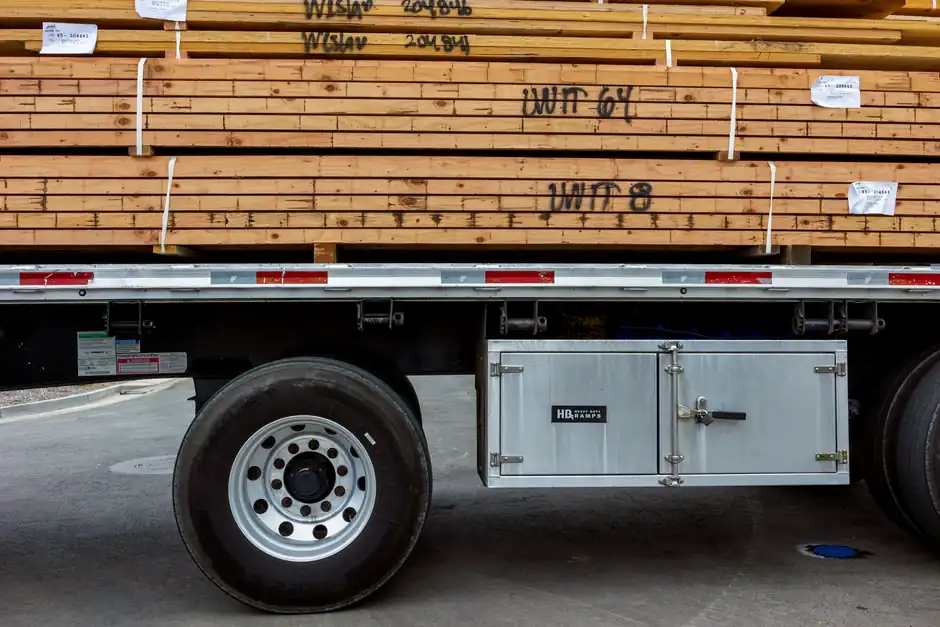
Polyethylene liners are suitable for hauling abrasive materials such as gravel and rocks and are known for resistance to abrasion, impact, and corrosion.
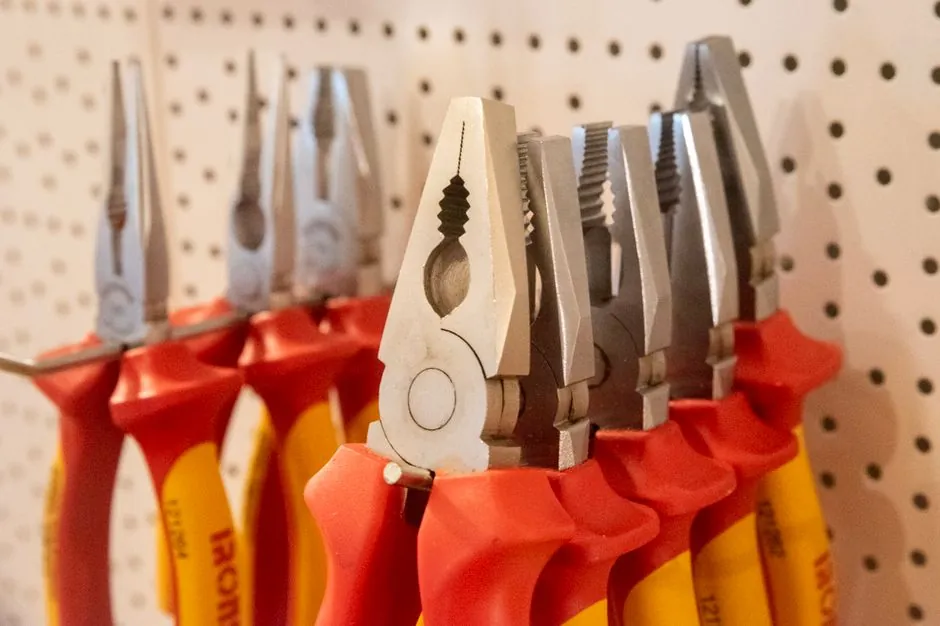
Demolition hammer grips use rubber, polymers, and elastomer isolation to reduce handle vibration, improving comfort without changing impact energy.

Die-casting filling time must be selected and controlled together with pressure, speed, and temperature because each process factor affects and restricts the others.
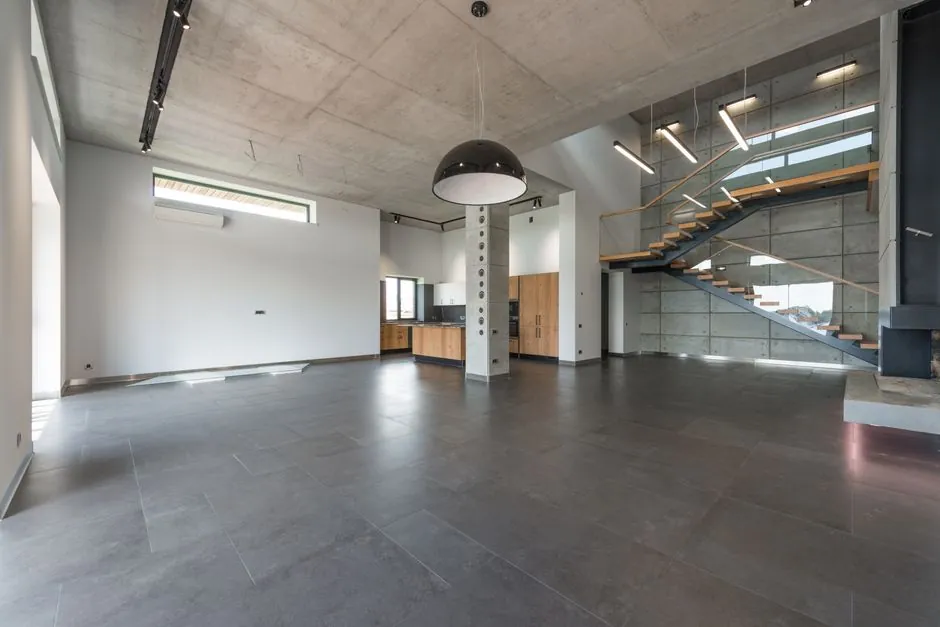
Choose NRC for in-room echo control and CAC for sound privacy through a shared plenum. For rooms needing both, specify a tested ceiling system, not one product number alone.
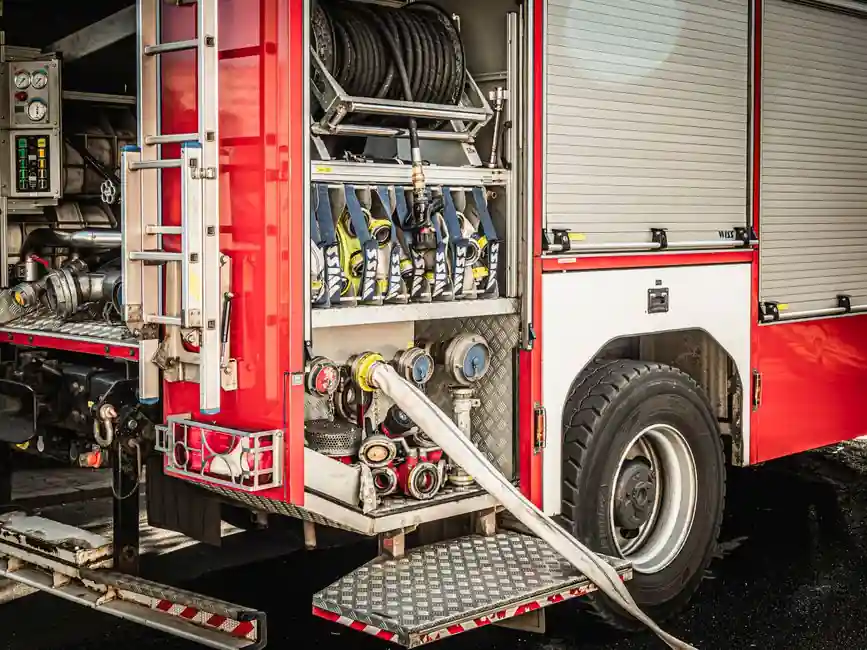
Select a safety relief valve by sizing it for the worst credible relief case, then verify media compatibility, back pressure, installation constraints, and test access.
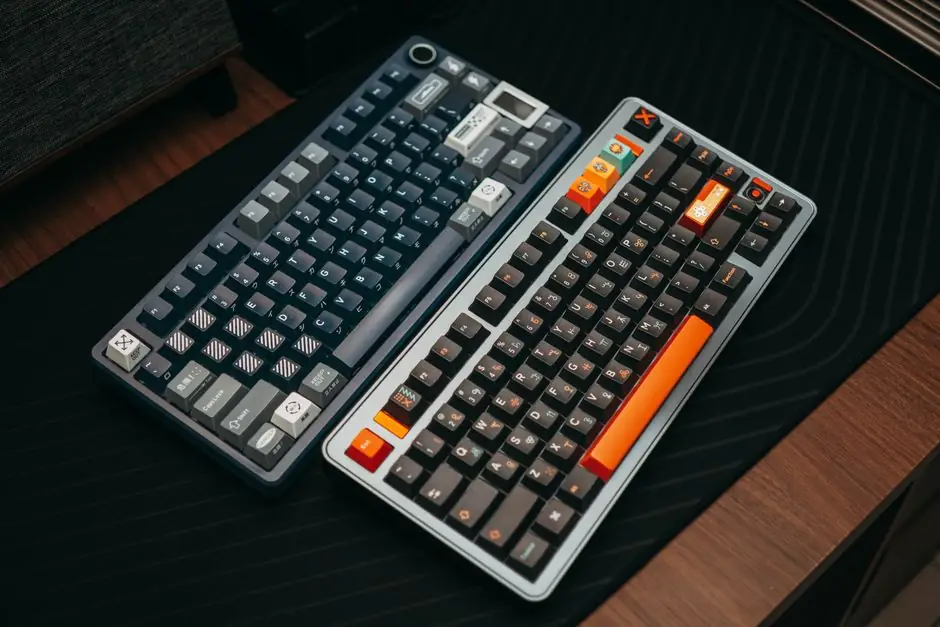
Switch-disconnectors combine visible isolation with assigned switching duty. Selection depends on voltage, current, poles, breaking capacity, enclosure, and application.
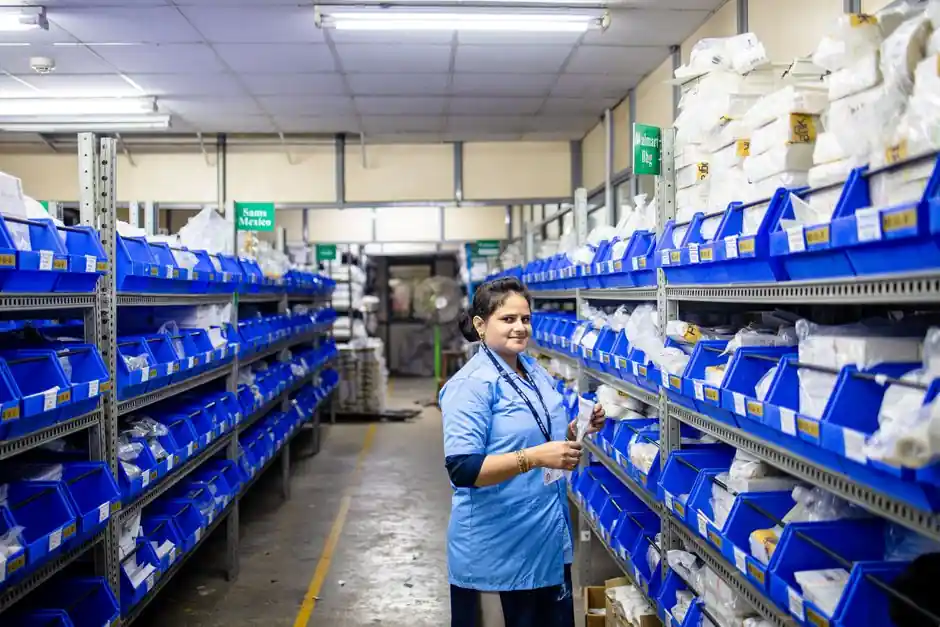
Plants should stock automation spares by criticality, replacement lead time, and downtime impact, not by a blanket service level or past stockouts.

Choose a telecentric lens when size or position must remain accurate across depth; use a standard lens for single-plane measurements where cost and compactness dominate.
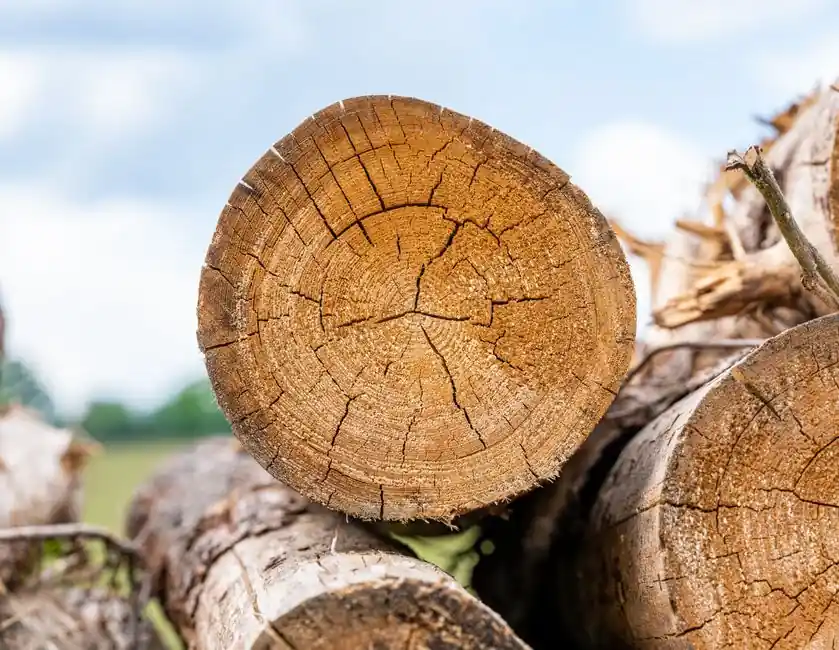
Framing lumber reached $499.50 per 1,000 board feet on November 12, 2026, while higher-cost construction indexes show builders must budget around $1,004.40 per MBF.

Fire hydrant bury depth should place the inlet or drainage point below the local frost line, typically with at least 6 inches of additional cover for protected piping.
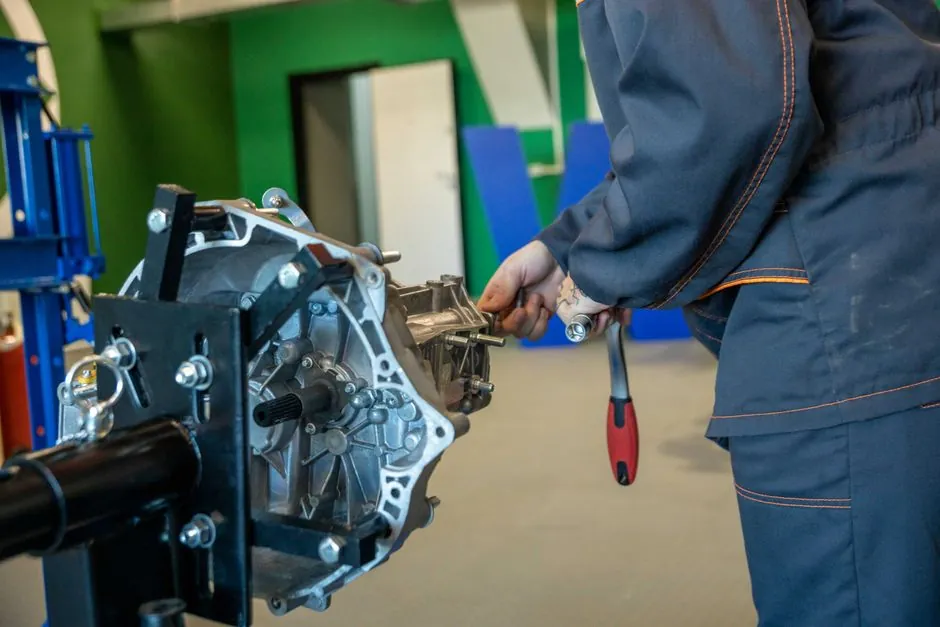
Choose a ball spline for compact linear-plus-rotary motion; use a spline shaft with a separate linear bearing when modularity and replaceable components matter.

Choose dry pressing for simple, high-volume alumina parts, CIP for uniform complex shapes, and ceramic injection molding for small, high-volume precision parts.

IO-Link Wireless supports up to 120 devices with 5 ms communication cycles, making it suitable for mobile, robotic, and difficult-to-wire automation.
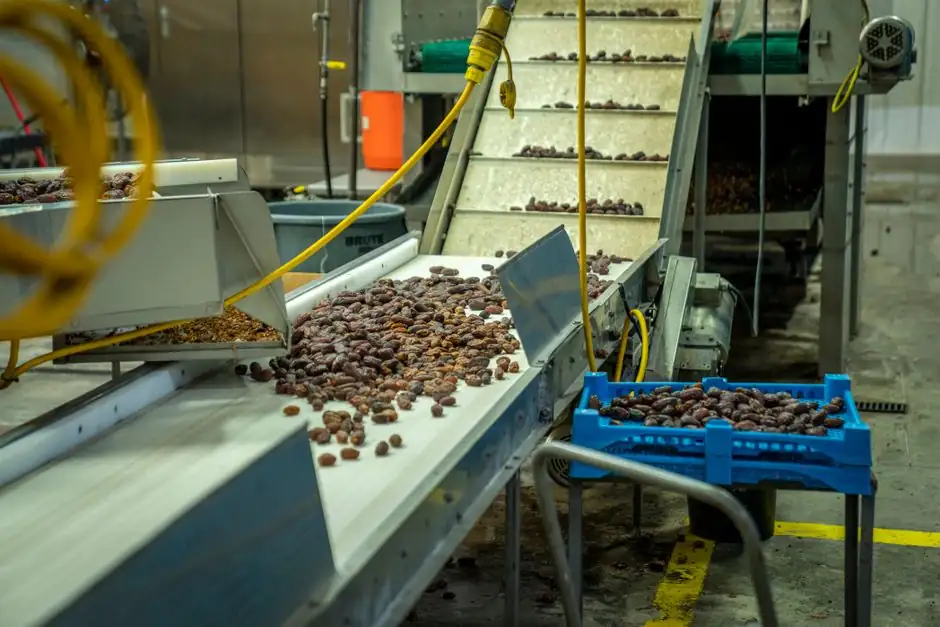
A 30 ft/min chain conveyor is a conservative baseline for stable pallets, but speed must be validated against load composition, pallet orientation, and downstream throughput.
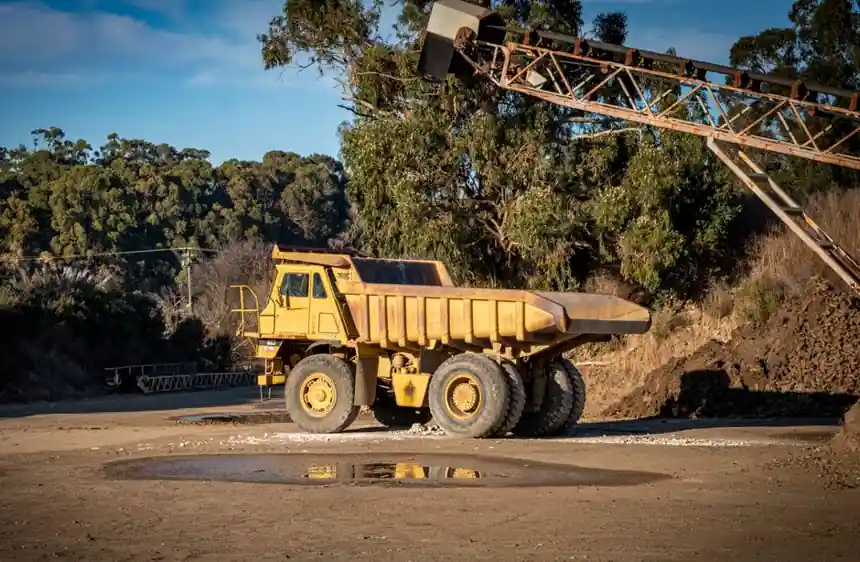
At approximately 45 degrees relative to the pile and truck, a wheel loader operator starts a Y or V loading cycle that follows the material pile and dump truck.
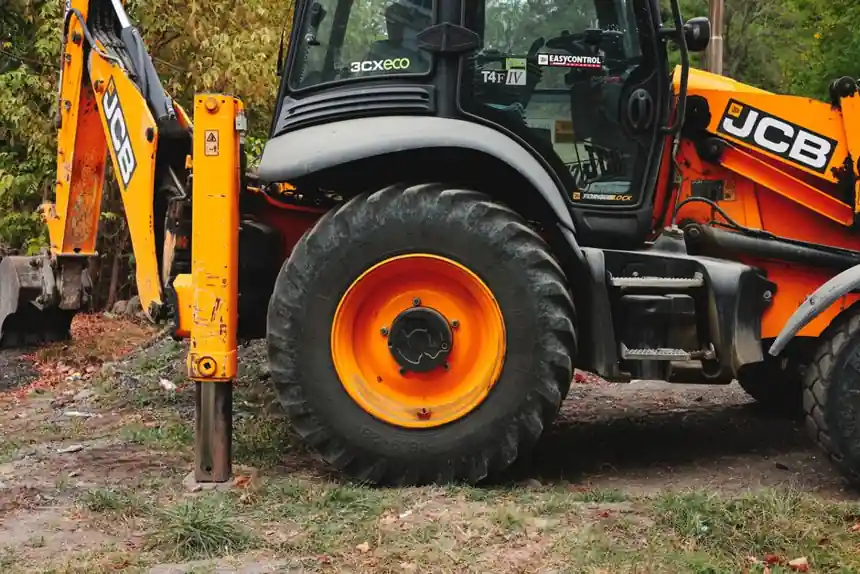
Use a demolition hammer for accessible, smaller boulders; use a hydraulic rock splitter for large, hard, or vibration-sensitive rock after drilling.
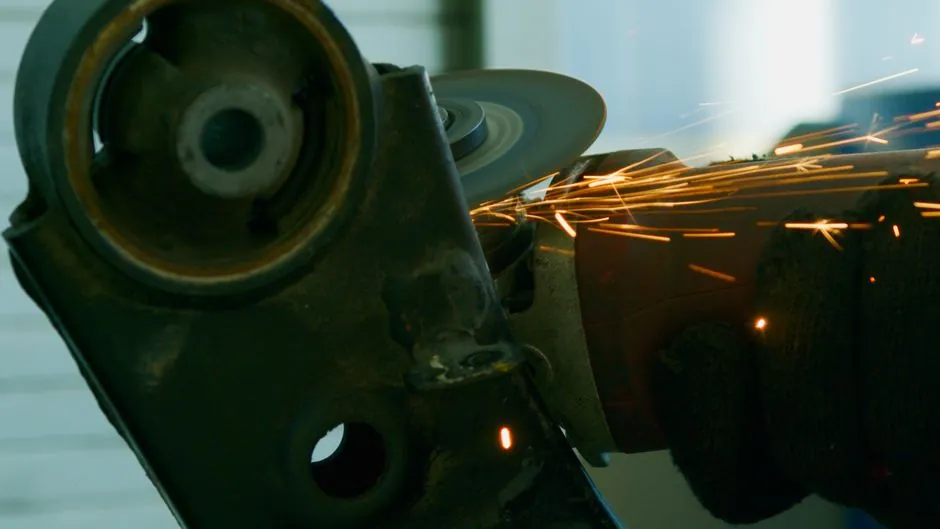
Gray iron normally grinds faster than steel, but graphite loading can make a fettling wheel wear unevenly. Select abrasive grade, bond, grit, and dressing for the casting.
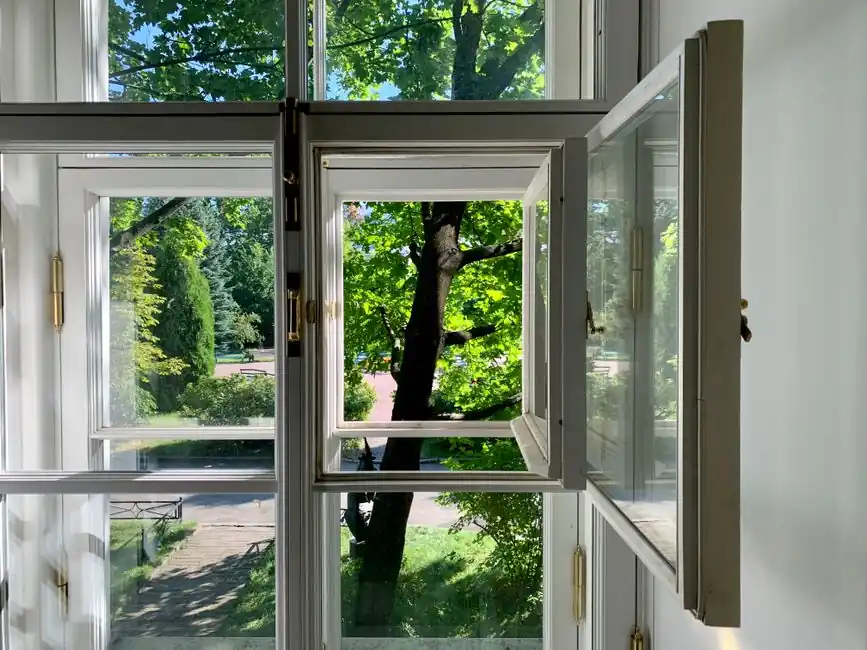
Tilt-and-turn hardware adds a linked tilt mode and full inward swing; casement hardware provides one side-hinged motion, usually outward in US practice.
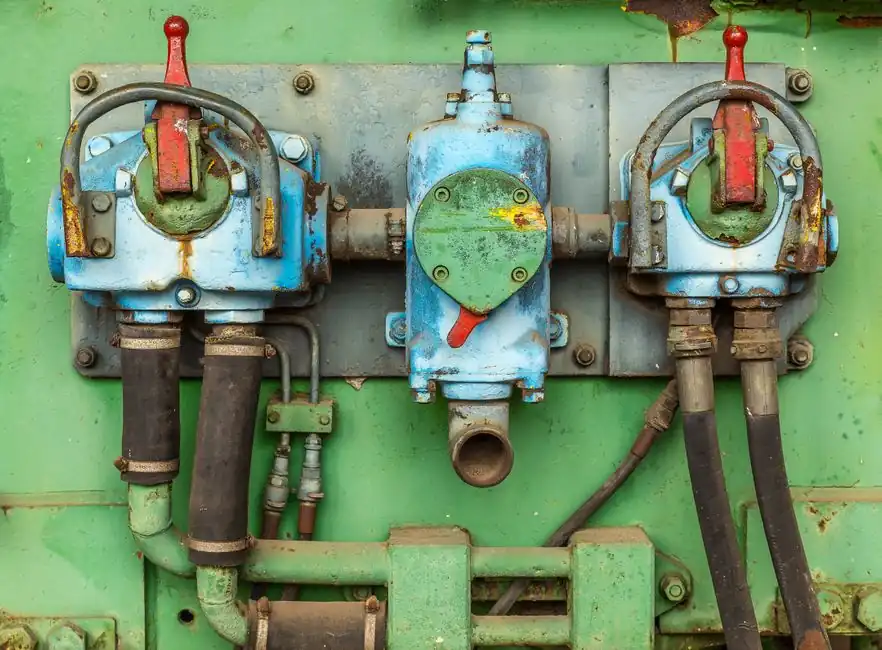
Select balancing valves by design flow, pressure differential, gas compatibility, and actuation method. Fixed orifices suit stable branches; variable orifices suit commissioning.
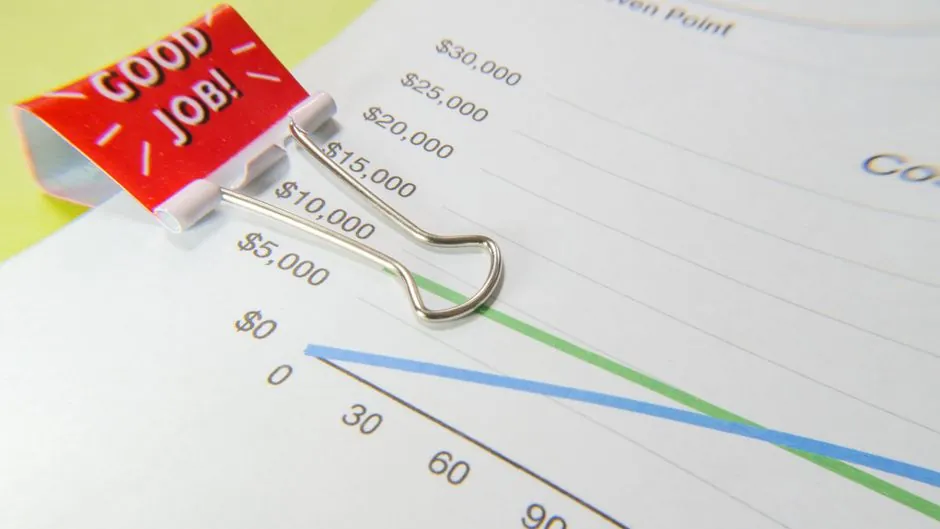
A proximity sensor’s $45 purchase price can understate its five-year TCO, which includes installation, calibration, maintenance, downtime, and replacement.